 Librería Samer Atenea
 Kálamo Books
 Librería Elías (Asturias)
 Librería Kolima (Madrid)
 Librería Proteo (Málaga)
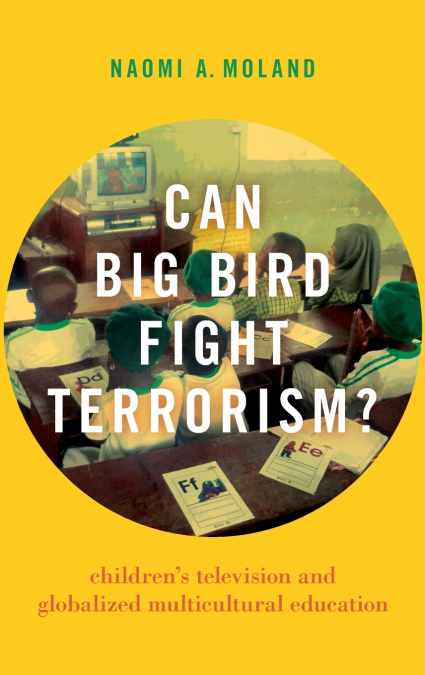
Sesame Street has taught generations of Americans their letters and numbers, and also how to better understand and get along with people of different races, faiths, ethnicities, and temperaments. But the show has a global reach as well, with more than thirty co-productions of Sesame Street that are viewed in over 150 countries. In recent years, the United States Agency for International Development (USAID) has provided funding to the New York-based Sesame Workshop to create international versions of Sesame Street. Many of these programs teach children to respect diversity and tolerate others, which some hope will ultimately help to build peace in conflict-affected societies. In fact, the U.S. government has funded local versions of the show in several countries enmeshed in conflict, including Afghanistan, Kosovo, Pakistan, Jordan, and Nigeria. Can Big Bird Fight Terrorism? takes an in-depth look at the Nigerian version, Sesame Square, which began airing in 2011. In addition to teaching preschool-level academic skills, Sesame Square seeks to promote peaceful coexistence-a daunting task in Nigeria, where escalating ethno-religious tensions and terrorism threaten to fracture the nation. After a year of interviewing Sesame creators, observing their production processes, conducting episode analysis, and talking to local educators who use the program in classrooms, Naomi Moland found that this child-focused use of soft power raised complex questions about how multicultural ideals translate into different settings. In Nigeria, where segregation, state fragility, and escalating conflict raise the stakes of peacebuilding efforts, multicultural education may be ineffective at best, and possibly even divisive. This book offers rare insights into the complexities, challenges, and dilemmas inherent in soft power attempts to teach theideals of diversity and tolerance in countries suffering from internal conflicts.