 Librería Samer Atenea
 Kálamo Books
 Librería Elías (Asturias)
 Librería Kolima (Madrid)
 Librería Proteo (Málaga)
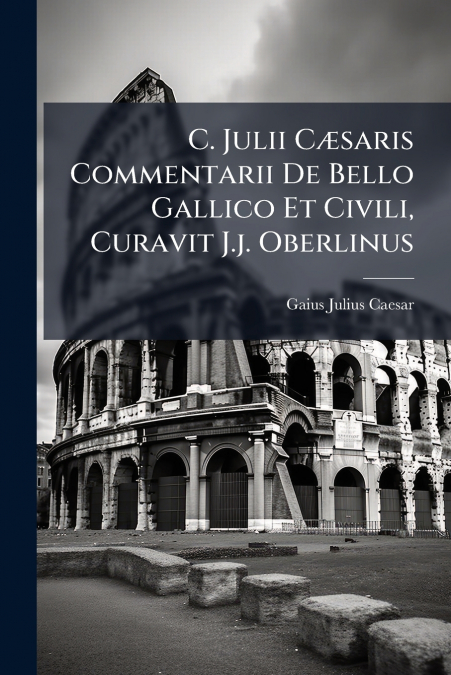
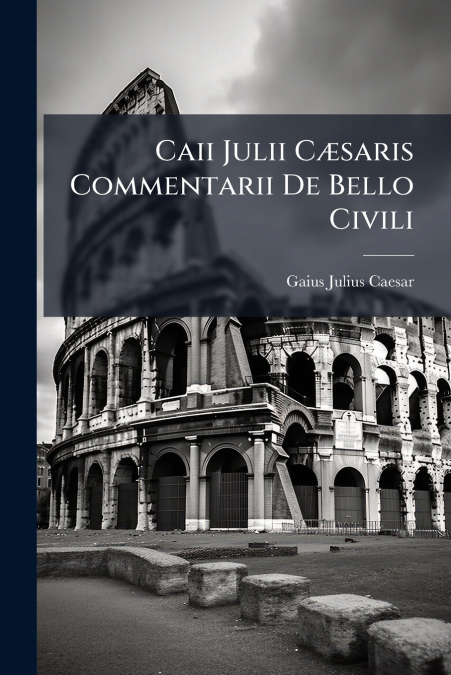
Caii Julii Caesaris Commentarii De Bello Civili, commonly known as The Civil War, is a historical account written by Julius Caesar detailing the events of the Roman Civil War, which took place between 49 and 45 BC. This primary source offers invaluable insights into the political and military strategies employed during this pivotal period of Roman history. Caesar’s narrative provides a first-hand perspective on his conflicts with Pompey and the Roman Senate, shedding light on the power struggles and societal tensions that ultimately led to the fall of the Roman Republic. Written in clear and concise Latin, this commentary not only serves as a historical document but also as a piece of significant literary value. Its enduring appeal lies in its ability to transport readers back to ancient Rome, allowing them to witness the unfolding drama of one of history’s most transformative conflicts. Students of history, military strategists, and enthusiasts of classical literature alike will find this work to be an engaging and essential resource.This work has been selected by scholars as being culturally important, and is part of the knowledge base of civilization as we know it. This work was reproduced from the original artifact, and remains as true to the original work as possible. Therefore, you will see the original copyright references, library stamps (as most of these works have been housed in our most important libraries around the world), and other notations in the work.This work is in the public domain in the United States of America, and possibly other nations. Within the United States, you may freely copy and distribute this work, as no entity (individual or corporate) has a copyright on the body of the work.As a reproduction of a historical artifact, this work may contain missing or blurred pages, poor pictures, errant marks, etc. Scholars believe, and we concur, that this work is important enough to be preserved, reproduced, and made generally available to the public. We appreciate your support of the preservation process, and thank you for being an important part of keeping this knowledge alive and relevant.