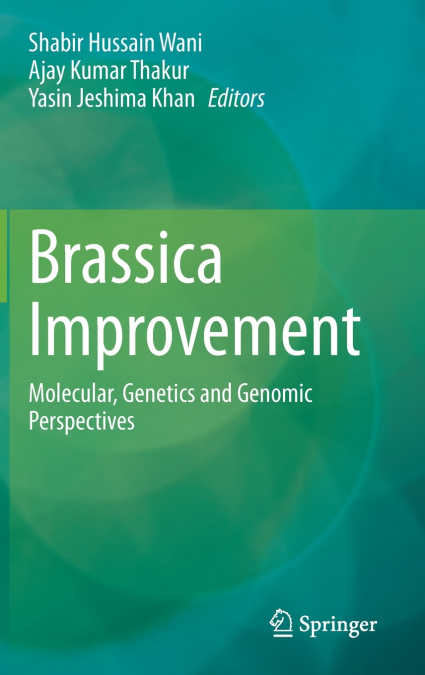

Brassica Improvement

Brassica Improvement


208,61 €
IVA incluido
Consulta disponibilidad
Editorial:
Springer Nature B.V.
Año de edición:
2020
Materia
Agricultura y explotación agropecuaria
ISBN:
9783030346935

Selecciona una librería:

  • Librería Samer Atenea
  • Librería Aciertas (Toledo)
  • Kálamo Books
  • Librería Perelló (Valencia)
  • Librería Elías (Asturias)
  • Donde los libros
  • Librería Kolima (Madrid)
  • Librería Proteo (Málaga)

Global population is mounting at an alarming stride to surpass 9.3 billion by 2050, whereas simultaneously the agricultural productivity is gravely affected by climate changes resulting in increased biotic and abiotic stresses. The genus Brassica belongs to the mustard family whose members are known as cruciferous vegetables, cabbages or mustard plants. Rapeseed-mustard is world’s third most important source of edible oil after soybean and oil palm. It has worldwide acceptance owing to its rare combination of health promoting factors. It has very low levels of saturated fatty acids which make it the healthiest edible oil that is commonly available. Apart from this, it is rich in antioxidants by virtue of tocopherols and phytosterols presence in the oil. The high omega 3 content reduces the risk of atherosclerosis/heart attack. Conventional breeding methods have met with limited success in Brassica because yield and stress resilience are polygenic traits and are greatly influenced by environment. Therefore, it is imperative to accelerate the efforts to unravel the biochemical, physiological and molecular mechanisms underlying yield, quality and tolerance towards biotic and abiotic stresses in Brassica. To exploit its fullest potential, systematic efforts are needed to unlock the genetic information for new germplasms that tolerate initial and terminal state heat coupled with moisture stress. For instance, wild relatives may be exploited in developing introgressed and resynthesized lines with desirable attributes. Exploitation of heterosis is another important area which can be achieved by introducing transgenics to raise stable CMS lines. Doubled haploid breeding and marker assisted selection should be employed along with conventional breeding. Breeding programmes aim at enhancing resource use efficiency, especially nutrient and water as well as adoption to aberrant environmental changes should also be considered. Biotechnological interventions are essential for altering the biosynthetic pathways for developing high oleic and low linolenic lines. Accordingly, tools such as microspore and ovule culture, embryo rescue, isolation of trait specific genes especially for aphid, Sclerotinia and alternaria blight resistance, etc. along with identification of potential lines based on genetic diversity can assist ongoing breeding programmes. In this book, we highlight the recent molecular, genetic and genomic interventions made to achieve crop improvement in terms of yield increase, quality and stress tolerance in Brassica, with a special emphasis in Rapeseed-mustard.
Artículos relacionados

  • Australia and the Origins of Agriculture
    Rupert Gerritsen
    In this work the author explores issues of the origin of agriculture in Australia such as the “failure” of agriculture to develop indigenously, and its “failure” to diffuse into Australia, despite contact with Indonesian (Macassan) agriculturalists or New Guinean horticulturalists. Although not always explicitly stated or recognised, significant differences probably exist in th...
    Disponible

    106,78 €

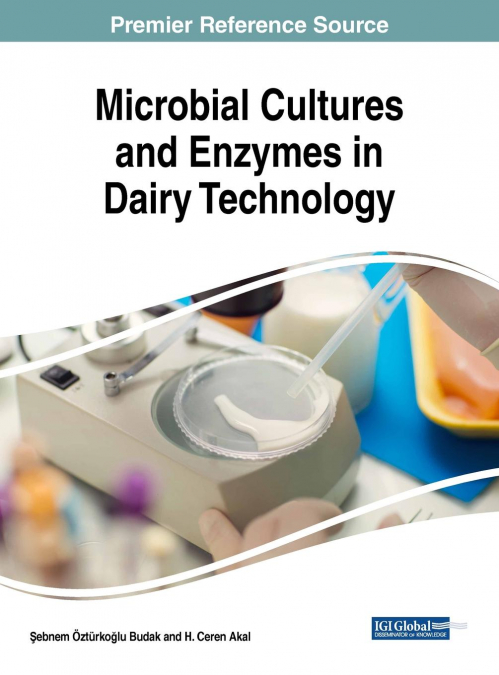
  • Microbial Cultures and Enzymes in Dairy Technology
    Microorganisms are an integral part of the fermentation process in food products and help to improve sensory and textural properties of the products. As such, it is vital to explore the current uses of microorganisms in the dairy industry. Microbial Cultures and Enzymes in Dairy Technology is a critical scholarly resource that explores multidisciplinary uses of cultures and enz...
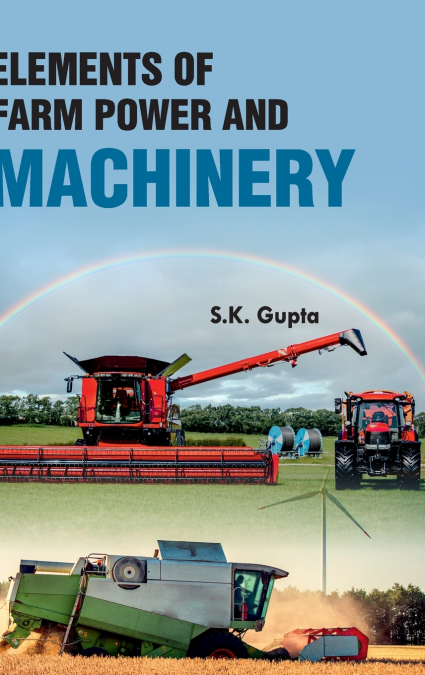
  • Elements of Farm Power and Machinery
    S K Gupta
    Farm mechanization has played a vital role in increasing production, productivity and profitability of farm enterprise. It is mainly attributed to timeliness in farm operations and reduction in application of various inputs through their precise metering, application and higher use efficiencies. Being one of the most important elements of modern agriculture, farm power and mach...
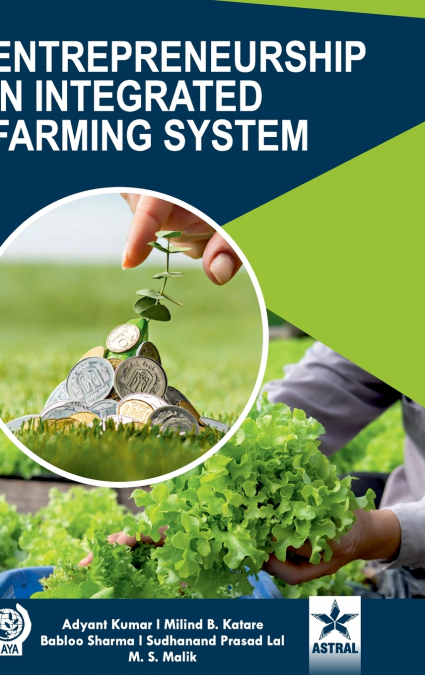
  • Entrepreneurship in Integrated Farming System
    The book deals with the essential information regarding entrepreneurial development of integrated farming system models throughout the country, where agriculture and allied components are extensively presented under the same umbrella in a sustainable way. This book will be of immense use in imparting knowledge on diversified and suitable IFS models based research findings and p...
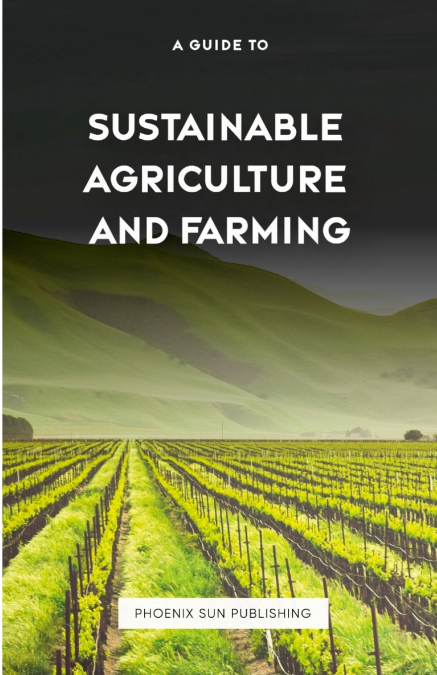
  • The Guide to Sustainable Agriculture and Farming
    PS Publishing
    'The Guide to Sustainable Agriculture and Farming' is an essential resource for anyone interested in sustainable and regenerative farming practices. From understanding the environmental and social impacts of conventional agriculture to exploring innovative solutions for sustainable farming, this book offers a comprehensive and inspiring guide to creating a healthier and more su...
    Disponible

    14,06 €

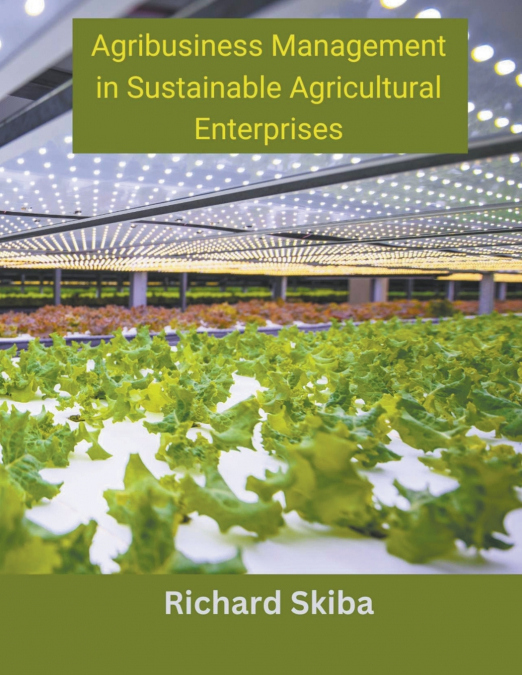
  • Agribusiness Management in Sustainable Agricultural Enterprises
    Richard Skiba
    This book provides a comprehensive overview of sustainable agriculture practices and strategies aimed at improving land use, implementing renewable energy and recycling systems, managing climate risks, developing workplace policies for sustainability, and applying effective agribusiness management practices.Part 1 introduces various approaches to sustainable agriculture, includ...
    Disponible

    30,41 €