
Inicio > Economía, finanzas, empresa y gestión > Economía > Macroeconomía > Economía monetaria > Brasilien - Entwicklung durch wechselkursbasierte Stabilisierung
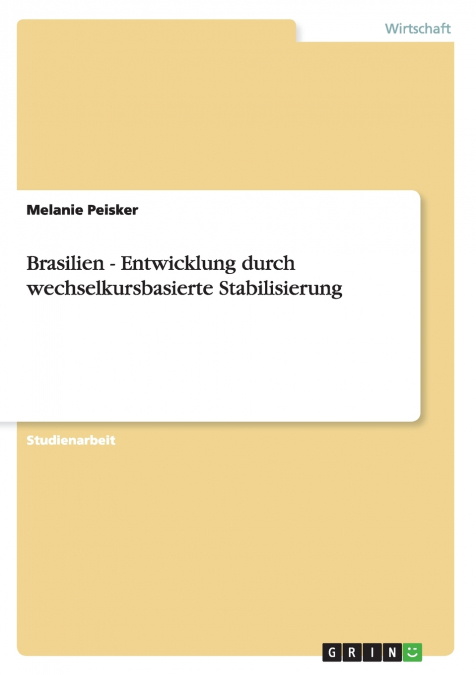
Brasilien - Entwicklung durch wechselkursbasierte Stabilisierung

Brasilien - Entwicklung durch wechselkursbasierte Stabilisierung

Melanie Peisker

26,82 €
IVA incluido
Disponible
Editorial:
GRIN Verlag
Año de edición:
2007
Materia
Economía monetaria
ISBN:
9783638817998
26,82 €
IVA incluido
Disponible

Selecciona una librería:

  • Librería Samer Atenea
  • Librería Aciertas (Toledo)
  • Kálamo Books
  • Librería Perelló (Valencia)
  • Librería Elías (Asturias)
  • Donde los libros
  • Librería Kolima (Madrid)
  • Librería Proteo (Málaga)

Studienarbeit aus dem Jahr 2004 im Fachbereich VWL - Geldtheorie, Geldpolitik, Note: 1,3, Fachhochschule für Wirtschaft Berlin, Veranstaltung: Internationale Währungs- und Finanzbeziehungen, Sprache: Deutsch, Abstract: Die vorliegende Arbeit befasst sich mit der Problemstellung der brasilianischen Entwicklung durch wechselkurs-basierte Stabilisierung. Meine Argumentation stütze ich im Wesentlichen auf die Texte von Barbara Fritz. Der Fokus dieser Arbeit liegt auf der Infragestellung des Entwicklungskonzeptes Plano Real aufgrund der spezifischen Marktkonstellation, deren Konsequenzen und der anhaltenden strukturellen Krise. Diese Analyse werde ich im Teil 3 darlegen. Der 2. Teil beschäftigt sich kurz mit der gelungenen Stabilisierung Brasiliens in der Weise, dass ich die grundlegenden Erfolge erwähne, verbunden mit einer pro/contra Gegenüberstellung, um dann zum Kern der Hausarbeit hinzuführen. Zunächst werde ich einen Überblick über die Charakteristik Brasiliens geben. Brasilien ist eine späte Demokratie, lange Zeit durch Protektionismus und Importsubstitution vom Weltmarkt abgeschnitten. Jahrelange schleichende Inflation, die letztlich in eine Hyperinflation mündete, kennzeichnete die achtgrößte Ökonomie der Welt. Die Konsequenz daraus war eine konstant ansteigende Verschuldung des Landes bei den internationalen Gläubigern - auch bedingt durch die Schuldenkrise in den 1980er Jahren.Diverse orthodoxe Stabilisierungsprogramme, d.h. die Verwendung der Geldmenge als nominalen Anker im IMF-Stil versagten als Konzept und mündeten in „die schlimmste aller Welten' - einer Stagflation. Die nachfolgende, von den brasilianischen Ökonomen Arida und Resende initiierte heterodoxe Stabilisierungstheorie beinhaltete zur Verbannung des Inflationsgedächtnisses z.B. einen Lohn-Preisstopp, die Geldmenge M, oder die Verwendung eines currency peg als nominalen Anker. Die an eine Bindung des Wechselkurses gestellten Anforderungen für die brasilianische Schuldnerökonomie waren enorm

Artículos relacionados

  • The Principles Governing Wealth & Finance
    MARVEN BILLS
    Many people want to improve their well-being, happiness, and opportunities by managing their wealth and finances effectively. However, this is not an easy task, as it requires knowledge, skills, and discipline. There are some basic guidelines that can help us achieve our financial goals, increase our income, save and invest wisely, and use our resources for good purposes. These...
    Disponible

    32,29 €

  • American Default
    Sebastian Edwards
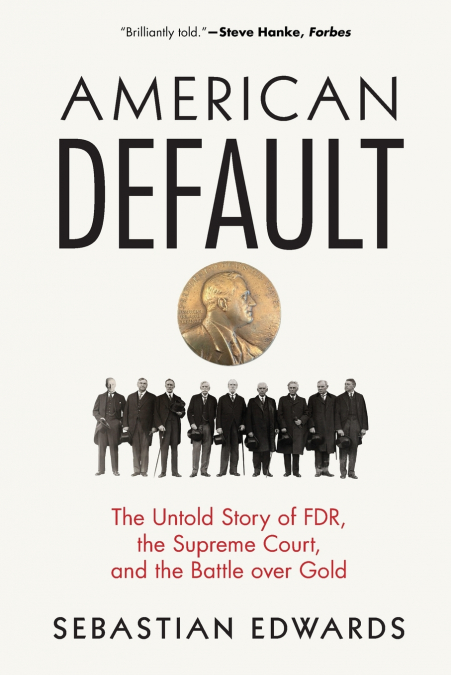
    The untold story of how FDR did the unthinkable to save the American economyThe American economy is strong in large part because nobody believes that America would ever default on its debt. Yet in 1933, Franklin D. Roosevelt did just that, when in a bid to pull the country out of depression, he depreciated the US dollar in relation to gold, effectively annulling all debt contra...
    Disponible

    26,48 €

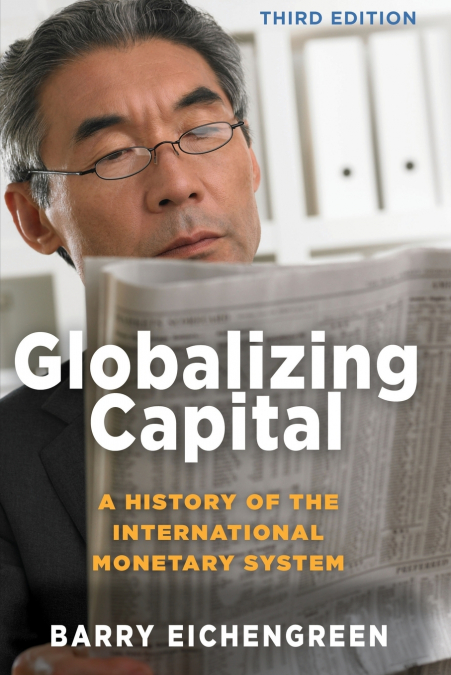
  • Globalizing Capital
    Barry Eichengreen
    Essential reading for understanding the international economy-now thoroughly updatedLucid, accessible, and provocative, and now thoroughly updated to cover recent events that have shaken the global economy, Globalizing Capital is an indispensable account of the past 150 years of international monetary and financial history-from the classical gold standard to today’s post-Bretto...
    Disponible

    43,05 €

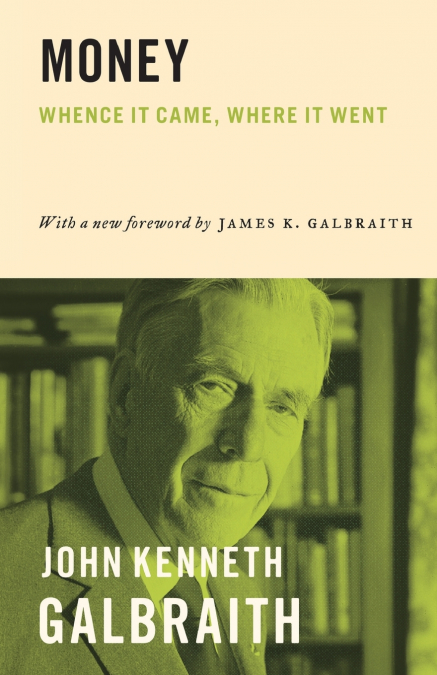
  • Money
    John Kenneth Galbraith
    Money is nothing more than what is commonly exchanged for goods or services, so why has understanding it become so complicated? In Money, renowned economist John Kenneth Galbraith cuts through the confusions surrounding the subject to present a compelling and accessible account of a topic that affects us all. He tells the fascinating story of money, the key factors that shaped ...
    Disponible

    37,12 €

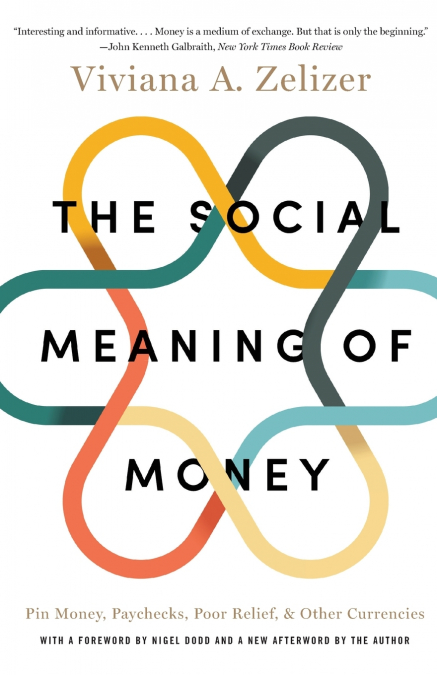
  • The Social Meaning of Money
    Viviana A. Zelizer
    A dollar is a dollar—or so most of us believe. Indeed, it is part of the ideology of our time that money is a single, impersonal instrument that impoverishes social life by reducing relations to cold, hard cash. After all, it’s just money. Or is it? Distinguished social scientist and prize-winning author Viviana Zelizer argues against this conventional wisdom. She shows how peo...
    Disponible

    33,29 €

  • Debt-Free Living
    SREEKUMAR V T / V T SREEKUMAR
    'Debt-Free Living: A Guide to Managing and Eliminating Debt' is a comprehensive resource for anyone looking to take control of their finances and achieve freedom from debt. This book provides practical advice, strategies, and tools for managing debt, creating a budget, saving money, and building wealth.Readers will learn how to assess their financial situation, set realistic go...