
Biological Nitrogen Fixation for Sustainable Agriculture

Biological Nitrogen Fixation for Sustainable Agriculture


209,23 €
IVA incluido
Disponible
Editorial:
Springer Nature B.V.
Año de edición:
2010
Materia
Conservación del medioambiente
ISBN:
9789048141647
209,23 €
IVA incluido
Disponible

Selecciona una librería:

  • Librería Samer Atenea
  • Librería Aciertas (Toledo)
  • Kálamo Books
  • Librería Perelló (Valencia)
  • Librería Elías (Asturias)
  • Donde los libros
  • Librería Kolima (Madrid)
  • Librería Proteo (Málaga)

Chemical fertilizers have had a significant impact on food production in the recent past, and are today an indispensable part of modern agriculture. On the other hand, the oil crisis of the 1970s and the current Middle East problems are constant reminders of the vulnerability of our fossil fuel dependent agriculture. There are vast areas of the developing world where N fertilizers are neither available nor affordable and, in most of these countries, balance of payment problems have resulted in the removal of N fertilizer subsidies. The external costs of environmental degradation and human health far exceed economic concerns. Input efficiency of N fertilizer is one of the lowest and, in turn, contributes substantially to environmental pollution. Nitrate in ground and surface waters and the threat to the stability of the ozone layer from gaseous oxides of nitrogen are major health and environmental concerns. The removal of large quantities of crop produce from the land also depletes soil of its native N reserves. Another concern is the decline in crop yields under continuous use of N fertilizers. These economic, environmental and production considerations dictate that biological alternatives which can augment, and in some cases replace, N fertilizers must be exploited. Long-term sustainability of agricultural systems must rely on the use and effective management of internal resources. The process of biological nitrogen fixation offers and economically attractive and ecologically sound means of reducing external nitrogen input and improving the quality and quantity of internal resources. In this book, we outline sustainability issues that dictate an increased use of biological nitrogen fixation and the constraints on its optimal use in agriculture.
Artículos relacionados

  • Inorganic Pollutants in Wastewater
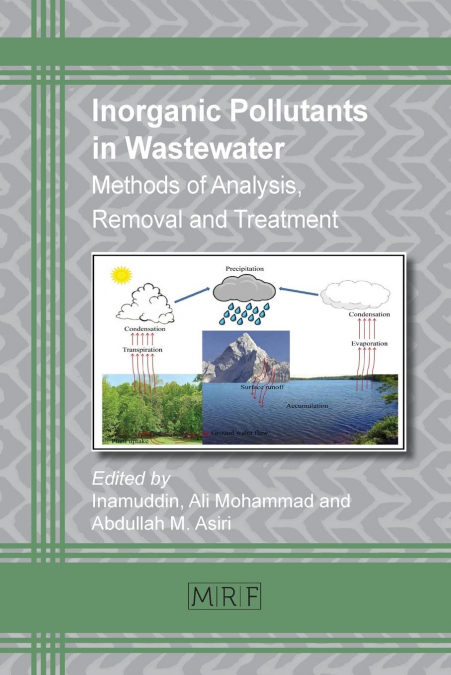
    This book, 'Inorganic Pollutants in Wastewater: Methods of Analysis, Removal and Treatment' extensively investigates the most recent improvements in the area of inorganic pollutants analysis, removal and treatment of wastewater by utilizing different materials such as natural polymers, husks, graphene and carbon nanotube composites, fruit cortex etc. It covers photocata...
    Disponible

    144,10 €

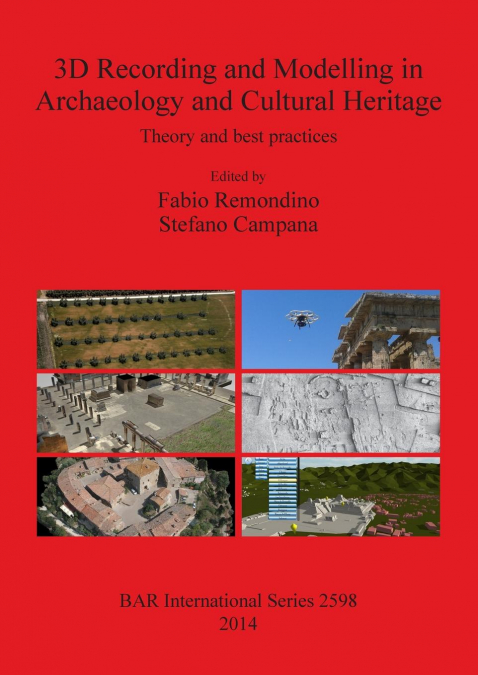
  • 3D Recording and Modelling in Archaeology and Cultural Heritage
    The book derives from the experiences of the authors as lecturers and tutors at different international summer schools on reality-based surveying and 3D modelling in the field of archaeology and cultural heritage. The book is organized in three main sections. The first part aims to introduce and discuss the contribution of geomatic techniques in archaeology and more generally i...
    Disponible

    88,00 €

  • SUN POWER
    NEVILLE WILLIAMS
    ...
    Disponible

    24,27 €

  • Bio-Invaders
    Sarah Johnson
    We are pleased to announce a new series ofenvironmental history readers, suitable for students.Comprising essays selected from our journals,Environment and History and Environmental Values,each inexpensive paperback volume will address animportant theme in environmental history, combiningunderlying theory and specific case-studies. The firstvolume, Bio-invaders, investigates th...
    Disponible

    39,21 €

  • A Rugged Nation
    Marco Armiero
    Landscape, politics and history: the Italian mountains as a crucible of national and natural identity.This book is part of a wider current in environmental history, that explores the links between nature and nation. It uncovers how Italian identity and mountains have constituted one another. It argues that state regimes since unification in 1861 have made mountains into nationa...
  • Indigenous Knowledge
    Sarah Johnson
    The third volume in the reader series, ’Themes in Environmental History’.Comprising essays selected from our journals, Environment and History and Environmental Values, these inexpensive paperbacks address important aspects of environmental history, by means of theoretical essays and case studies. Indigenous Knowledge investigates how indigenous peoples from various cultures in...
    Disponible

    38,83 €