
Inicio > Matemáticas y ciencia > Biologia, ciencias de la vida > Biología reproductiva del lenguado Paralichthys orbignyanus
Biología reproductiva del lenguado Paralichthys orbignyanus

Biología reproductiva del lenguado Paralichthys orbignyanus

Mariela Radonic

120,22 €
IVA incluido
Disponible
Editorial:
KS OmniScriptum Publishing
Año de edición:
2018
Materia
Biologia, ciencias de la vida
ISBN:
9786202431330
120,22 €
IVA incluido
Disponible

Selecciona una librería:

  • Librería Samer Atenea
  • Librería Aciertas (Toledo)
  • Kálamo Books
  • Librería Perelló (Valencia)
  • Librería Elías (Asturias)
  • Donde los libros
  • Librería Kolima (Madrid)
  • Librería Proteo (Málaga)

La manipulación de los parámetros ambientales (fotoperíodo, temperatura) constituye una técnica de uso frecuente para alterar los ritmos reproductivos y lograr desoves exitosos en calidad y cantidad. Tamaño de los tanques, bajo nivel lumínico, buenas condiciones nutricionales y de cultivo, calidad del agua y mínimos niveles de estrés aplicados a reproductores de lenguado han demostrado influir en el comportamiento reproductivo y producción de huevos del lenguado P. orbignyanus. El pico reproductivo para esta especie en cautiverio se centraría entre octubre y febrero (19º-22°C, fotoperíodo de 14 hs luz). En estas condiciones se registraron desoves espontáneos con huevos viables liberados con una frecuencia de 1 a 3 días. Las hembras de lenguado mantenidas en condiciones controladas presentan una fecundidad máxima entre 300.000 y 580.000 huevos totales/hembra/temporada reproductiva. El diámetro del huevo, las tasas de fecundación y de eclosión y la longitud larval son criterios apropiados para determinar la calidad de huevos y de larvas en esta especie.

Artículos relacionados

  • Viral Replication Complexes
    Viruses are obligate intracellular parasites that need to co-opt a living cell’s machinery for replication. At the heart of the viral replication machinery are the nucleic acid polymerases, which are responsible for efficiently copying the viral genome. This process must often be coordinated with other viral processes, including protein translation and viral packaging. The poly...
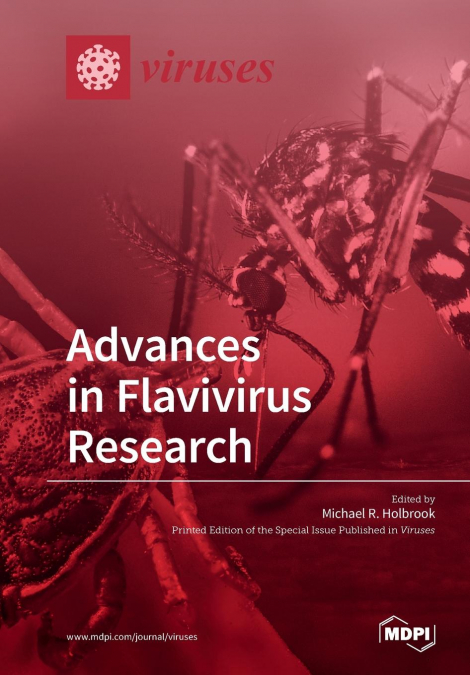
  • Advances in Flavivirus Research
    The flaviviruses are composed almost entirely of arthropod-borne viruses, a subset of which are responsible for millions of cases of human disease each year. Among these viruses are dengue virus—a scourge throughout the tropical regions of Asia and the Americas; yellow fever virus—the “original” hemorrhagic fever virus; and the recently emerged Zika virus. While the flaviviruse...
    Disponible

    51,85 €

  • Brain Asymmetry of Structure and/or Function
    Lesley J. Rogers / Lesley JRogers
    This edited book brings together research reports on the asymmetry of brain function in various species, including humans, dogs, birds, lizards and bees. As shown in a wide range of species, and, as we now know, not solely in humans, the left and right sides of the brain process information in different ways and control different responses or patterns of behaviour. Since this d...
    Disponible

    51,71 €

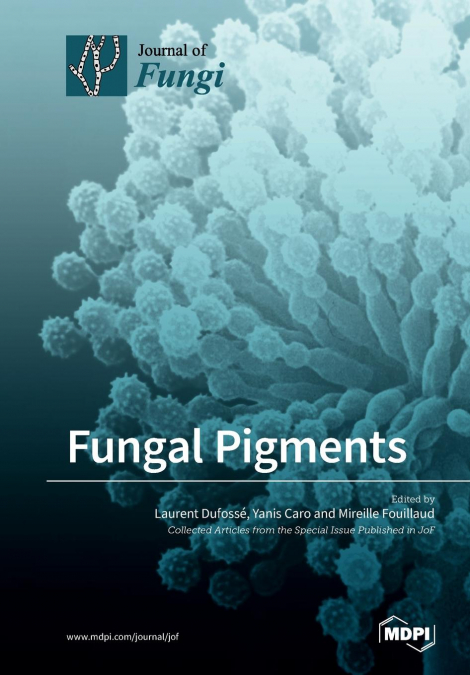
  • Fungal Pigments
    With the impact of globalization in research trends, the search for healthier life styles, the increasing public demand for natural, organic, and ‘clean labelled’ products, as well as the growing global market for natural colorants in economically fast-growing countries all over the world, filamentous fungi started to be investigated as readily available sources of chemically d...
    Disponible

    43,80 €

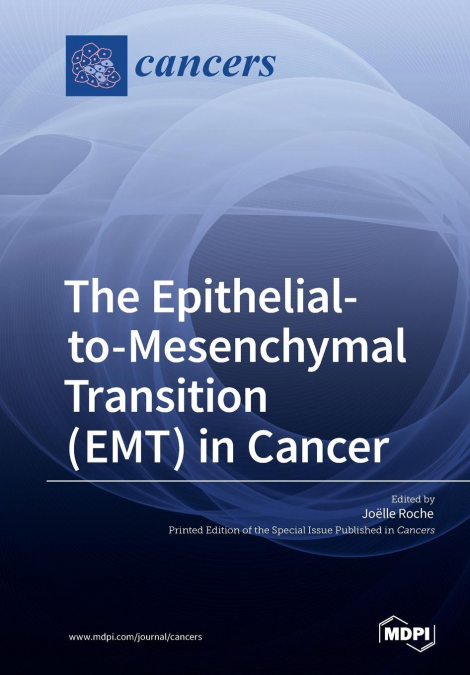
  • The Epithelialto- Mesenchymal Transition ( EMT ) in Cancer
    Joëlle Roche
    The epithelial-to-mesenchymal transition (EMT) is a highly dynamic process with multiple transitional states, by which epithelial cells can convert into a mesenchymal phenotype. This process involves loss of cellular adhesion and cellular polarity, and an improvement in migratory and invasive properties. It occurs during normal embryonic development, tissue regeneration, organ ...
    Disponible

    67,86 €

  • The Biology and Treatment of Myeloid Leukaemias
    There has been an observed decrease in the global mortality from cancer, mostly atributable to improved, particularly early, detection and prevention. For many carcinomas and leukaemias in adults, once the disease has reached a certain stage there are no therapies that are able to erradicate the cancer cells and cure patients. There has been progress in the treatment of acute m...
    Disponible

    51,85 €