 Librería Samer Atenea
 Kálamo Books
 Librería Elías (Asturias)
 Librería Kolima (Madrid)
 Librería Proteo (Málaga)
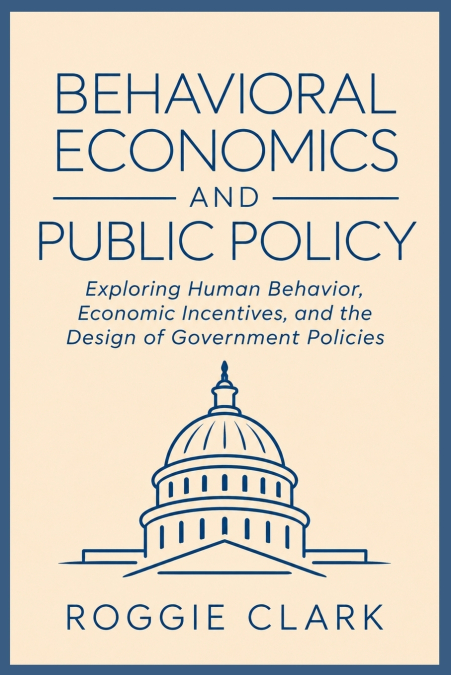
Government policies are designed to influence economic activity, allocate resources, and address challenges affecting individuals, businesses, and society. However, the success of these policies depends on more than economic models, financial incentives, and regulations. It also depends on how people actually think, make decisions, and respond to government programs.Behavioral Economics and Public Policy explores how psychological influences, cognitive biases, and economic incentives interact to shape public policy outcomes. By connecting traditional economic principles with behavioral research, this book explains why individuals sometimes respond to government policies differently from what conventional economic models predict.Readers will discover how behavioral economics contributes to policy design through choice architecture, nudges, default options, simplified procedures, and improved communication. The book also examines how present bias, limited attention, social norms, and perceptions of risk influence participation in public programs and responses to economic policies.Through accessible explanations and practical economic examples, readers will explore applications involving taxation, retirement savings, healthcare, public assistance, consumer protection, and government regulation. The book also addresses economic welfare, policy evaluation, ethical considerations, and the limitations of behavioral interventions.Designed for students, educators, policymakers, and readers interested in economics, this guide provides an informative introduction to the relationship between human behavior and public policy.