
Inicio > Ciencias de la tierra, geografía, medioambiente, planificación > El medioambiente > Conservación del medioambiente > Beaver Protection, Management, and Utilization in Europe and North America
Beaver Protection, Management, and Utilization in Europe and North America

Beaver Protection, Management, and Utilization in Europe and North America


209,65 €
IVA incluido
Consulta disponibilidad
Editorial:
Springer Nature B.V.
Año de edición:
1999
Materia
Conservación del medioambiente
ISBN:
9780306461217

Selecciona una librería:

  • Librería Samer Atenea
  • Librería Aciertas (Toledo)
  • Kálamo Books
  • Librería Perelló (Valencia)
  • Librería Elías (Asturias)
  • Donde los libros
  • Librería Kolima (Madrid)
  • Librería Proteo (Málaga)

By the end of the 19th century both beaver species had been extirpated from large portions of their native ranges. The global decline in beaver populations was the direct re­ sult of exploitation by humans. Now, at the end of the 20th century, protection, manage­ ment, and reintroduction programs, coupled with a decline in the demand for beaver fur and other products, have allowed beaver populations to increase dramatically. Since bea­ vers actively modify their local environment their activities can conflict with human land use. Because of this, the beaver, once considered a unique and exotic component of wet­ lands, is now often considered a nuisance species. The history, as well as the current status, of beaver populations in Europe and North America provide insight into how con­ servation programs work, and into how humans and wildlife interact. The initial plenary lecture of the Euro-American Mammal Congress (July, 1998) was presented by Dr. Michael L. Rosenzweig, a professor at the University of Arizona. Dr. Rosenzweig discussed how humans have used and continue to use natural resources, in­ cluding wildlife and wildland. He provided evidence indicating that the current model of reservation conservation could not provide a long-term solution to the human-wild­ life/wildland conflict. Dr. Rosenzweig emphasized that what is required is a move away from purely exploitive activities (I would call this exploitive ecology) and the develop­ ment of a reconciliation ecology with wildlife.
Artículos relacionados

  • Inorganic Pollutants in Wastewater
    This book, 'Inorganic Pollutants in Wastewater: Methods of Analysis, Removal and Treatment' extensively investigates the most recent improvements in the area of inorganic pollutants analysis, removal and treatment of wastewater by utilizing different materials such as natural polymers, husks, graphene and carbon nanotube composites, fruit cortex etc. It covers photocata...
    Disponible

    144,10 €

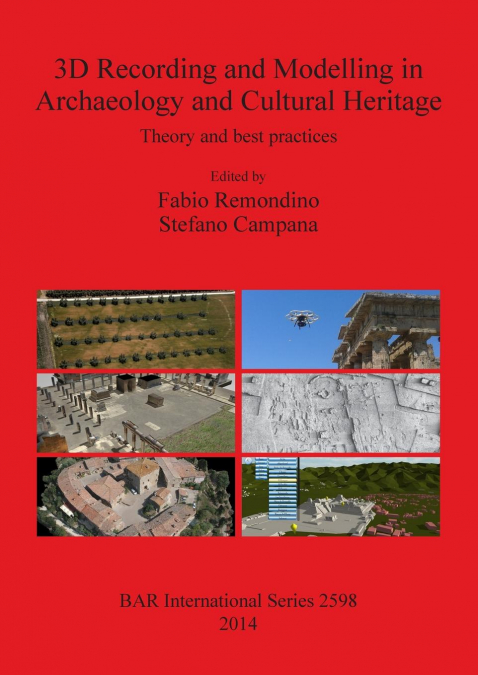
  • 3D Recording and Modelling in Archaeology and Cultural Heritage
    The book derives from the experiences of the authors as lecturers and tutors at different international summer schools on reality-based surveying and 3D modelling in the field of archaeology and cultural heritage. The book is organized in three main sections. The first part aims to introduce and discuss the contribution of geomatic techniques in archaeology and more generally i...
    Disponible

    88,00 €

  • SUN POWER
    NEVILLE WILLIAMS
    ...
    Disponible

    24,27 €

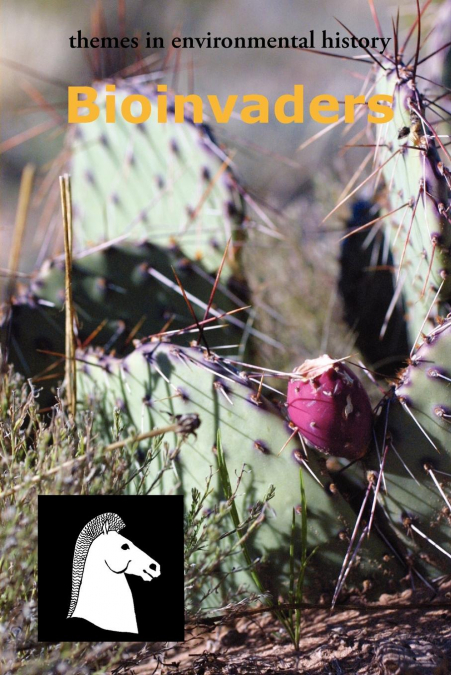
  • Bio-Invaders
    Sarah Johnson
    We are pleased to announce a new series ofenvironmental history readers, suitable for students.Comprising essays selected from our journals,Environment and History and Environmental Values,each inexpensive paperback volume will address animportant theme in environmental history, combiningunderlying theory and specific case-studies. The firstvolume, Bio-invaders, investigates th...
    Disponible

    39,21 €

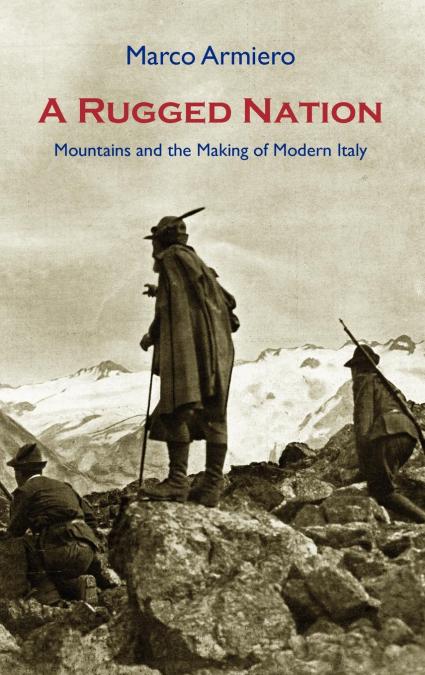
  • A Rugged Nation
    Marco Armiero
    Landscape, politics and history: the Italian mountains as a crucible of national and natural identity.This book is part of a wider current in environmental history, that explores the links between nature and nation. It uncovers how Italian identity and mountains have constituted one another. It argues that state regimes since unification in 1861 have made mountains into nationa...
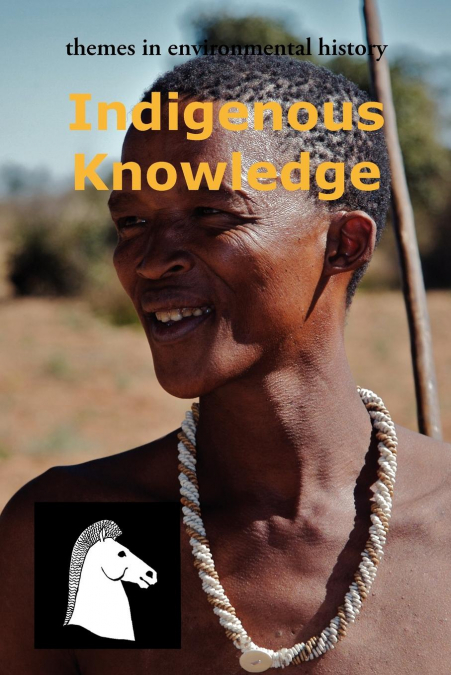
  • Indigenous Knowledge
    Sarah Johnson
    The third volume in the reader series, ’Themes in Environmental History’.Comprising essays selected from our journals, Environment and History and Environmental Values, these inexpensive paperbacks address important aspects of environmental history, by means of theoretical essays and case studies. Indigenous Knowledge investigates how indigenous peoples from various cultures in...
    Disponible

    38,83 €