Bacterial Adherence

Bacterial Adherence

C. Beachey

65,37 €
IVA incluido
Disponible
Editorial:
Springer Nature B.V.
Año de edición:
2011
Materia
Zoología y ciencias animales
ISBN:
9789400958654
65,37 €
IVA incluido
Disponible

Selecciona una librería:

  • Librería Samer Atenea
  • Librería Aciertas (Toledo)
  • Kálamo Books
  • Librería Perelló (Valencia)
  • Librería Elías (Asturias)
  • Donde los libros
  • Librería Kolima (Madrid)
  • Librería Proteo (Málaga)

Bacteria adhere to and colonize almost any surface. Within minutes after sub­ merging a solid object in seawater or freshwater, the surface becomes colonized by adherent micro-organisms, and the earliest organisms to adhere are bacteria. Adherent colonies of bacteria have also been observed on particles of sand, soil, other bacteria, plant tissues, and a variety of animal tissues. Shortly after birth, the skin and the mucosal surfaces of the upper respiratory tract and the gastro­ intestinal tract of animals and man become heavily colonized by a variety of adherent bacteria which persist in varying numbers as indigenous parasites. The apparent symbiotic balance between the host and his indigenous parasites oc­ casionally is upset by the invasion of harmful bacteria which adhere to and colonize these surfaces. Pathogenic bacteria may also adhere to and colonize normally sterile surfaces such as the mucosa of the genito-urinary tract and the lower respiratory tract, and occasionally even endothelial surfaces of the cardiovascular system, resulting in the development of serious infectious diseases. Although marine microbiologists have been aware for a long time that bacteria must stick to surfaces in order to avoid being swept away by moving streams of water, not until recently has it been widely recognized that adherence must be an important ecological determinant in the colonization of specific sites in plants and animals, and in particular an important early event in the pathogenesis of bacterial infections in animals and man. It is true that Dr G.


Artículos relacionados

  • Animaltown
    Urban space constitutes a place where people and animals live together in close proximity with each other, creating changing landscapes of co-existence, conflict, mutual dependencies and exploitation. The medieval animals found in the articles of Animaltown: Beasts in Medieval Urban Space, appear in text and image, as well as archaeological find materials in the form of butcher...
    Disponible

    109,24 €

  • Pleasurable Kingdom
    Jonathan Balcombe
    Pleasurable Kingdom presents new evidence that animals--like humans--enjoy themselves. From birds to baboons, insects to iguanas, animals feel good thanks to play, sex, touch, food, anticipation, comfort, aesthetics, and more. Combining rigorous evidence, elegant argument and amusing anecdotes, leading animal behavior researcher Jonathan Balcombe shows that the possibility of p...
    Disponible

    18,96 €

  • SECOND NATURE
    Jonathan Balcombe
    ...
    Disponible

    16,52 €

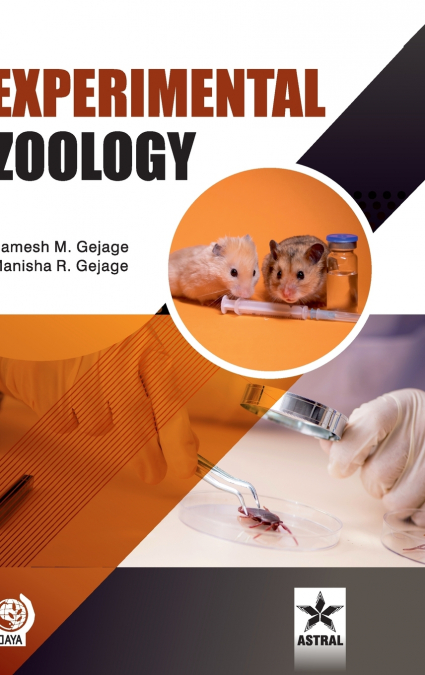
  • Experimental Zoology
    Manisha R Gejage / Ramesh M Gejage
    The goal of the book is to present the practical knowledge of Zoology. Animal diversity, venomous and non-venomous snakes, study of birds, brain of fowl and hyoid apparatus, sclerotic plates, pecten and collumella of fowl, scales of fishes, biochemical tests, activity of salivary amylase, estimation of total protein and lipid, DNA isolation and estimation of uric acid are given...
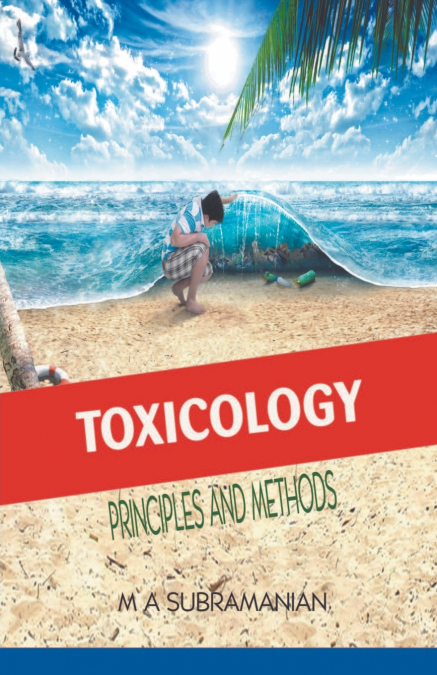
  • TOXICOLOGY
    M A SUBRAMANIAN
    In an era defined by burgeoning human populations, rampant industrialization, cutting-edge technological progress, and expanding urban landscapes, the integrity of our natural environment faces unprecedented challenges. The relentless march of progress has ushered in a flood of chemicals, seeping into the very fabric of our ecosystems and posing insidious threats to biological ...
    Disponible

    23,69 €

  • Leaders in Animal Behavior
    Donald Dewsbury / Lee Drickamer
    ...
    Disponible

    64,68 €

Otros libros del autor

  • Bacterial Adherence
    C. Beachey
    Bacteria adhere to and colonize almost any surface. Within minutes after sub­ merging a solid object in seawater or freshwater, the surface becomes colonized by adherent micro-organisms, and the earliest organisms to adhere are bacteria. Adherent colonies of bacteria have also been observed on particles of sand, soil, other bacteria, plant tissues, and a variety of animal tissu...
    Disponible

    46,94 €