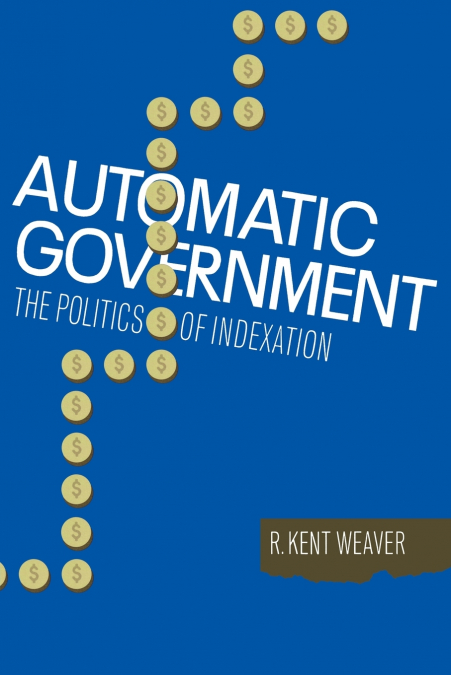

Automatic Government

Automatic Government

R. Kent Weaver

31,53 €
IVA incluido
Disponible
Editorial:
Bloomsbury Publishing plc
Año de edición:
1988
Materia
Economía monetaria
ISBN:
9780815792574
31,53 €
IVA incluido
Disponible

Selecciona una librería:

  • Librería Samer Atenea
  • Librería Aciertas (Toledo)
  • Kálamo Books
  • Librería Perelló (Valencia)
  • Librería Elías (Asturias)
  • Donde los libros
  • Librería Kolima (Madrid)
  • Librería Proteo (Málaga)

One of the most dramatic and least studied policy changes of the past twenty years is the increased use of indexing—automatic adjustments for inflation—in federal programs. Currently, programs comprising more than one-third of the federal budget have indexing provisions. The growth of indexing is all the more remarkable since it appears to conflict with the electoral interests of most politicians. Without indexing, legislators can vote for popular increases in social security benefits, federal pay, and other programs during election years and claim credit with their constituents for doing so. Indexing tends to keep such votes off the agenda. Why would politicians renounce these credit-claiming opportunities instead of embracing them? R. Kent Weaver examines the reasons for the growth of indexing in federal programs and its consequences for current policy. He focuses on indexing debates in six policy areas: social security, food stamps, congressional pay, dairy price supports, the minimum wage, and federal income tax brackets. Weaver argues that to understand indexation policy—and policymaking in general—we must broaden our understanding of policymakers' motivations. They have often given up opportunities to claim credit because they are even more concerned with avoiding blame for unpopular decisions and outcomes. Politicians' efforts to avoid blame for unpopular actions not only have determined whether indexing proposals were adopted, but have also shaped the effects of indexing on programs where it was adopted. Weaver shows that the effects of indexing have varied substantially across programs, and he suggests guidelines for the future use of indexing in federal programs.

Artículos relacionados

  • The Principles Governing Wealth & Finance
    MARVEN BILLS
    Many people want to improve their well-being, happiness, and opportunities by managing their wealth and finances effectively. However, this is not an easy task, as it requires knowledge, skills, and discipline. There are some basic guidelines that can help us achieve our financial goals, increase our income, save and invest wisely, and use our resources for good purposes. These...
    Disponible

    32,29 €

  • American Default
    Sebastian Edwards
    The untold story of how FDR did the unthinkable to save the American economyThe American economy is strong in large part because nobody believes that America would ever default on its debt. Yet in 1933, Franklin D. Roosevelt did just that, when in a bid to pull the country out of depression, he depreciated the US dollar in relation to gold, effectively annulling all debt contra...
    Disponible

    26,48 €

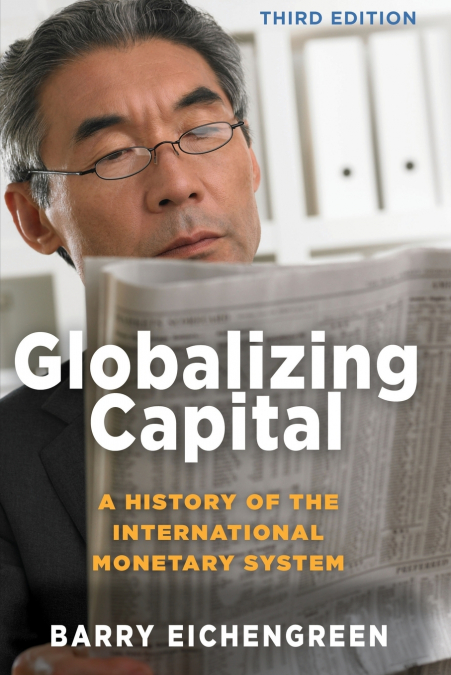
  • Globalizing Capital
    Barry Eichengreen
    Essential reading for understanding the international economy-now thoroughly updatedLucid, accessible, and provocative, and now thoroughly updated to cover recent events that have shaken the global economy, Globalizing Capital is an indispensable account of the past 150 years of international monetary and financial history-from the classical gold standard to today’s post-Bretto...
    Disponible

    43,05 €

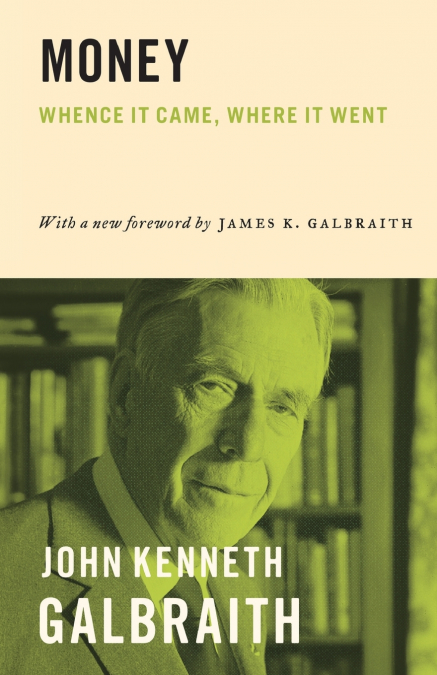
  • Money
    John Kenneth Galbraith
    Money is nothing more than what is commonly exchanged for goods or services, so why has understanding it become so complicated? In Money, renowned economist John Kenneth Galbraith cuts through the confusions surrounding the subject to present a compelling and accessible account of a topic that affects us all. He tells the fascinating story of money, the key factors that shaped ...
    Disponible

    37,12 €

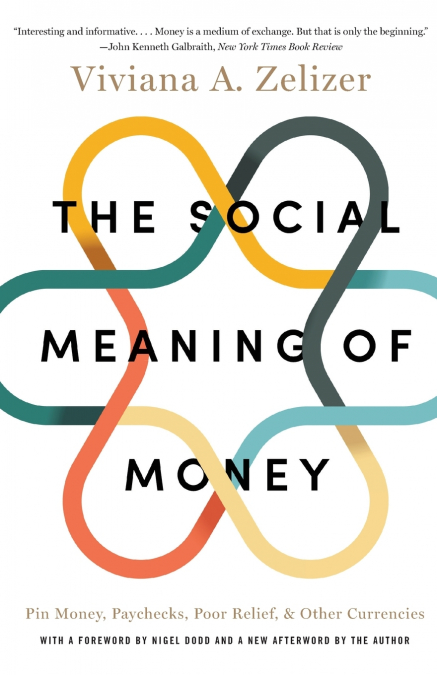
  • The Social Meaning of Money
    Viviana A. Zelizer
    A dollar is a dollar—or so most of us believe. Indeed, it is part of the ideology of our time that money is a single, impersonal instrument that impoverishes social life by reducing relations to cold, hard cash. After all, it’s just money. Or is it? Distinguished social scientist and prize-winning author Viviana Zelizer argues against this conventional wisdom. She shows how peo...
    Disponible

    33,29 €

  • Debt-Free Living
    SREEKUMAR V T / V T SREEKUMAR
    'Debt-Free Living: A Guide to Managing and Eliminating Debt' is a comprehensive resource for anyone looking to take control of their finances and achieve freedom from debt. This book provides practical advice, strategies, and tools for managing debt, creating a budget, saving money, and building wealth.Readers will learn how to assess their financial situation, set realistic go...

Otros libros del autor

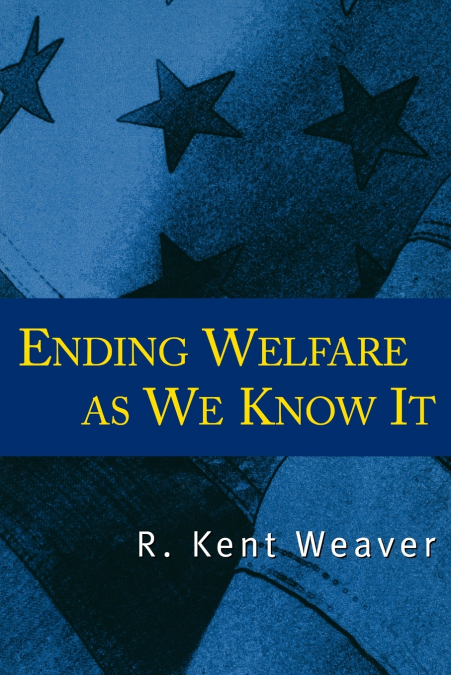
  • Ending Welfare as We Know It
    R. Kent Weaver
    'Bill Clinton's first presidential term was a period of extraordinary change in policy toward low-income families. In 1993 Congress enacted a major expansion of the Earned Income Tax Credit for low-income working families. In 1996 Congress passed and the president signed the Personal Responsibility and Work Opportunity Reconciliation Act. This legislation abolished the six...
    Disponible

    38,50 €