Inicio > Matemáticas y ciencia > Biologia, ciencias de la vida > Zoología y ciencias animales > Auswirkungen von Coriandrum sativum L. Blättern und Stängeln auf die männliche Fortpflanzung
Auswirkungen von Coriandrum sativum L. Blättern und Stängeln auf die männliche Fortpflanzung

Auswirkungen von Coriandrum sativum L. Blättern und Stängeln auf die männliche Fortpflanzung

Irfan Zia Qureshi / Shabana Shams / Sohail Ahmad

71,02 €
IVA incluido
Disponible
Editorial:
KS OmniScriptum Publishing
Año de edición:
2024
Materia
Zoología y ciencias animales
ISBN:
9786208133795
71,02 €
IVA incluido
Disponible

Selecciona una librería:

  • Librería Samer Atenea
  • Librería Aciertas (Toledo)
  • Kálamo Books
  • Librería Perelló (Valencia)
  • Librería Elías (Asturias)
  • Donde los libros
  • Librería Kolima (Madrid)
  • Librería Proteo (Málaga)

Koriander (Coriandrum sativum L.) gehört zur Familie der Doldenblütler und zur Gattung der Koriander (Coriandrum L.). Koriander stammt aus dem Mittelmeerraum und wird in Russland, Mitteleuropa, Nordafrika und Asien angebaut. In Indien ist er unter dem Namen „Dhanya' bekannt und wird als wichtige ayurvedische Heilpflanze verwendet. Aus seinen jungen Blättern werden Soßen und Chutneys hergestellt. Koriander, ein kleines Kraut, gilt aufgrund seiner antihyperglykämischen, antihyperlipidämischen, antiproliferativen, blutdrucksenkenden und verdauungsfördernden Eigenschaften als Heilpflanze. Die aktuelle Studie wurde durchgeführt, um die Wirkung des ethanolischen Extrakts von Coriandrum sativum L. Stängel und Blättern auf die männlichen Fortpflanzungsorgane anhand einer Reihe von Experimenten an Ratten als Modellsystem zu untersuchen. Unsere Ergebnisse deuten darauf hin, dass die orale Verabreichung von Korianderextrakt negative Auswirkungen auf die Fortpflanzungsorgane von Ratten hat, was auf seine dosisabhängigen toxikologischen Auswirkungen auf die Fortpflanzung hinweist. Diese hemmende Wirkung von Koriander auf die Fortpflanzung könnte reversibel sein. Somit könnte Koriander als Verhütungsmittel dienen, indem er die Fortpflanzungsaktivität vorübergehend blockiert.
Artículos relacionados

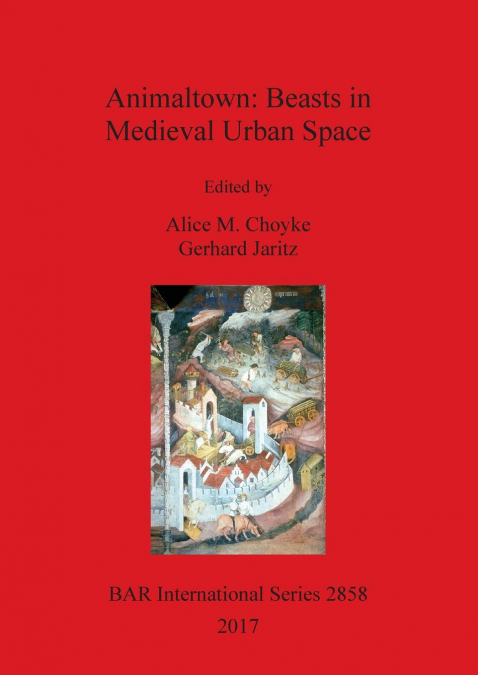
  • Animaltown
    Urban space constitutes a place where people and animals live together in close proximity with each other, creating changing landscapes of co-existence, conflict, mutual dependencies and exploitation. The medieval animals found in the articles of Animaltown: Beasts in Medieval Urban Space, appear in text and image, as well as archaeological find materials in the form of butcher...
    Disponible

    109,24 €

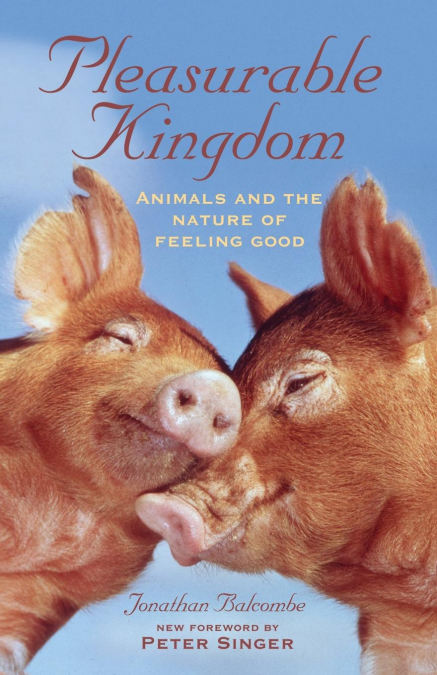
  • Pleasurable Kingdom
    Jonathan Balcombe
    Pleasurable Kingdom presents new evidence that animals--like humans--enjoy themselves. From birds to baboons, insects to iguanas, animals feel good thanks to play, sex, touch, food, anticipation, comfort, aesthetics, and more. Combining rigorous evidence, elegant argument and amusing anecdotes, leading animal behavior researcher Jonathan Balcombe shows that the possibility of p...
    Disponible

    18,96 €

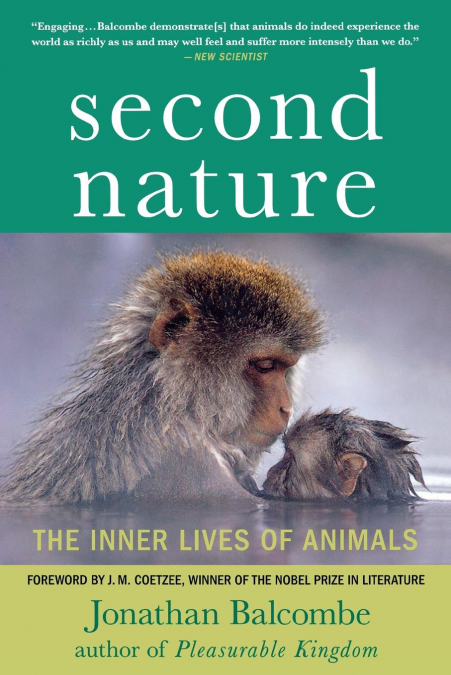
  • SECOND NATURE
    Jonathan Balcombe
    ...
    Disponible

    16,52 €

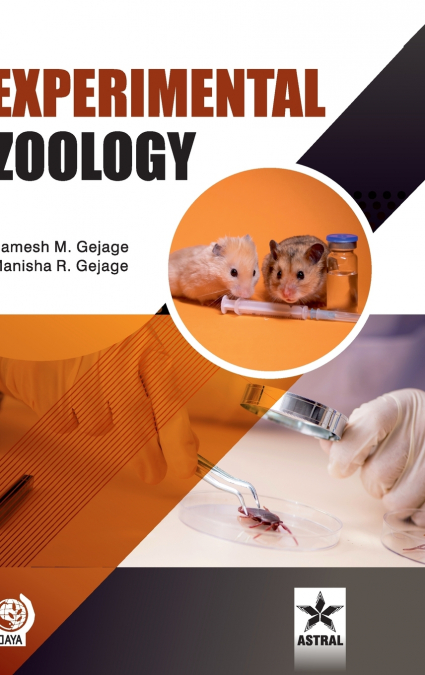
  • Experimental Zoology
    Manisha R Gejage / Ramesh M Gejage
    The goal of the book is to present the practical knowledge of Zoology. Animal diversity, venomous and non-venomous snakes, study of birds, brain of fowl and hyoid apparatus, sclerotic plates, pecten and collumella of fowl, scales of fishes, biochemical tests, activity of salivary amylase, estimation of total protein and lipid, DNA isolation and estimation of uric acid are given...
    Disponible

    38,40 €

  • TOXICOLOGY
    M A SUBRAMANIAN
    In an era defined by burgeoning human populations, rampant industrialization, cutting-edge technological progress, and expanding urban landscapes, the integrity of our natural environment faces unprecedented challenges. The relentless march of progress has ushered in a flood of chemicals, seeping into the very fabric of our ecosystems and posing insidious threats to biological ...
    Disponible

    23,69 €

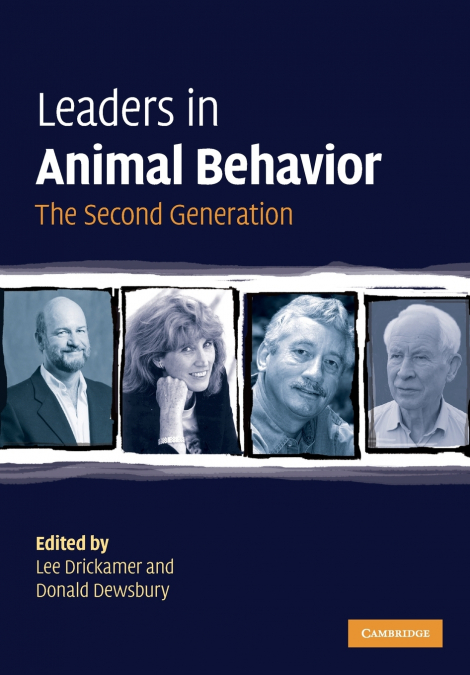
  • Leaders in Animal Behavior
    Donald Dewsbury / Lee Drickamer
    ...
    Disponible

    64,68 €

Otros libros del autor

  • Effet des feuilles et des tiges de Coriandrum sativum L. sur la reproduction masculine
    Irfan Zia Qureshi / Shabana Shams / Sohail Ahmad
    La coriandre (Coriandrum sativum L.) appartient à la famille des Apiceae et au genre Coriandrum L. La coriandre est originaire de la région méditerranéenne et est largement cultivée en Russie, en Europe centrale, en Afrique du Nord et en Asie. Son nom commun en Inde est Dhanya et elle est utilisée comme une importante plante médicinale ayurvédique. Ses jeunes feuilles sont ut...
    Disponible

    71,02 €

  • Effetto delle foglie e dei gambi di Coriandrum sativum L. sulla riproduzione maschile
    Irfan Zia Qureshi / Shabana Shams / Sohail Ahmad
    Il coriandolo (Coriandrum sativum L.) appartiene alla famiglia delle Apiceae e al genere Coriandrum L. Il coriandolo è originario della regione mediterranea ed è ampiamente coltivato in Russia, Europa centrale, Nord Africa e Asia. Il suo nome comune in India è 'Dhanya' e viene utilizzato come importante pianta medicinale ayurvedica. Le sue foglie giovani sono utilizzate per pre...
    Disponible

    71,03 €

  • Efeito das folhas e caules de Coriandrum sativum L. na reprodução masculina
    Irfan Zia Qureshi / Shabana Shams / Sohail Ahmad
    Os coentros (Coriandrum sativum L.) pertencem à família das Apiceae e ao género Coriandrum L. Os coentros são originários da região mediterrânica e são amplamente cultivados na Rússia, Europa Central, Norte de África e Ásia. O seu nome comum na Índia é 'Dhanya' e é utilizado como uma importante planta medicinal ayurvédica. As suas folhas jovens são utilizadas para fazer molhos ...
    Disponible

    71,03 €