

 Librería Samer Atenea
 Kálamo Books
 Librería Elías (Asturias)
 Librería Kolima (Madrid)
 Librería Proteo (Málaga)
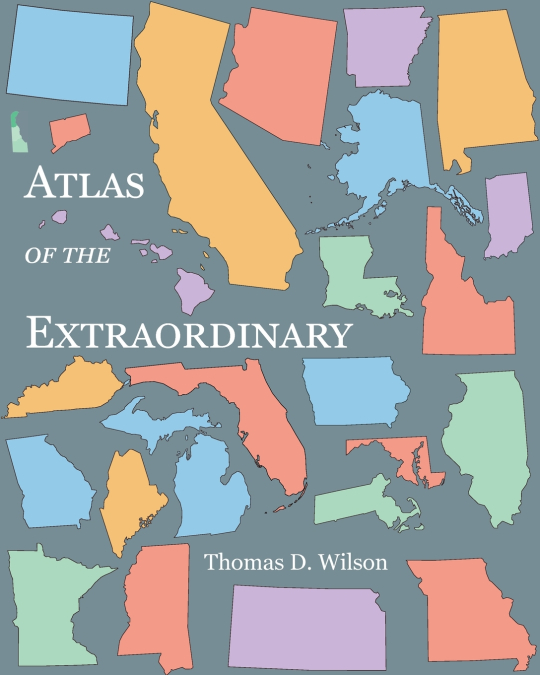
Atlas of the ExtraordinaryWhat makes a place extraordinary? Across the United States, communities large and small claim distinctions that set them apart from everywhere else. Some possess remarkable natural features or historic landmarks. Others celebrate unusual inventions, pioneering achievements, cultural traditions, or wonderfully eccentric attractions. Together, these claims reveal something fundamental about the American landscape: the enduring desire of communities to establish and celebrate their unique identities.Atlas of the Extraordinary is an illustrated geographic and cultural exploration of the United States through the exceptional claims made by its cities, towns, regions, and landmarks. Organized geographically and encompassing all fifty states, the book brings together an extensive collection of superlatives, historic firsts, geographic extremes, nationally significant places, and unusual local distinctions.The Atlas examines five broad categories of extraordinary places: world-class achievements and superlatives; the oldest and first examples of American institutions, activities, and innovations; places of exceptional historical significance; remarkable geographic features; and whimsical or unconventional attractions that have become part of local identity.Maps, illustrations, and concise narratives locate these distinctions within the broader American landscape, connecting individual places to the history, geography, settlement patterns, cultural traditions, and economic forces that shaped them. From historic towns and monumental engineering achievements to natural wonders and curious roadside attractions, the Atlas offers a distinctive way to explore the nation’s geographic and cultural diversity.Beyond its collection of remarkable places, the book investigates a larger question: Why do communities seek recognition for being exceptional? The answer lies partly in civic pride, collective memory, competition, tourism, and the human desire for belonging. Claims of distinction become expressions of local identity, helping communities interpret their past, define their character, and present themselves to the wider world.Written from the perspective of an urban planner and cultural geographer, Atlas of the Extraordinary combines the accessibility of a geographic reference work with the interpretive perspective of a study of American places. It invites readers to consider not only what makes a community unusual, but also why those distinctions matter.The book will appeal to readers interested in American geography, local and regional history, cultural landscapes, historic preservation, heritage tourism, road trips, Americana, and the distinctive character of American towns and cities. It is both a resource for geographic discovery and an invitation to look more closely at the places that collectively define the United States.Ultimately, Atlas of the Extraordinary is a celebration of the remarkable diversity of American places and an exploration of the ways communities transform their histories, landscapes, achievements, and peculiarities into enduring expressions of identity.








