 Librería Samer Atenea
 Librería Aciertas (Toledo)
 Kálamo Books
 Librería Perelló (Valencia)
 Librería Elías (Asturias)
 Donde los libros
 Librería Kolima (Madrid)
 Librería Proteo (Málaga)
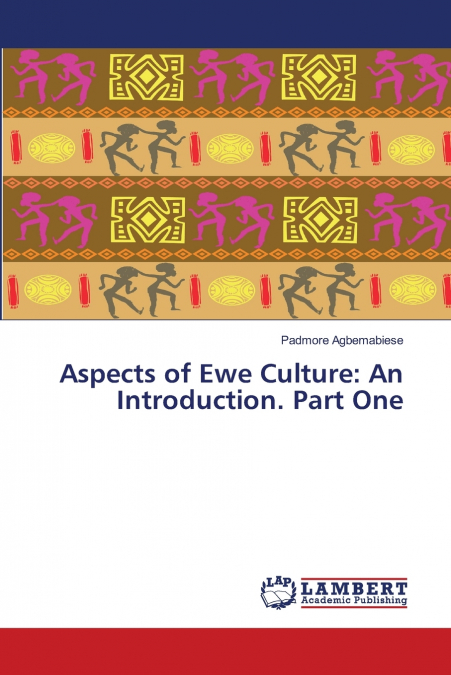
Eʋe communities are based either on clan, ethnic descent, or religious affiliations and these equally manifest in the many ways they relate to each other in modern cities. In a typical Eʋe community, the individual cannot exist alone but corporately. He or she owes existence to other people from his or her lineage, including those of past generations and contemporaries. Whatever happens to the individual is believed to affect the lineage, and whatever happens to the whole group affects the individual too. Thus, Eʋes believe that ’the public disgrace of the crocodile is equally the shame of the alligator.’ (Elo fe ŋukpea, eve fe ŋukpee wonye). The individual can therefore only say: 'I am because we are, and since we are, therefore I am.' This is a cardinal principle in the understanding of the Eʋe view of humanity. Eʋes share the basic instinct of gregariousness with the rest of humankind. Families and members of kin-groups from minimal to maximal lineages generally live together, to form a community of Eʋes in a locality. To eliminate isolation which tends to beget a sense of loneliness and depression, Eʋes share life intensely in common.