Inicio > Ciencias de la tierra, geografía, medioambiente, planificación > Geografía > Armut und Armutsbekämpfung in Süd-, Südost-, und Ostasien
Armut und Armutsbekämpfung in Süd-, Südost-, und Ostasien

Armut und Armutsbekämpfung in Süd-, Südost-, und Ostasien

Irene Grabherr / Markus Rothensteiner

17,79 €
IVA incluido
Disponible
Editorial:
GRIN Verlag
Año de edición:
2007
Materia
Geografía
ISBN:
9783638681971
17,79 €
IVA incluido
Disponible

Selecciona una librería:

  • Librería Samer Atenea
  • Librería Aciertas (Toledo)
  • Kálamo Books
  • Librería Perelló (Valencia)
  • Librería Elías (Asturias)
  • Donde los libros
  • Librería Kolima (Madrid)
  • Librería Proteo (Málaga)

Studienarbeit aus dem Jahr 2005 im Fachbereich Geowissenschaften / Geographie - Bevölkerungsgeographie, Stadt- u. Raumplanung, Note: 2, Universität Wien (Institut für Geographie und Regionalforschung Wien), Veranstaltung: Seminar Bevölkerungs-, Familien- und Sozialpolitik in Asien: Konzepte, Maßnahmen, Probleme, 41 Quellen im Literaturverzeichnis, Sprache: Deutsch, Abstract: Etwa 1,1 Milliarden Menschen, (also 21% der Weltbevölkerung) leben in extremer Armut, d.h. sie verfügen über weniger als einen US-Dollar pro Tag. Zieht man die Armutsgrenze bei 2 US-Dollar pro Tag, so gelten insgesamt 2,7 Milliarden Menschen und damit fast die Hälfte der Weltbevölkerung als arm. Die größte Zahl dieser Menschen lebt in Asien. Armut bedeutet, Krankheiten, Naturkatastrophen oder Gewalt schutzlos ausgeliefert zu sein. Die Ursachen und Gründe für Armut sind zahlreich: Dürreperioden, niedrige Löhne, Regierungen, die nur die Interessen der Reichen berücksichtigen, Korruption, Kriege, Epidemien, Naturkatastrophen und ein hohes Bevölkerungswachstum. Auch starke Verschuldung von Staaten und ungerechte internationale Handelsregeln sind Ursachen für Armut. Eine der wichtigsten Ursachen für Armut ist die fehlende Gleichberechtigung der Frauen: Die meisten der in Armut lebenden Personen (ca. 70%) sind Frauen und Mädchen. Bis ins 19. Jahrhundert hinein wurde Armut überwiegend nicht als gesellschaftlich verursacht, sondern als individuell verschuldet oder als „Strafe Gottes' betrachtet. Inhalt: 1. Armut allgemein - eine Einführung 1.1 Einleitung 1.2 Arten der Armut - Armutskonzepte 1.3 Definitionen von Armut: Wer ist arm? 1.4 Messung von Armut: Armutsindikatoren 1.4.1 Indikatoren auf internationaler Ebene 1.4.2 Indikatoren auf nationaler Ebene 2. Armutsbekämpfung 2.1 Warum Armutsbekämpfung? 2.2 Formen der Armutsbekämpfung 2.3 Armutsbekämpfung - eine junge Historie 2.4 Allgemeine Strategien zur Bekämpfung von Armut 3. Armut und Armutsbekämpfung in Süd-, Südost- und Ostasien 3.1 Süd-, Sü 3

Artículos relacionados

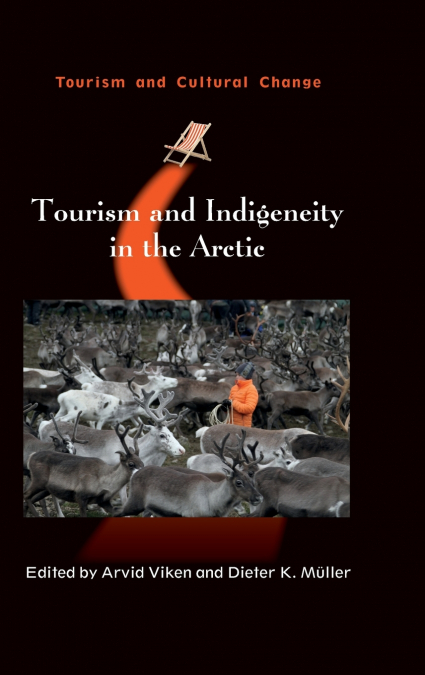
  • Tourism and Indigeneity in the Arctic
    This is the first book to exclusively address tourism and indigenous peoples in the circumpolar North. It examines how tourism in indigenous communities is influenced by academic and political discourses, and how these communities are influenced by tourism. The volume focuses on the ambivalence relating to tourism as a modern force within ethnic groups who are concerned with ma...
  • Playas en la costa caribeña colombiana
    Diva Marcela Piamba Tulcán / Eduardo Silva Peña / Eliana Díaz Muñoz / Juliana Javierre / Mónica María Del Valle Idárraga / Yessica Chiquillo
    En este libro, reconstruimos el surgimiento y transformación de varias playas del hoy llamado Caribe colombiano, como playas turísticas, entre 1950 y 1990. Mediante un análisis de archivos periodísticos y audiovisuales y de narraciones de Amira de la Rosa, Jaime Manrique, Fanny Buitrago, Tomás González, entre otros, desanudamos el cronotopo playas, tomando como foco Prado Mar y...
    Disponible

    20,75 €

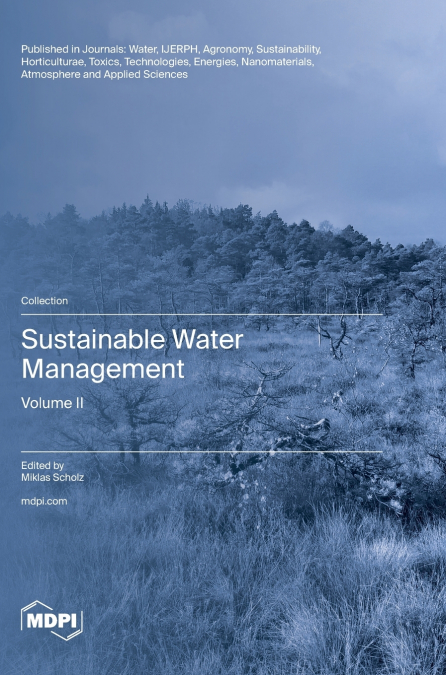
  • Sustainable Water Management
    Miklas Scholz
    The collection is comprised of 40 reprinted articles grouped into six sections. Section 1 is concerned with the interface between climate change, water resources and public health. The water-related impacts of climate change on agriculture and, subsequently, on public health are also assessed. Agricultural water management is covered in Section 2. Novel water retention and nutr...
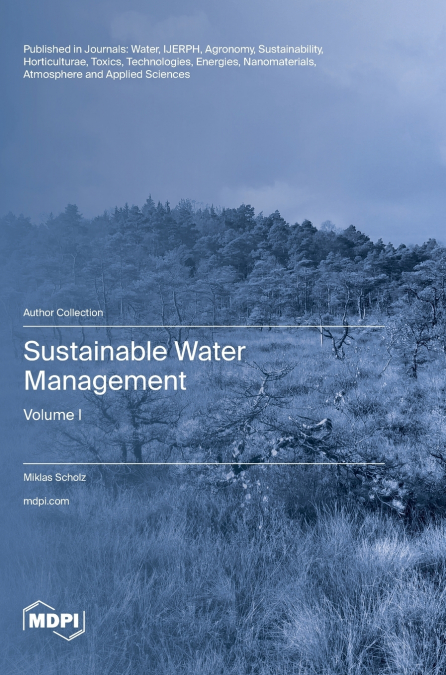
  • Sustainable Water Management
    Miklas Scholz
    The collection is comprised of 40 reprinted articles grouped into six sections. Section 1 is concerned with the interface between climate change, water resources and public health. The water-related impacts of climate change on agriculture and, subsequently, on public health are also assessed. Agricultural water management is covered in Section 2. Novel water retention and nutr...
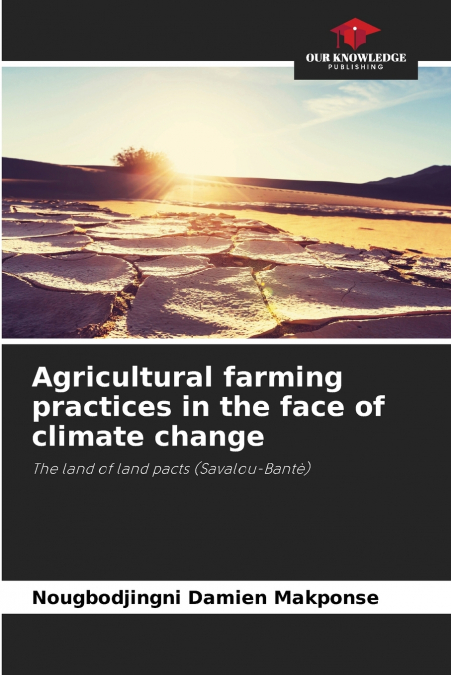
  • Agricultural farming practices in the face of climate change
    Nougbodjingni Damien Makponse
    In recent years, the land pact region has experienced the vulnerability and adverse effects of climate change. This research analyses the adaptation strategies used by farmers to improve their living conditions. The methodology used consists of collecting, processing and analysing results based on 120 farmers in two districts of each commune. The field results reveal that the i...
    Disponible

    48,30 €

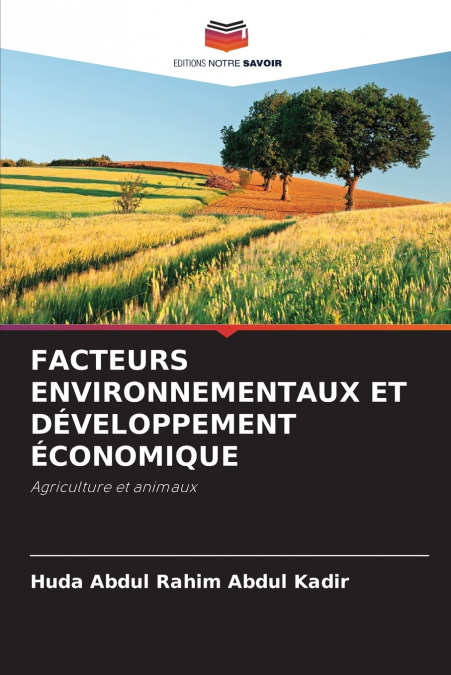
  • FACTEURS ENVIRONNEMENTAUX ET DÉVELOPPEMENT ÉCONOMIQUE
    Huda Abdul Rahim Abdul Kadir
    Les facteurs environnementaux qui nous entourent sont nombreux, les hommes, les animaux et les plantes en sont affectés, et affectent l’activité et la capacité de production, ainsi que l’économie de la vie qui en est affectée sous différents aspects. L’effet de ces facteurs se reflète clairement sur l’agriculture générale et comprend de nombreux types de produits, y compris les...
    Disponible

    54,38 €