
Inicio > Matemáticas y ciencia > Biologia, ciencias de la vida > Zoología y ciencias animales > Anti-Vivisection and the Profession of Medicine in Britain
Anti-Vivisection and the Profession of Medicine in Britain

Anti-Vivisection and the Profession of Medicine in Britain

AWH Bates

48,46 €
IVA incluido
Disponible
Editorial:
Creative Media Partners, LLC
Año de edición:
2020
Materia
Zoología y ciencias animales
ISBN:
9781013289026
48,46 €
IVA incluido
Disponible

Selecciona una librería:

  • Librería Samer Atenea
  • Librería Aciertas (Toledo)
  • Kálamo Books
  • Librería Perelló (Valencia)
  • Librería Elías (Asturias)
  • Donde los libros
  • Librería Kolima (Madrid)
  • Librería Proteo (Málaga)

This book explores the social history of the anti-vivisection movement in Britain from its nineteenth-century beginnings until the 1960s. It discusses the ethical principles that inspired the movement and the socio-political background that explains its rise and fall. Opposition to vivisection began when medical practitioners complained it was contrary to the compassionate ethos of their profession. Christian anti-cruelty organizations took up the cause out of concern that callousness among the professional classes would have a demoralizing effect on the rest of society. As the nineteenth century drew to a close, the influence of transcendentalism, Eastern religions and the spiritual revival led new age social reformers to champion a more holistic approach to science, and dismiss reliance on vivisection as a materialistic oversimplification. In response, scientists claimed it was necessary to remain objective and unemotional in order to perform the experiments necessary for medical progress.This work was published by Saint Philip Street Press pursuant to a Creative Commons license permitting commercial use. All rights not granted by the work’s license are retained by the author or authors.

Artículos relacionados

  • Animaltown
    Urban space constitutes a place where people and animals live together in close proximity with each other, creating changing landscapes of co-existence, conflict, mutual dependencies and exploitation. The medieval animals found in the articles of Animaltown: Beasts in Medieval Urban Space, appear in text and image, as well as archaeological find materials in the form of butcher...
    Disponible

    109,24 €

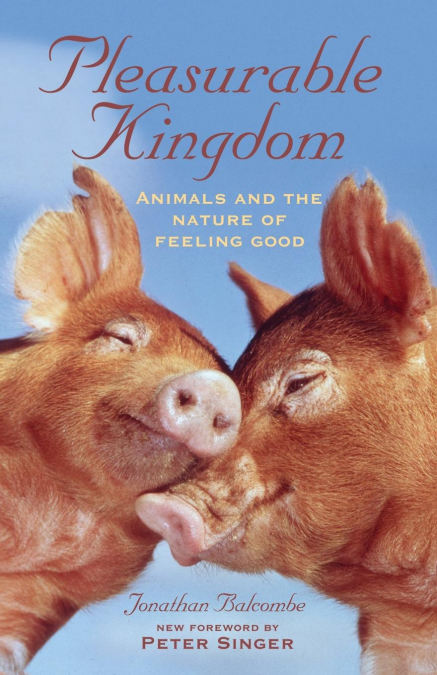
  • Pleasurable Kingdom
    Jonathan Balcombe
    Pleasurable Kingdom presents new evidence that animals--like humans--enjoy themselves. From birds to baboons, insects to iguanas, animals feel good thanks to play, sex, touch, food, anticipation, comfort, aesthetics, and more. Combining rigorous evidence, elegant argument and amusing anecdotes, leading animal behavior researcher Jonathan Balcombe shows that the possibility of p...
    Disponible

    18,96 €

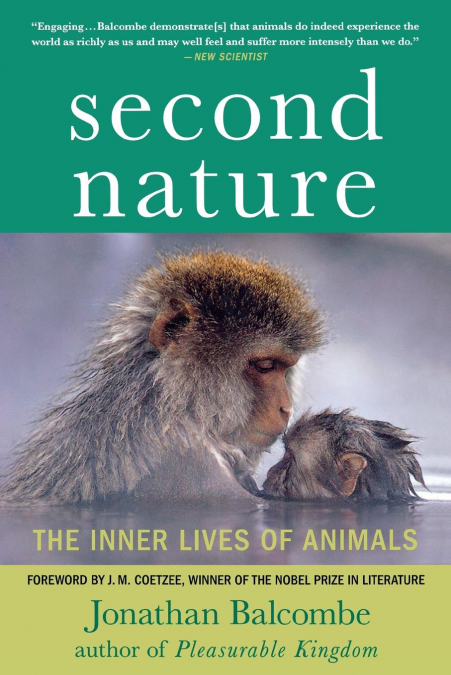
  • SECOND NATURE
    Jonathan Balcombe
    ...
    Disponible

    16,52 €

  • Experimental Zoology
    Manisha R Gejage / Ramesh M Gejage
    The goal of the book is to present the practical knowledge of Zoology. Animal diversity, venomous and non-venomous snakes, study of birds, brain of fowl and hyoid apparatus, sclerotic plates, pecten and collumella of fowl, scales of fishes, biochemical tests, activity of salivary amylase, estimation of total protein and lipid, DNA isolation and estimation of uric acid are given...
  • TOXICOLOGY
    M A SUBRAMANIAN
    In an era defined by burgeoning human populations, rampant industrialization, cutting-edge technological progress, and expanding urban landscapes, the integrity of our natural environment faces unprecedented challenges. The relentless march of progress has ushered in a flood of chemicals, seeping into the very fabric of our ecosystems and posing insidious threats to biological ...
    Disponible

    23,69 €

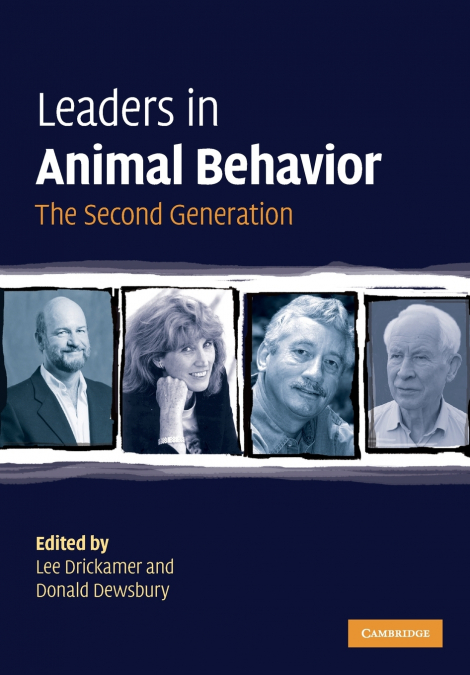
  • Leaders in Animal Behavior
    Donald Dewsbury / Lee Drickamer
    ...
    Disponible

    64,68 €

Otros libros del autor

  • Anti-Vivisection and the Profession of Medicine in Britain
    AWH Bates
    This book explores the social history of the anti-vivisection movement in Britain from its nineteenth-century beginnings until the 1960s. It discusses the ethical principles that inspired the movement and the socio-political background that explains its rise and fall. Opposition to vivisection began when medical practitioners complained it was contrary to the compassionate etho...