
Inicio > Matemáticas y ciencia > Biologia, ciencias de la vida > Ciencias de la vida: cuestiones generales > Animal Models for Assessing Countermeasures to Bioterrorism Agents
Animal Models for Assessing Countermeasures to Bioterrorism Agents

Animal Models for Assessing Countermeasures to Bioterrorism Agents

AA.VV

41,55 €
IVA incluido
Disponible
Editorial:
National Academies Press
Año de edición:
2011
Materia
Ciencias de la vida: cuestiones generales
ISBN:
9780309219099
41,55 €
IVA incluido
Disponible

Selecciona una librería:

  • Librería Samer Atenea
  • Librería Aciertas (Toledo)
  • Kálamo Books
  • Librería Perelló (Valencia)
  • Librería Elías (Asturias)
  • Donde los libros
  • Librería Kolima (Madrid)
  • Librería Proteo (Málaga)

The Transformational Medical Technologies (TMT) has been a unique component of the U.S. Department of Defense (DoD) medical biodefense efforts since 2006. Its mission is to advance countermeasure research and development in support of the broader goal of the DoD to protect warfighters from emerging infectious diseases and future genetically engineered biological weapons. The TMT, using advanced science and technology approaches, focused on the development of roadspectrum countermeasures that target common host and pathogen pathways or enhance the host’s immune response. Many of these pathogens are lethal or cause such debilitating diseases in humans that it is ethically inappropriate to test the efficacy of these countermeasures in human volunteers. In lieu of human participants, these products may be tested in animals and approved for human use under the provisions of the Food and Drug Administration (FDA)’s 2002 Animal Rule. The reliance on animal models for the development and licensure of medical countermeasures against biothreats is challenging for a number of reasons. The ad hoc Committee on Animal Models for Assessing Countermeasures to Bioterrorism Agents prepared a consensus report that would address the challenges stemming from developing and testing medical countermeasures against biothreat agents in animal models. Animal Models for Assessing Countermeasures to Bioterrorism Agents evaluates how well the existing TMT-employed or candidate animal models reflect the pathophysiology, clinical picture, and treatment of human disease as related to the agents of interest. The report addresses the process and/or feasibility of developing new animal models for critical biodefense research, placing emphasis on the need for a robust and expeditious validation process in terms of the FDA’s Animal Rule. The report also evaluates alternatives to the use of animal models based on the premise of the Three Rs.

Artículos relacionados

  • Bioactive Compounds Of Jaboticaba (Plinia Sp.)
    Flávio Alves Da Silva / Nara Rúbia Rodrigues Do Nascimento-Silva / Rodrigo Barbosa Monteiro Cavalcante
    The Whole Jaboticaba Fruit Stood Out For Its High Levels Of Total Polyphenols, Mainly Anthocyanins (Cyanidin And Delphinidin), Ellagic Acid, Methylellagic Acid, Gallic Acid, Myricetin, Quercetin, Castalagin, Pedunculagin And Vescalagin. When Evaluating The Behavior Of These Compounds After In Vitro Digestion, It Is Observed That Anthocyanins Did Not Suffer As Much In The Saliva...
    Disponible

    11,96 €

  • Obesidad, genética y entorno. El papel de la flexibilidad metabólica
    Fundación alimentación saludable
    Afortunadamente, gracias a la investigación, somos más conscientes de que la obesidad no es una patología que se deba en exclusiva a la desidia ola falta de voluntad del sujeto y que los mensajes de culpabilidad o estigmatización hacia los pacientes no sólo no ayudan a poner freno al sobrepeso, sino que pueden perjudicar seriamente su salud mental. También sabemos, y esto es mu...
    Disponible

    20,00 €

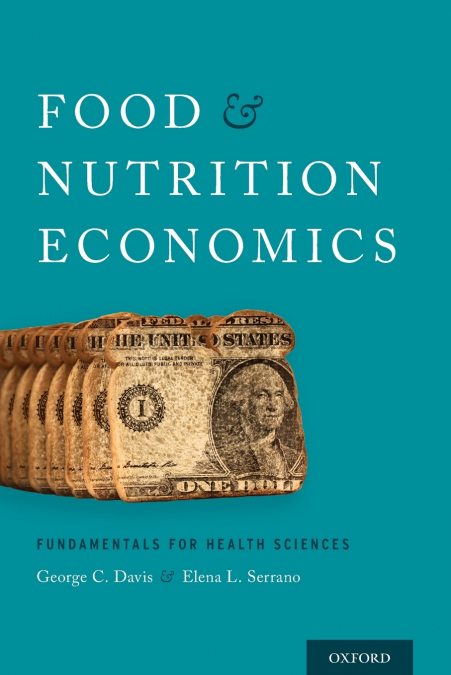
  • FOOD AND NUTRITION ECONOMICS P
    GEORGE C DAVIS
    ...
    Disponible

    118,89 €

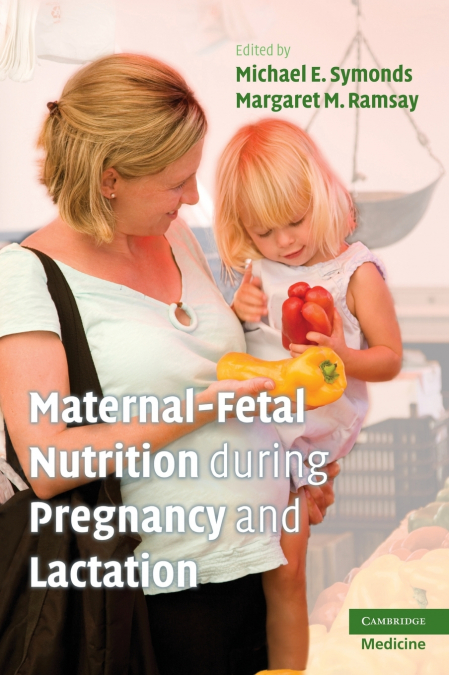
  • Maternal-Fetal Nutrition During Pregnancy and Lactation
    ...
  • The Myths About Nutrition Science
    David Lightsey
    The Myths About Nutrition Science provides an authoritative, yet readily understandable, overview of the common misunderstandings that are commonplace within consumer or athletic communities regarding the food production process and nutrition science, which may affect their physical development, performance, and long-term health ...
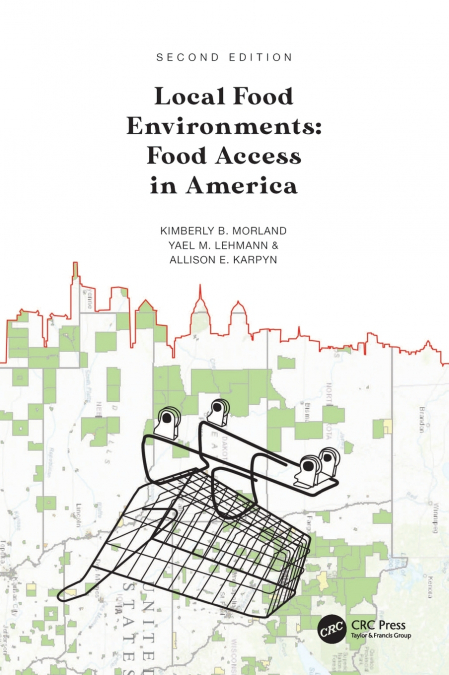
  • Local Food Environments
    Allison E. Karpyn / Kimberly B. Morland / Yael M. Lehmann
    This second edition contains four sections including (1) disparities between local food environments in the United States; (2) effect of restricted local food environments on dietary intake; (3) interventions to local food environment and their impact on communities; and (d) macro-level influence on the development of local food environments. ...