 Librería Samer Atenea
 Kálamo Books
 Librería Elías (Asturias)
 Librería Kolima (Madrid)
 Librería Proteo (Málaga)
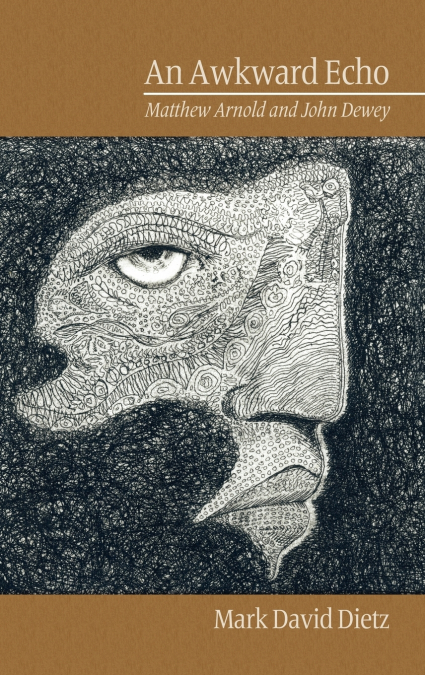
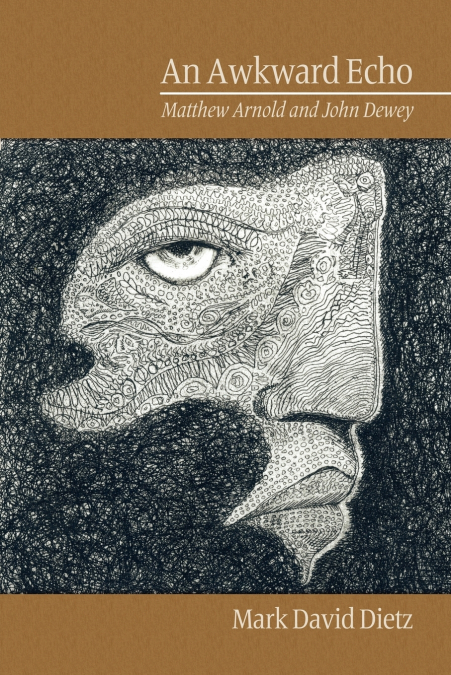
A volume in Research in Curriculum and InstructionSeries Editor: O. L. Davis, Jr. The University of Texas at AustinMatthew Arnold, 19th century English poet, literary critic and school inspector, felt that each agehad to determine that philosophy that was most adequate to its own concerns and contexts. Thisstudy looks at the influence that Matthew Arnold had on John Dewey and attempts to fashion aphilosophy of education that is adequate for our own peculiarly awkward age. Today, Arnold andDewey are embraced by opposing political positions. Arnold, as the apostle of culture, is oftenadvocated by conservative educators who see in him a support for an education founded on greatbooks and Victorian values, while Dewey still has a notably liberal coloring and is not too infrequentlytarred for the excesses of progressive education, even those for which he bears no responsibilityat all. Both, no doubt, are misread by those who rather carelessly use them as idols for theirown politics of education.This study proposes a pluralistic approach to education in which pluralism means not only plurality of voices, but also plurality of processes.Using a model built out of a study of rhetoric and hermeneutics, four aspects of mind are indentified that draw Arnold andDewey into close correspondence. These aspects are the tentacle mind (using Dewey’s favorite metaphor for breaking down the barrierbetween mind and body), the critical mind (which builds on the concepts of criticism that animated both Arnold and Dewey’s approachto experience), the intentional mind (which attempts a long overdue rehabilitation of the concept of authority and an expansion upon theincreasingly apparent limitations of reader-response theory) and the reflective-response mind (in which the contemplative mind istreated to that active quality that makes it more a true instrumentality and less an obscuring mechanism of isolation).Dewey echoed Matthew Arnold who himself echoed so many of the voices that preceded andwere contemporary with his own. Theirs were awkward echoes, as all such echoes invariablyare. They caught at the intentionality of those voices they echoed, trying for nearness, buthoping, at least, for adequacy. Awkward, but adequate, is what this study offers, but it maywell be what we most need right now.