
Inicio > Sociedad y ciencias sociales > Educación pedagogía > Allocating Federal Funds for State Programs for English Language Learners
Allocating Federal Funds for State Programs for English Language Learners

Allocating Federal Funds for State Programs for English Language Learners

AA.VV

31,72 €
IVA incluido
Disponible
Editorial:
National Academies Press
Año de edición:
2011
Materia
Educación pedagogía
ISBN:
9780309186582
31,72 €
IVA incluido
Disponible

Selecciona una librería:

  • Librería Samer Atenea
  • Librería Aciertas (Toledo)
  • Kálamo Books
  • Librería Perelló (Valencia)
  • Librería Elías (Asturias)
  • Donde los libros
  • Librería Kolima (Madrid)
  • Librería Proteo (Málaga)

As the United States continues to be a nation of immigrants and their children, the nation’s school systems face increased enrollments of students whose primary language is not English. With the 2001 reauthorization of the Elementary and Secondary Education Act (ESEA) in the No Child Left Behind Act (NCLB), the allocation of federal funds for programs to assist these students to be proficient in English became formula-based: 80 percent on the basis of the population of children with limited English proficiency1 and 20 percent on the basis of the population of recently immigrated children and youth.Title III of NCLB directs the U.S. Department of Education to allocate funds on the basis of the more accurate of two allowable data sources: the number of students reported to the federal government by each state education agency or data from the American Community Survey (ACS). The department determined that the ACS estimates are more accurate, and since 2005, those data have been basis for the federal distribution of Title III funds.Subsequently, analyses of the two data sources have raised concerns about that decision, especially because the two allowable data sources would allocate quite different amounts to the states. In addition, while shortcomings were noted in the data provided by the states, the ACS estimates were shown to fluctuate between years, causing concern among the states about the unpredictability and unevenness of program funding.In this context, the U.S. Department of Education commissioned the National Research Council to address the accuracy of the estimates from the two data sources and the factors that influence the estimates. The resulting book also considers means of increasing the accuracy of the data sources or alternative data sources that could be used for allocation purposes.

Artículos relacionados

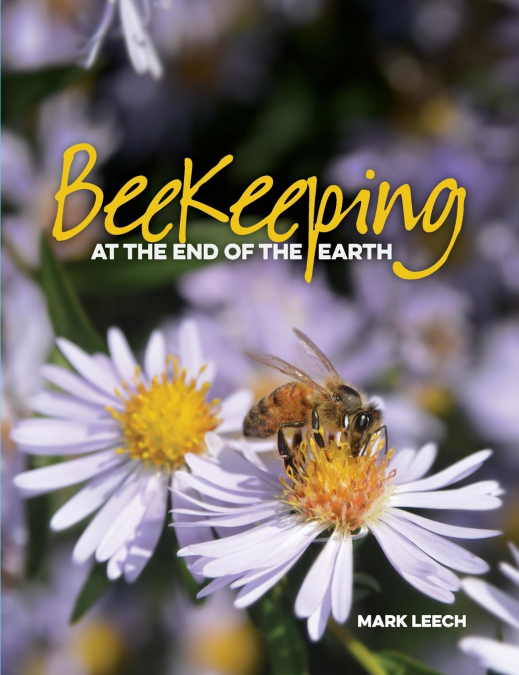
  • Beekeeping At The End Of The Earth
    Mark David Leech
    Beekeeping at the End of the Earth, an essential read for learning about beekeeping in a cool temperate climate with a focus on Tasmania our island home.  One hundred beekeepers one hundred different ways to keep bees.Beekeeping At The End Of The Earth is a practical insight into cool climate beekeeping with a focus on Tasmania, our island home.Richly illustrated with unique di...
    Disponible

    45,16 €

  • Be the One for Kids
    Ryan Sheehy
    One person can make a difference.That person can be you. “I want to show others that one person can make the difference in a child’s life. I want all educators, parents, coaches, and everyone in between to know they have power to Be the One for Kids.” —Ryan Sheehy If you ever feel like you’re all alone or think that no one gets you, just imagine how your students feel. Kids wan...
    Disponible

    27,99 €

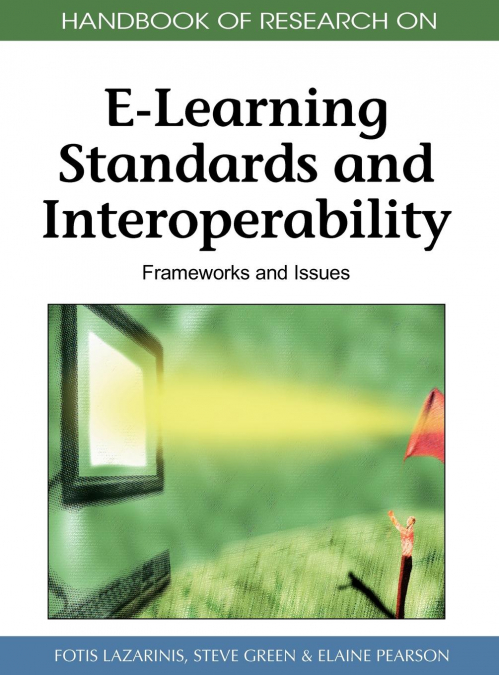
  • Handbook of Research on E-Learning Standards and Interoperability
    As the e-learning industry continues to expand and the methods and tools necessary to create and maintain content and infrastructure applications become more complicated, there is an inherent need for these applications to interoperate and exchange data in order to better support the needs of learners and educators. Handbook of Research on E-Learning Standards and Interoperabil...
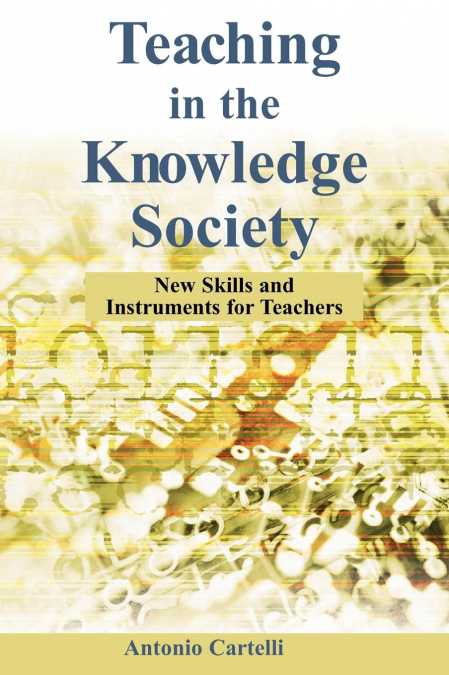
  • Teaching in the Knowledge Society
    Antonio Cartelli
    ...
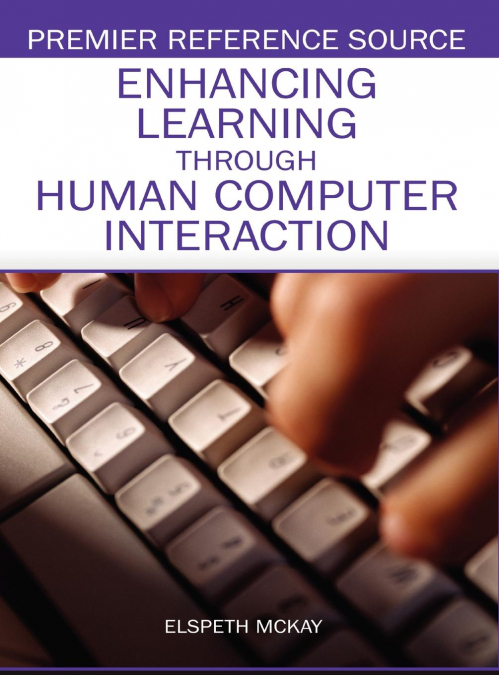
  • Enhancing Learning Through Human Computer Interaction
    Elspeth McKay
    ...
  • Learning Objects for Instruction
    Pamela Taylor Northrup
    ...