Librería Samer Atenea
 Kálamo Books
 Librería Elías (Asturias)
 Librería Kolima (Madrid)
 Librería Proteo (Málaga)
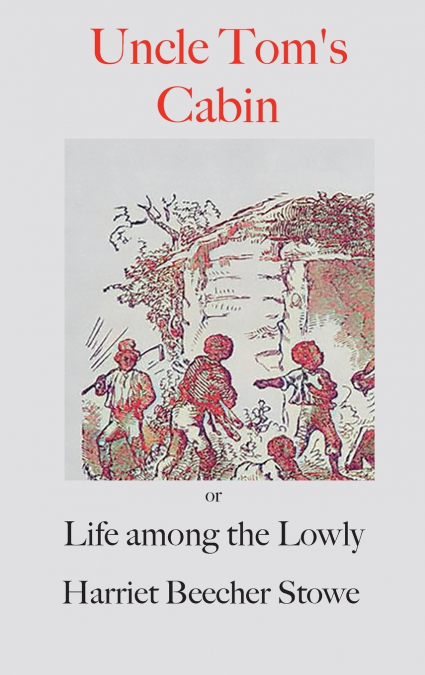
Agnes of Sorrento by Harriet Beecher Stowe is a historical novel set in 16th-century Italy during the time of the Renaissance and the Reformation. The story centers on Agnes, a young, innocent girl raised in a convent on the cliffs of Sorrento. Sheltered from the corruption of the outside world, Agnes represents purity, faith, and moral goodness. Stowe uses this setting and character to explore the contrast between spiritual sincerity and the political and moral decay she believed existed within powerful religious institutions of the time.As Agnes leaves the convent and becomes entangled in the wider world, she encounters influential figures, including the artist Michelangelo and members of the Roman Catholic hierarchy. Through these interactions, Stowe examines themes of religious reform, personal conscience, and the dangers of blind obedience to authority. Agnes’s unwavering faith and moral clarity stand in opposition to the ambition, hypocrisy, and corruption surrounding her, emphasizing Stowe’s belief that true religion should be rooted in personal integrity rather than institutional power.Ultimately, Agnes of Sorrento reflects Harriet Beecher Stowe’s broader concerns about morality, faith, and social responsibility-similar to those found in her more famous work, Uncle Tom’s Cabin. By placing these themes in a historical European context, Stowe invites readers to consider universal questions about good and evil, innocence and corruption, and the role of individual conscience. The novel suggests that genuine goodness, even when quiet and unassuming, has the power to challenge injustice and inspire moral reform.About the AuthorHarriet Beecher Stowe (1811-1896) was an American author, abolitionist, and social reformer best known for her novel Uncle Tom’s Cabin. Born in Litchfield, Connecticut, into a prominent religious family, she was deeply influenced by her father, Lyman Beecher, a well-known Congregationalist minister, and by the strong intellectual environment of her siblings. Education, moral responsibility, and religious faith played a central role in shaping her worldview from an early age.Stowe wrote Uncle Tom’s Cabin in response to the Fugitive Slave Act of 1850, which required escaped enslaved people to be returned to their enslavers. Published in 1852, the novel vividly portrayed the brutal realities of slavery and the humanity of enslaved African Americans, reaching an enormous audience in the United States and abroad. The book had an immediate cultural impact, intensifying anti-slavery sentiment in the North and provoking outrage in the South, and it is often credited with helping to fuel the tensions that led to the American Civil War.Beyond her most famous novel, Stowe was a prolific writer who produced essays, short stories, travel writing, and additional novels addressing social issues such as women’s rights and morality. Though her work has since been criticized for racial stereotypes common to her time, her influence on American literature and social reform remains significant. Harriet Beecher Stowe is remembered as a powerful example of how literature can shape public opinion and inspire social change.