Advancing Personalized Medicine With AI-Driven Microbiome and Nutrigenomics

Advancing Personalized Medicine With AI-Driven Microbiome and Nutrigenomics


288,92 €
IVA incluido
Disponible
Editorial:
IGI Global
Año de edición:
2026
Materia
Genética (no médica)
ISBN:
9798337331225
288,92 €
IVA incluido
Disponible

Selecciona una librería:

  • Librería Samer Atenea

  • Kálamo Books
  • Librería Elías (Asturias)
  • Librería Kolima (Madrid)
  • Librería Proteo (Málaga)

Health and disease are increasingly understood through the lens of interconnected biological systems shaped by host genetics, microbial ecology, nutritional inputs, metabolic regulation, and environmental exposures. Advances in multi-omics technologies and artificial intelligence have accelerated the ability to examine these systems at high resolution, revealing previously obscured patterns that govern immune equilibrium, metabolic stability, and long-term disease susceptibility. As global burdens of cancer, diabetes, inflammatory disorders, and environmental toxicity continue to rise, there is an urgent need for integrative frameworks that move beyond reductionist models and toward predictive, preventive, and personalized approaches. Advancing Personalized Medicine with AI-Driven Microbiome and Nutrigenomics: Innovations and Future Perspectives presents a comprehensive systems-level exploration anchored in the polybiome framework-a model that unifies microbial fermentomics, nutrigenomic modulation, immunometabolic regulation, and environmental interactions. The volume introduces NexDi, an AI-enabled diabetes reclassification system based on extensive cohort data, illustrating how multi-omics integration can predict metabolic instability and β-cell vulnerability before clinical manifestation. Additional chapters extend this framework to oncological microenvironments, immune-microbial signaling networks, precision nutrition algorithms, engineered microbial consortia, and ethical governance in AI-driven healthcare. This reference is designed for researchers, clinicians, data scientists, and policymakers seeking rigorous methodologies and translational insights to advance personalized medicine, chronic disease prevention, and biointelligent health systems.

Artículos relacionados

  • Bioactive Compounds Of Jaboticaba (Plinia Sp.)
    Flávio Alves Da Silva / Nara Rúbia Rodrigues Do Nascimento-Silva / Rodrigo Barbosa Monteiro Cavalcante
    The Whole Jaboticaba Fruit Stood Out For Its High Levels Of Total Polyphenols, Mainly Anthocyanins (Cyanidin And Delphinidin), Ellagic Acid, Methylellagic Acid, Gallic Acid, Myricetin, Quercetin, Castalagin, Pedunculagin And Vescalagin. When Evaluating The Behavior Of These Compounds After In Vitro Digestion, It Is Observed That Anthocyanins Did Not Suffer As Much In The Saliva...
  • Obesidad, genética y entorno. El papel de la flexibilidad metabólica
    Fundación alimentación saludable
    Afortunadamente, gracias a la investigación, somos más conscientes de que la obesidad no es una patología que se deba en exclusiva a la desidia ola falta de voluntad del sujeto y que los mensajes de culpabilidad o estigmatización hacia los pacientes no sólo no ayudan a poner freno al sobrepeso, sino que pueden perjudicar seriamente su salud mental. También sabemos, y esto es mu...
    Disponible

    20,00 €

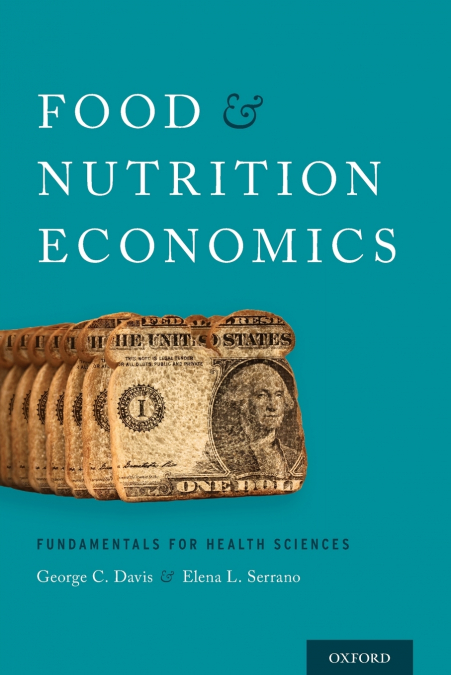
  • FOOD AND NUTRITION ECONOMICS P
    GEORGE C DAVIS
    ...
    Disponible

    125,42 €

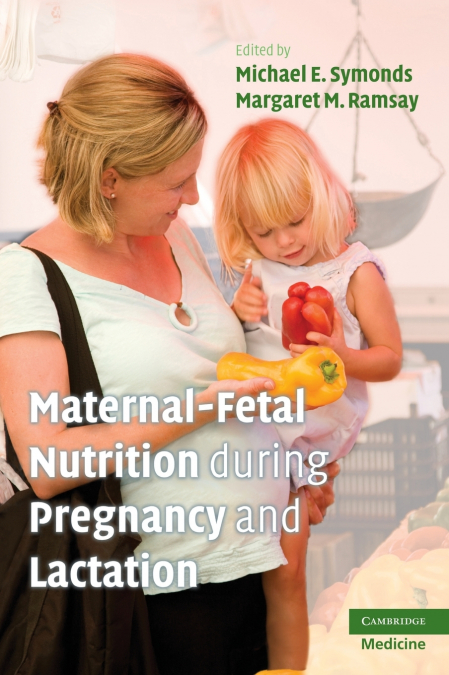
  • Maternal-Fetal Nutrition During Pregnancy and Lactation
    ...
  • The Myths About Nutrition Science
    David Lightsey
    The Myths About Nutrition Science provides an authoritative, yet readily understandable, overview of the common misunderstandings that are commonplace within consumer or athletic communities regarding the food production process and nutrition science, which may affect their physical development, performance, and long-term health ...
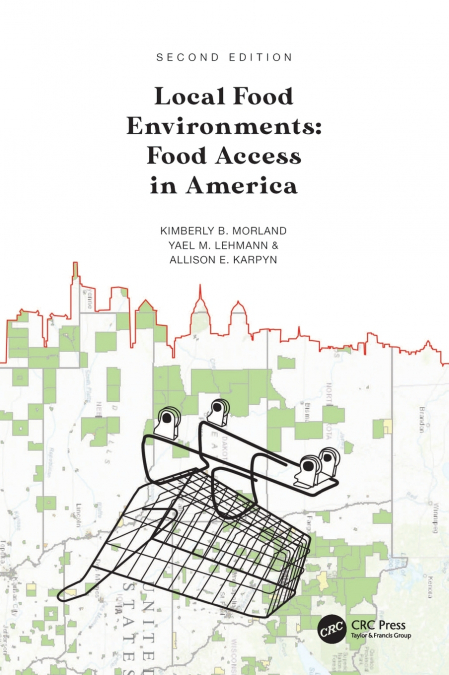
  • Local Food Environments
    Allison E. Karpyn / Kimberly B. Morland / Yael M. Lehmann
    This second edition contains four sections including (1) disparities between local food environments in the United States; (2) effect of restricted local food environments on dietary intake; (3) interventions to local food environment and their impact on communities; and (d) macro-level influence on the development of local food environments. ...