
Inicio > Medicina > Medicina: cuestiones generales > > Investigación médica > Advances in Nutritional Research Volume 10
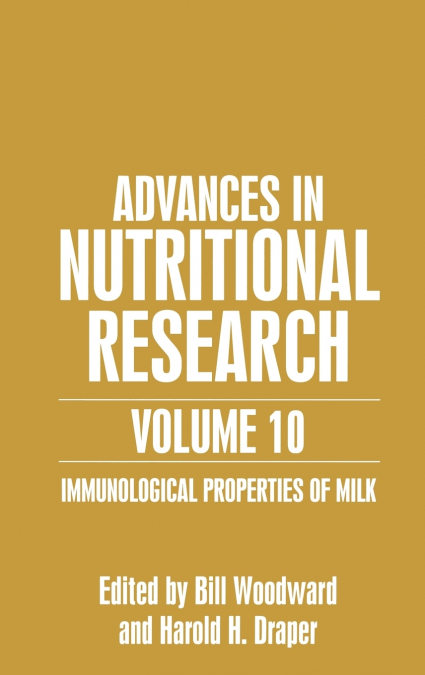
Advances in Nutritional Research Volume 10

Advances in Nutritional Research Volume 10


205,62 €
IVA incluido
Consulta disponibilidad
Editorial:
Springer Nature B.V.
Año de edición:
2001
Materia
Investigación médica
ISBN:
9780306466038

Selecciona una librería:

  • Librería Samer Atenea
  • Librería Aciertas (Toledo)
  • Kálamo Books
  • Librería Perelló (Valencia)
  • Librería Elías (Asturias)
  • Donde los libros
  • Librería Kolima (Madrid)
  • Librería Proteo (Málaga)

This volume of Advances in Nutritional Research focuses on colostrum and milk as agents of defense against infection both for the suckling offspring and for the lactating mammary gland. The scope of the volume includes positive and negative influences of the consumption of mother’s milk on the risk of infec­ tion, immunobiological roles of individual milk components, activities of milk and its components in promoting development of neonatal immunocompetence, the potential of milk and its components as therapeutic agents and as functional foods that support immune competence, and external influences that determine the immunological activity of milk. The volume is intended to provide a critical assessment of the limits of available information pertaining to humans and animals, together with authoritative comment regarding newer directions and unproven ideas. Part I provides a foundation for the volume. Readers unfamiliar with immunology will find, in Chapter 1, a selective outline of the anatomy and ontogeny of the mammalian immune system and of the types and regulation of immune defenses in mammals. Some emphasis is given to the place of the mammary gland within the common mucosal defense system, and to important species peculiarities in this regard. Chapter 2 is an authoritative and forward­ looking perspective on the development of knowledge pertaining to the immuno­ biology of milk as a fluid with both anti-infectious and anti-inflammatory roles. The chapter poses the provocative possibility of a tolerogenic role for milk.
Artículos relacionados

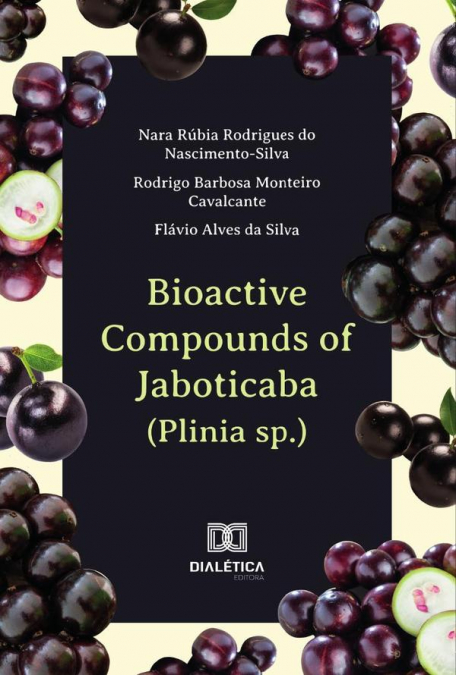
  • Bioactive Compounds Of Jaboticaba (Plinia Sp.)
    Flávio Alves Da Silva / Nara Rúbia Rodrigues Do Nascimento-Silva / Rodrigo Barbosa Monteiro Cavalcante
    The Whole Jaboticaba Fruit Stood Out For Its High Levels Of Total Polyphenols, Mainly Anthocyanins (Cyanidin And Delphinidin), Ellagic Acid, Methylellagic Acid, Gallic Acid, Myricetin, Quercetin, Castalagin, Pedunculagin And Vescalagin. When Evaluating The Behavior Of These Compounds After In Vitro Digestion, It Is Observed That Anthocyanins Did Not Suffer As Much In The Saliva...
    Disponible

    11,96 €

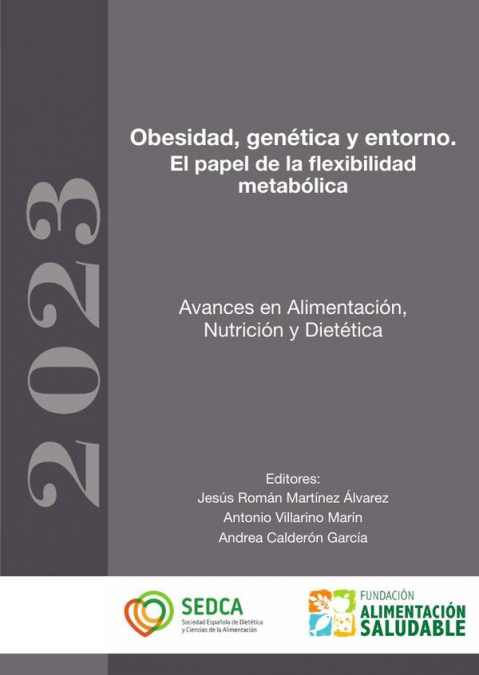
  • Obesidad, genética y entorno. El papel de la flexibilidad metabólica
    Fundación alimentación saludable
    Afortunadamente, gracias a la investigación, somos más conscientes de que la obesidad no es una patología que se deba en exclusiva a la desidia ola falta de voluntad del sujeto y que los mensajes de culpabilidad o estigmatización hacia los pacientes no sólo no ayudan a poner freno al sobrepeso, sino que pueden perjudicar seriamente su salud mental. También sabemos, y esto es mu...
    Disponible

    20,00 €

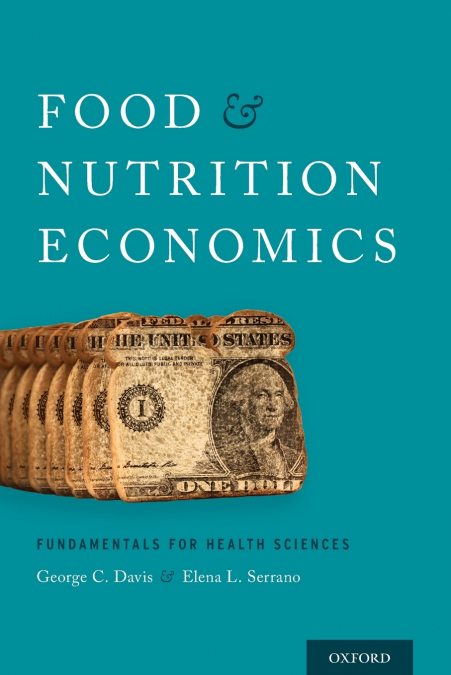
  • FOOD AND NUTRITION ECONOMICS P
    GEORGE C DAVIS
    ...
    Disponible

    118,89 €

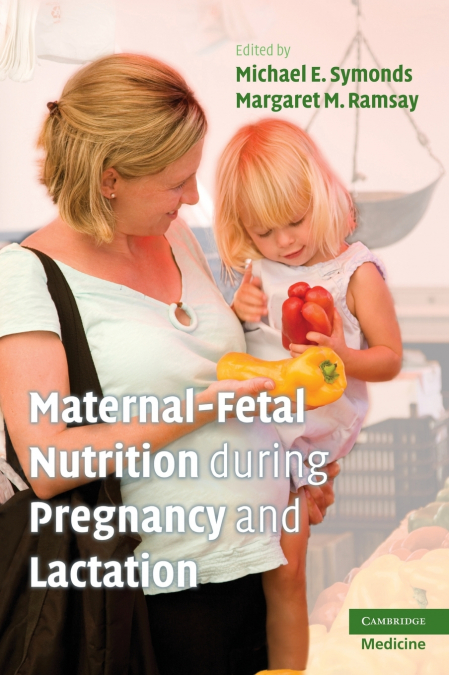
  • Maternal-Fetal Nutrition During Pregnancy and Lactation
    ...
  • The Myths About Nutrition Science
    David Lightsey
    The Myths About Nutrition Science provides an authoritative, yet readily understandable, overview of the common misunderstandings that are commonplace within consumer or athletic communities regarding the food production process and nutrition science, which may affect their physical development, performance, and long-term health ...
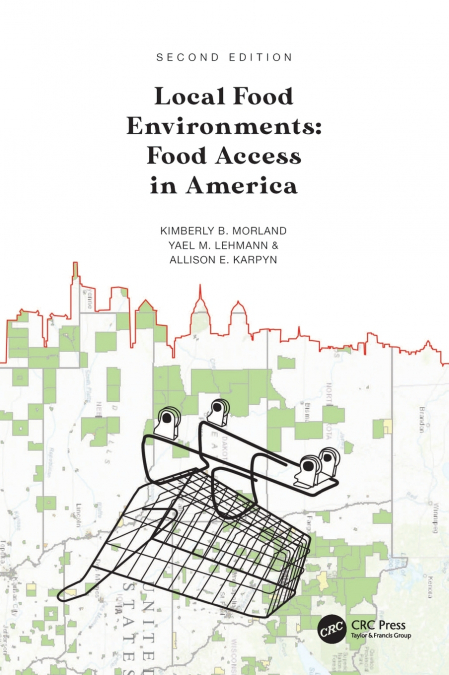
  • Local Food Environments
    Allison E. Karpyn / Kimberly B. Morland / Yael M. Lehmann
    This second edition contains four sections including (1) disparities between local food environments in the United States; (2) effect of restricted local food environments on dietary intake; (3) interventions to local food environment and their impact on communities; and (d) macro-level influence on the development of local food environments. ...