Advances in Clinical Nutrition

Advances in Clinical Nutrition

I.D.A. Johnston

65,20 €
IVA incluido
Disponible
Editorial:
Springer Nature B.V.
Año de edición:
2012
Materia
Bioquímica
ISBN:
9789401159203
65,20 €
IVA incluido
Disponible

Selecciona una librería:

  • Librería Samer Atenea
  • Librería Aciertas (Toledo)
  • Kálamo Books
  • Librería Perelló (Valencia)
  • Librería Elías (Asturias)
  • Donde los libros
  • Librería Kolima (Madrid)
  • Librería Proteo (Málaga)

The advent of any new and effective therapy is soon followed by large numbers of publications in which the indications and benefits are explored critically. It is not unexpected, therefore, that within five years of the first Bermuda Symposium on advances in parenteral nutrition that a second Symposium was considered appropriate to review progress and explore new areas of investigation, as well as enlarging the scope of the meeting to include enteral nutrition. The rate of progress can be judged by the number of subjects which were not discussed at the first Symposium. For example, home parenteral nutrition, computer assisted assessment and prescribing, Studies of body protein synthesis and breakdown and the role of branched-chain amino acids are all new subjects for this Symposium which were not covered at all in the first meeting. Much progress has also been made to our understanding of the biochemi­ cal complications of parenteral nutrition and the problems related to long term access to the circulation. Nutritional care has become safer and more effective. There is an increasing awareness of the difficulties in making a true nutritional assessment in selecting patients for total parenteral nutrition and more attention has also been focussed on different approaches to enteral support in the management of undernourished patients. There is also continuing debate on the cost effectiveness of this expensive method of treatment and critics look in vain for evidence of efficacy based on controlled trials in specific groups of patients.
Artículos relacionados

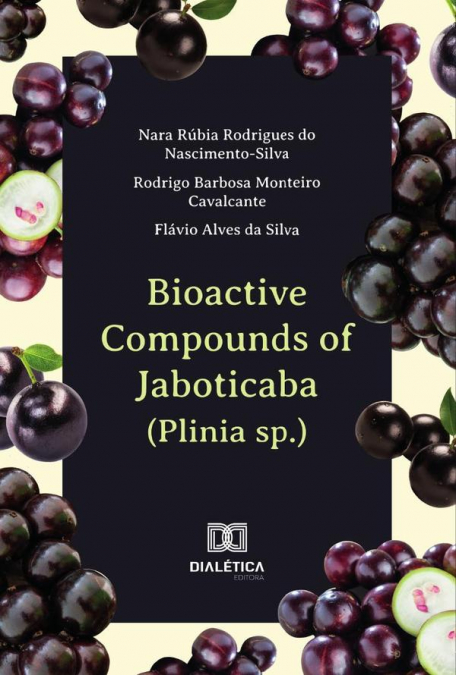
  • Bioactive Compounds Of Jaboticaba (Plinia Sp.)
    Flávio Alves Da Silva / Nara Rúbia Rodrigues Do Nascimento-Silva / Rodrigo Barbosa Monteiro Cavalcante
    The Whole Jaboticaba Fruit Stood Out For Its High Levels Of Total Polyphenols, Mainly Anthocyanins (Cyanidin And Delphinidin), Ellagic Acid, Methylellagic Acid, Gallic Acid, Myricetin, Quercetin, Castalagin, Pedunculagin And Vescalagin. When Evaluating The Behavior Of These Compounds After In Vitro Digestion, It Is Observed That Anthocyanins Did Not Suffer As Much In The Saliva...
    Disponible

    11,96 €

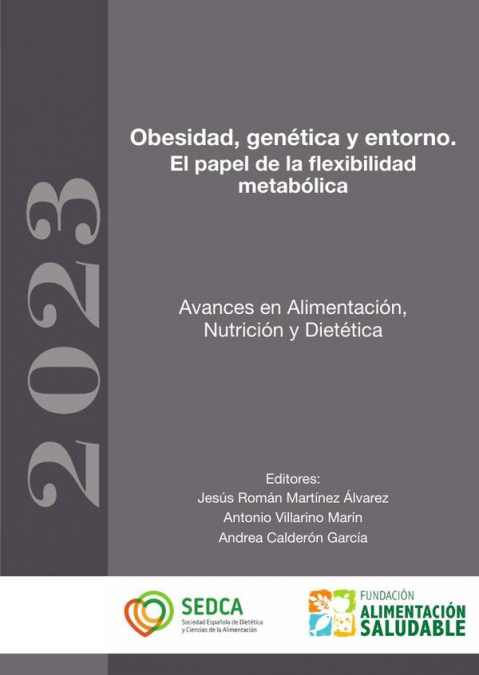
  • Obesidad, genética y entorno. El papel de la flexibilidad metabólica
    Fundación alimentación saludable
    Afortunadamente, gracias a la investigación, somos más conscientes de que la obesidad no es una patología que se deba en exclusiva a la desidia ola falta de voluntad del sujeto y que los mensajes de culpabilidad o estigmatización hacia los pacientes no sólo no ayudan a poner freno al sobrepeso, sino que pueden perjudicar seriamente su salud mental. También sabemos, y esto es mu...
    Disponible

    20,00 €

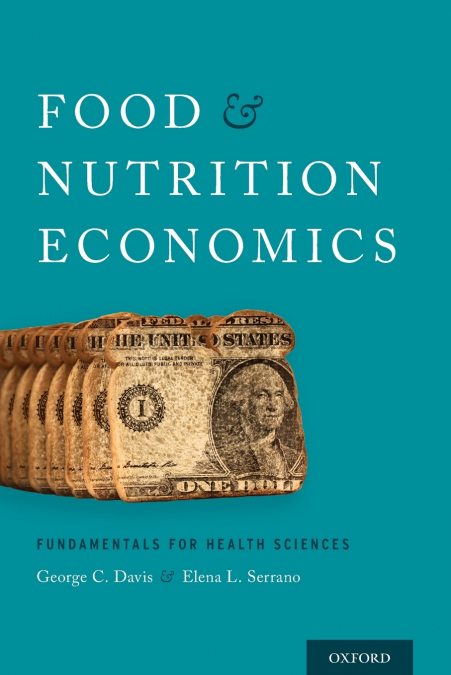
  • FOOD AND NUTRITION ECONOMICS P
    GEORGE C DAVIS
    ...
    Disponible

    118,89 €

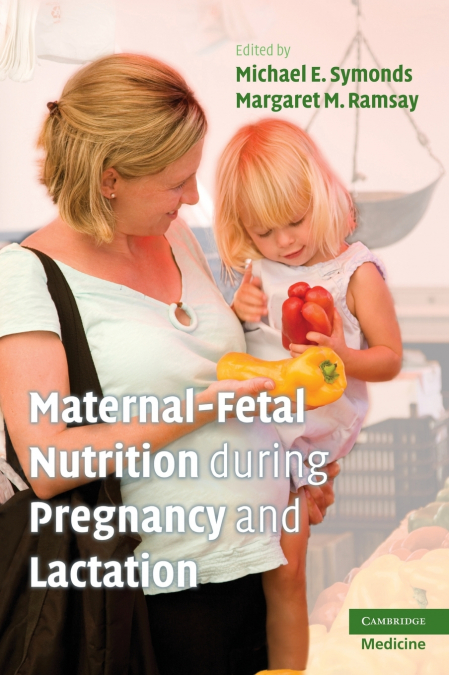
  • Maternal-Fetal Nutrition During Pregnancy and Lactation
    ...
  • The Myths About Nutrition Science
    David Lightsey
    The Myths About Nutrition Science provides an authoritative, yet readily understandable, overview of the common misunderstandings that are commonplace within consumer or athletic communities regarding the food production process and nutrition science, which may affect their physical development, performance, and long-term health ...
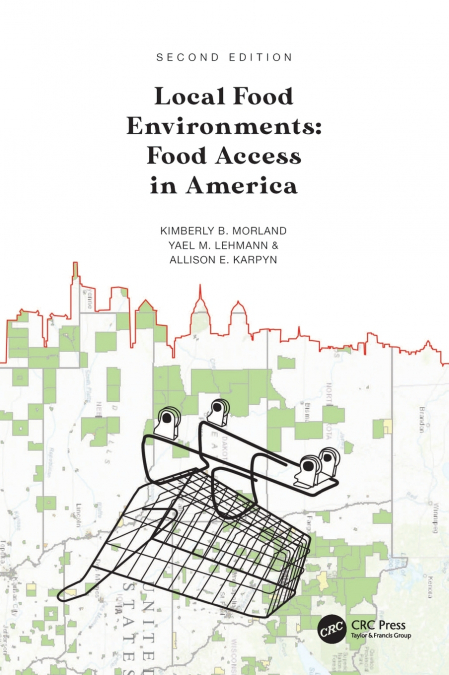
  • Local Food Environments
    Allison E. Karpyn / Kimberly B. Morland / Yael M. Lehmann
    This second edition contains four sections including (1) disparities between local food environments in the United States; (2) effect of restricted local food environments on dietary intake; (3) interventions to local food environment and their impact on communities; and (d) macro-level influence on the development of local food environments. ...