Aurora Martínez Romero / Jesus Alba Romero / José Luis Ortega Sanchez
 Librería Samer Atenea
 Kálamo Books
 Librería Elías (Asturias)
 Librería Kolima (Madrid)
 Librería Proteo (Málaga)
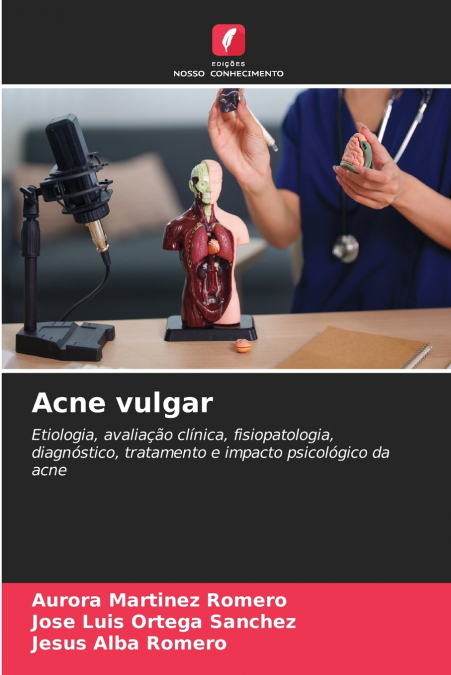
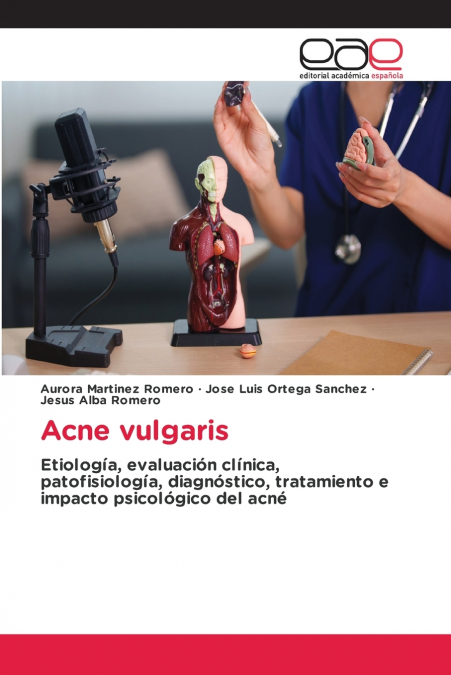
Acne vulgaris is one of the most prevalent chronic inflammatory skin diseases worldwide, characterized by marked clinical heterogeneity, a fluctuating course, and high sensitivity to environmental and lifestyle factors. It is a multifactorial condition related to diet, hormonal changes, genetics, cosmetics, medication, and emotions. The persistent inflammation caused by acne vulgaris can lead to hyperpigmentation and scarring, which can have serious consequences for adults. This can affect patients’ mental health, leading to feelings of inferiority, depression, and even social isolation. The objective of this study was to investigate the etiology, clinical course, pathophysiology, diagnosis, and treatment of acne. Clinical acne lesions develop through several stages, generally beginning with androgenic stimulation of the sebaceous glands, during puberty, when androgens from the testes, ovaries, and adrenal glands stimulate the growth of the sebaceous glands and increase sebum production.