Inicio > Sociedad y ciencias sociales > Educación pedagogía > Academic Writing in the Age of Artificial Intelligence
Academic Writing in the Age of Artificial Intelligence

Academic Writing in the Age of Artificial Intelligence

Tofan Stofiana

62,24 €
IVA incluido
Disponible
Editorial:
Eliva Press
Año de edición:
2025
Materia
Educación pedagogía
ISBN:
9789999334778
62,24 €
IVA incluido
Disponible

Selecciona una librería:

  • Librería Samer Atenea

  • Kálamo Books
  • Librería Elías (Asturias)
  • Librería Kolima (Madrid)
  • Librería Proteo (Málaga)

Academic writing in higher education is increasingly shaped by the presence of artificial intelligence. While digital tools offer efficiency and technical support, they also raise fundamental questions about thinking, epistemic responsibility, and the educational value of writing itself. Writing can no longer be assumed to function automatically as evidence of reasoning. This book addresses that challenge by reexamining academic writing as a regulated epistemic practice in technologically mediated learning environments.Academic writing in higher education is increasingly shaped by the presence of artificial intelligence. While digital tools offer efficiency and technical support, they also raise fundamental questions about thinking, epistemic responsibility, and the educational value of writing itself. Writing can no longer be assumed to function automatically as evidence of reasoning. This book addresses that challenge by reexamining academic writing as a regulated epistemic practice in technologically mediated learning environments.This monograph introduces the TULIS Model, an instructional framework designed to support argumentative writing through the regulation of academic reasoning. Drawing on argumentation theory, metacognitive research, and educational design research, the model conceptualises writing as a sequence of epistemic decisions involving planning, monitoring, and evaluation. Rather than focusing on textual form alone, the TULIS Model foregrounds how writers manage claims, evidence, inference, and rebuttal across stages of writing.A distinctive contribution of the book lies in its dialogic framing of artificial intelligence. AI is positioned not as a procedural writing tool but as a dialogic partner that can stimulate reflection when integrated within metacognitive regulation. The book demonstrates how human agency and epistemic ownership can be preserved through instructional design that makes thinking visible and discussable.The chapters integrate theoretical discussion with classroom based illustration, showing how students’ argument quality and regulation of thinking evolve through sustained engagement with the model.

Artículos relacionados

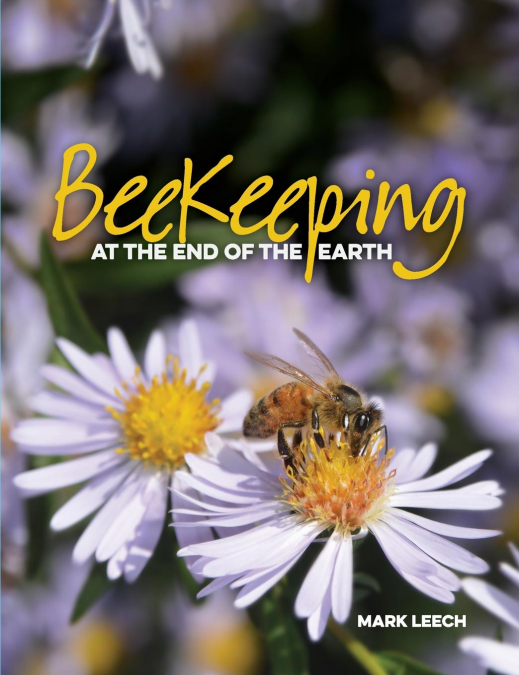
  • Beekeeping At The End Of The Earth
    Mark David Leech
    Beekeeping at the End of the Earth, an essential read for learning about beekeeping in a cool temperate climate with a focus on Tasmania our island home.  One hundred beekeepers one hundred different ways to keep bees.Beekeeping At The End Of The Earth is a practical insight into cool climate beekeeping with a focus on Tasmania, our island home.Richly illustrated with unique di...
    Disponible

    45,16 €

  • Be the One for Kids
    Ryan Sheehy
    One person can make a difference.That person can be you. “I want to show others that one person can make the difference in a child’s life. I want all educators, parents, coaches, and everyone in between to know they have power to Be the One for Kids.” —Ryan Sheehy If you ever feel like you’re all alone or think that no one gets you, just imagine how your students feel. Kids wan...
    Disponible

    27,99 €

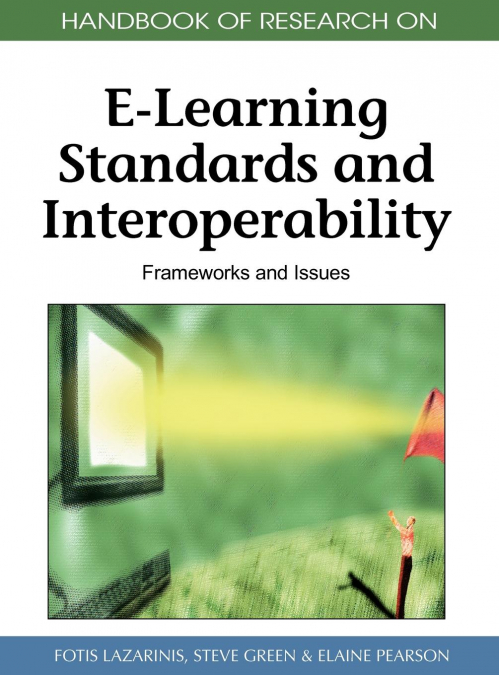
  • Handbook of Research on E-Learning Standards and Interoperability
    As the e-learning industry continues to expand and the methods and tools necessary to create and maintain content and infrastructure applications become more complicated, there is an inherent need for these applications to interoperate and exchange data in order to better support the needs of learners and educators. Handbook of Research on E-Learning Standards and Interoperabil...
  • Teaching in the Knowledge Society
    Antonio Cartelli
    ...
  • Enhancing Learning Through Human Computer Interaction
    Elspeth McKay
    ...
  • Learning Objects for Instruction
    Pamela Taylor Northrup
    ...

Otros libros del autor

  • Ai and Epistemic Responsibility
    Tofan Stofiana
    The rapid integration of artificial intelligence into education has profoundly reshaped how writing, learning, and knowledge production are carried out. Amid the growing enthusiasm for AI-supported writing practices, a more fundamental set of questions often remains insufficiently examined: who is actually thinking, who is making epistemic decisions, and who bears responsibilit...
    Disponible

    48,99 €