Inicio > Sociedad y ciencias sociales > Sociedad y cultura: general > Grupos sociales > Estudios étnicos > A Researcher’s Guide to Sources on Soviet Social History in the 1930s
A Researcher’s Guide to Sources on Soviet Social History in the 1930s

A Researcher’s Guide to Sources on Soviet Social History in the 1930s

Lynne Viola / Sheila Fitzpatrick

52,66 €
IVA incluido
Disponible
Editorial:
Taylor & Francis Ltd
Año de edición:
2006
Materia
Estudios étnicos
ISBN:
9781563240782
52,66 €
IVA incluido
Disponible

Selecciona una librería:

  • Librería Samer Atenea
  • Librería Aciertas (Toledo)
  • Kálamo Books
  • Librería Perelló (Valencia)
  • Librería Elías (Asturias)
  • Donde los libros
  • Librería Kolima (Madrid)
  • Librería Proteo (Málaga)

The Stalin era has been less accessible to researchers than either the preceding decade or the postwar era. The basic problem is that during the Stalin years censorship restricted the collection and dissemination of information (and introduced bias and distortion into the statistics that were published), while in the post-Stalin years access to archives and libraries remained tightly controlled. Thus it is not surprising that one of the main manifestations of glasnost has been the effort to open up records of the 1930s. In this volume Western and Soviet specialists detail the untapped potential of sources on this period of Soviet social history and also the hidden traps that abound. The full range of sources is covered, from memoirs to official documents, from city directories to computerized data bases.
Artículos relacionados

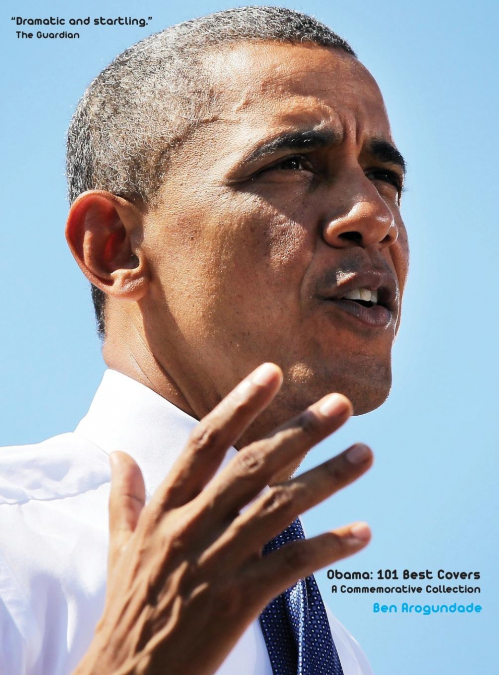
  • Barack Obama
    Ben Arogundade
    Dramatic and startling — The GuardianWitness Barack Obama as you’ve never seen him before — as feminist, communist, fashion model, Jew, Muslim terrorist, Messiah, Superman, George Washington, President Roosevelt, Julius Caesar and Hindu deity Lord Shiva.Obama: 101 Best Covers shows America’s ex-president in all these guises and more, on the front pages of the world’s leading pr...
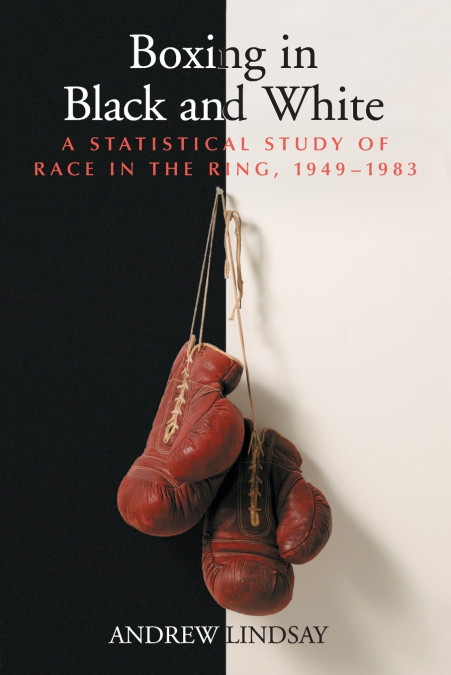
  • Boxing in Black and White
    Andrew Lindsay
    Professional sports in America offer numerous examples of equal opportunity and broken down racial barriers. These developments call for pride and celebration. Yet skin color continues to have an influence in how Americans experience sport. From Al Campanis’ statement about the under-representation of blacks in baseball front offices to the almost exclusively white ownership...
    Disponible

    42,71 €

  • Merengue and Dominican Identity
    Julie A. Sellers
    The merengue is internationally recognized as the Dominican Republic’s national dance. It is an integral and unifying element of Dominican identity both within that nation and among emigrants abroad. Although Dominicans often make the claim that merengue has always been in their blood, the dance is relatively young, and its popularity among Dominicans of all social classes a...
    Disponible

    42,81 €

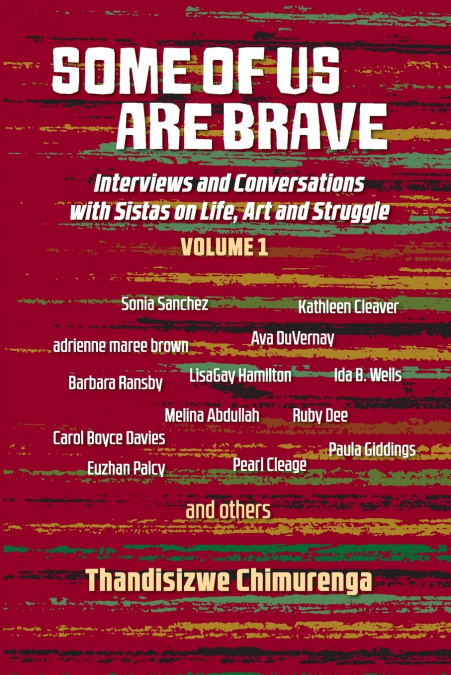
  • Some Of Us Are Brave (Vol 1)
    Thandisizwe Chimurenga
    A society born of white supremacy and patriarchy must, by definition, ignore the voices of Black women. We know that unfortunately, such an attitude will also naturally seep into every stratum of that societyPart of the contribution to correct that was the centering and airing of Black women’s voices through Some of Us Are Brave: A Black Women’s Radio Program that aired on Paci...
    Disponible

    23,12 €

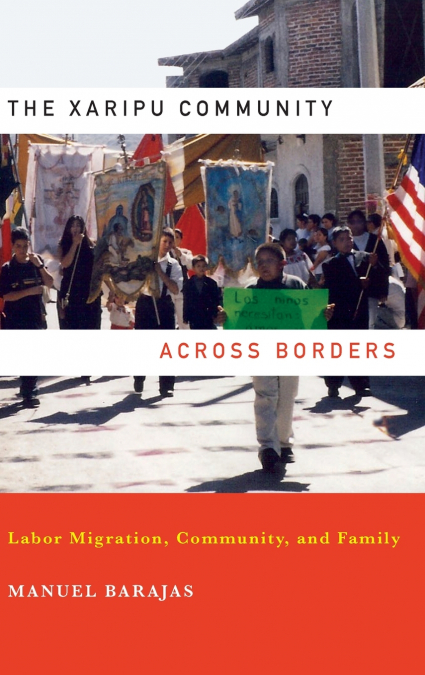
  • The Xaripu Community across Borders
    Manuel Barajas
    The Xaripu Community across Borders presents the first cross-national, comparative study that examines a Mexican-origin community’s experience with international migration and transnationalism. ...
  • Immigration and the Border
    Contributors address immigration and border politics and policies, focusing on the fourth wave of immigration and the lives of Mexican and Latino immigrants. ...

Otros libros del autor

  • A Researcher’s Guide to Sources on Soviet Social History in the 1930s
    Lynne Viola / Sheila Fitzpatrick
    The Stalin era has been less accessible to researchers than either the preceding decade or the postwar era. The basic problem is that during the Stalin years censorship restricted the collection and dissemination of information (and introduced bias and distortion into the statistics that were published), while in the post-Stalin years access to archives and libraries remained t...