
Inicio > Ciencias de la tierra, geografía, medioambiente, planificación > Geografía > Geografía humana > A National Strategy to Reduce Food Waste at the Consumer Level
A National Strategy to Reduce Food Waste at the Consumer Level

A National Strategy to Reduce Food Waste at the Consumer Level

AA.VV

63,39 €
IVA incluido
Disponible
Editorial:
National Academies Press
Año de edición:
2020
Materia
Geografía humana
ISBN:
9780309680738
63,39 €
IVA incluido
Disponible

Selecciona una librería:

  • Librería Samer Atenea
  • Librería Aciertas (Toledo)
  • Kálamo Books
  • Librería Perelló (Valencia)
  • Librería Elías (Asturias)
  • Donde los libros
  • Librería Kolima (Madrid)
  • Librería Proteo (Málaga)

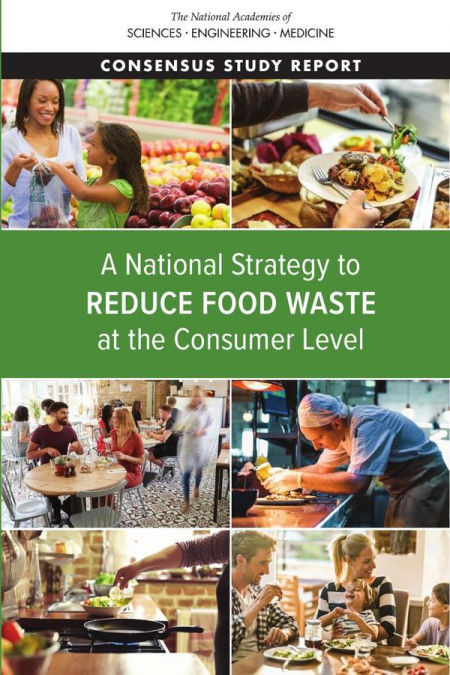
Approximately 30 percent of the edible food produced in the United States is wasted and a significant portion of this waste occurs at the consumer level. Despite food’s essential role as a source of nutrients and energy and its emotional and cultural importance, U.S. consumers waste an estimated average of 1 pound of food per person per day at home and in places where they buy and consume food away from home. Many factors contribute to this waste—consumers behaviors are shaped not only by individual and interpersonal factors but also by influences within the food system, such as policies, food marketing and the media. Some food waste is unavoidable, and there is substantial variation in how food waste and its impacts are defined and measured. But there is no doubt that the consequences of food waste are severe: the wasting of food is costly to consumers, depletes natural resources, and degrades the environment. In addition, at a time when the COVID-19 pandemic has severely strained the U.S. economy and sharply increased food insecurity, it is predicted that food waste will worsen in the short term because of both supply chain disruptions and the closures of food businesses that affect the way people eat and the types of food they can afford.A National Strategy to Reduce Food Waste at the Consumer Level identifies strategies for changing consumer behavior, considering interactions and feedbacks within the food system. It explores the reasons food is wasted in the United States, including the characteristics of the complex systems through which food is produced, marketed, and sold, as well as the many other interconnected influences on consumers’ conscious and unconscious choices about purchasing, preparing, consuming, storing, and discarding food. This report presents a strategy for addressing the challenge of reducing food waste at the consumer level from a holistic, systems perspective.

Artículos relacionados

  • Bioactive Compounds Of Jaboticaba (Plinia Sp.)
    Flávio Alves Da Silva / Nara Rúbia Rodrigues Do Nascimento-Silva / Rodrigo Barbosa Monteiro Cavalcante
    The Whole Jaboticaba Fruit Stood Out For Its High Levels Of Total Polyphenols, Mainly Anthocyanins (Cyanidin And Delphinidin), Ellagic Acid, Methylellagic Acid, Gallic Acid, Myricetin, Quercetin, Castalagin, Pedunculagin And Vescalagin. When Evaluating The Behavior Of These Compounds After In Vitro Digestion, It Is Observed That Anthocyanins Did Not Suffer As Much In The Saliva...
    Disponible

    11,96 €

  • Obesidad, genética y entorno. El papel de la flexibilidad metabólica
    Fundación alimentación saludable
    Afortunadamente, gracias a la investigación, somos más conscientes de que la obesidad no es una patología que se deba en exclusiva a la desidia ola falta de voluntad del sujeto y que los mensajes de culpabilidad o estigmatización hacia los pacientes no sólo no ayudan a poner freno al sobrepeso, sino que pueden perjudicar seriamente su salud mental. También sabemos, y esto es mu...
    Disponible

    20,00 €

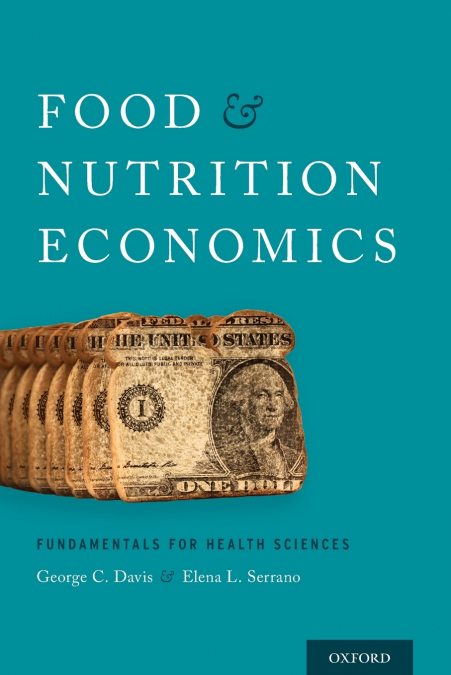
  • FOOD AND NUTRITION ECONOMICS P
    GEORGE C DAVIS
    ...
    Disponible

    118,89 €

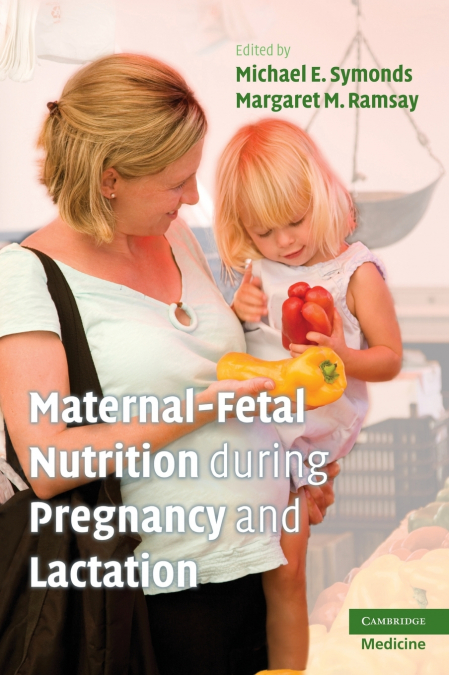
  • Maternal-Fetal Nutrition During Pregnancy and Lactation
    ...
  • The Myths About Nutrition Science
    David Lightsey
    The Myths About Nutrition Science provides an authoritative, yet readily understandable, overview of the common misunderstandings that are commonplace within consumer or athletic communities regarding the food production process and nutrition science, which may affect their physical development, performance, and long-term health ...
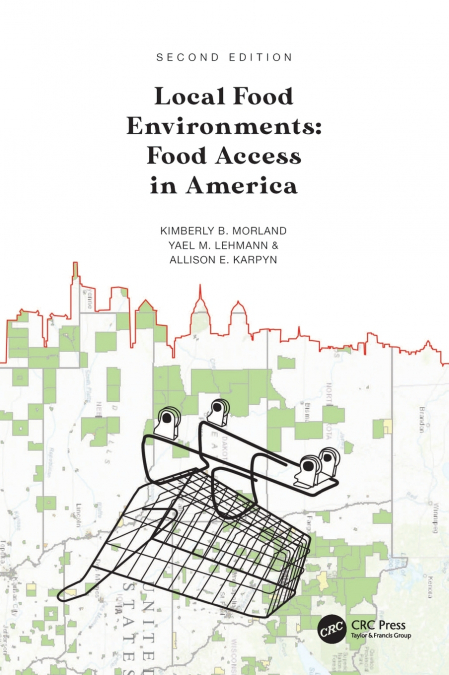
  • Local Food Environments
    Allison E. Karpyn / Kimberly B. Morland / Yael M. Lehmann
    This second edition contains four sections including (1) disparities between local food environments in the United States; (2) effect of restricted local food environments on dietary intake; (3) interventions to local food environment and their impact on communities; and (d) macro-level influence on the development of local food environments. ...