
Inicio > Tecnología, ingeniería, agricultura > Agricultura y explotación agropecuaria > A Framework for Assessing Effects of the Food System
A Framework for Assessing Effects of the Food System

A Framework for Assessing Effects of the Food System

AA.VV

70,67 €
IVA incluido
Disponible
Editorial:
National Academies Press
Año de edición:
2015
Materia
Agricultura y explotación agropecuaria
ISBN:
9780309307802
70,67 €
IVA incluido
Disponible

Selecciona una librería:

  • Librería Samer Atenea
  • Librería Aciertas (Toledo)
  • Kálamo Books
  • Librería Perelló (Valencia)
  • Librería Elías (Asturias)
  • Donde los libros
  • Librería Kolima (Madrid)
  • Librería Proteo (Málaga)

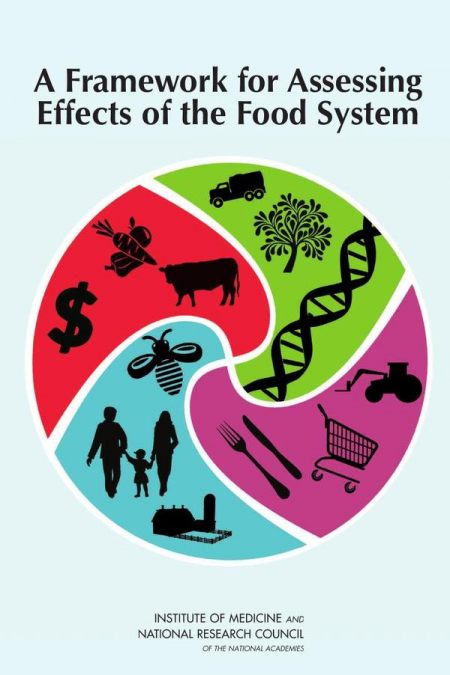
How we produce and consume food has a bigger impact on Americans’ well-being than any other human activity. The food industry is the largest sector of our economy; food touches everything from our health to the environment, climate change, economic inequality, and the federal budget. From the earliest developments of agriculture, a major goal has been to attain sufficient foods that provide the energy and the nutrients needed for a healthy, active life. Over time, food production, processing, marketing, and consumption have evolved and become highly complex. The challenges of improving the food system in the 21st century will require systemic approaches that take full account of social, economic, ecological, and evolutionary factors. Policy or business interventions involving a segment of the food system often have consequences beyond the original issue the intervention was meant to address. A Framework for Assessing Effects of the Food System develops an analytical framework for assessing effects associated with the ways in which food is grown, processed, distributed, marketed, retailed, and consumed in the United States. The framework will allow users to recognize effects across the full food system, consider all domains and dimensions of effects, account for systems dynamics and complexities, and choose appropriate methods for analysis. This report provides example applications of the framework based on complex questions that are currently under debate: consumption of a healthy and safe diet, food security, animal welfare, and preserving the environment and its resources. A Framework for Assessing Effects of the Food System describes the U.S. food system and provides a brief history of its evolution into the current system. This report identifies some of the real and potential implications of the current system in terms of its health, environmental, and socioeconomic effects along with a sense for the complexities of the system, potential metrics, and some of the data needs that are required to assess the effects. The overview of the food system and the framework described in this report will be an essential resource for decision makers, researchers, and others to examine the possible impacts of alternative policies or agricultural or food processing practices.
Artículos relacionados

  • Australia and the Origins of Agriculture
    Rupert Gerritsen
    In this work the author explores issues of the origin of agriculture in Australia such as the “failure” of agriculture to develop indigenously, and its “failure” to diffuse into Australia, despite contact with Indonesian (Macassan) agriculturalists or New Guinean horticulturalists. Although not always explicitly stated or recognised, significant differences probably exist in th...
    Disponible

    106,78 €

  • Microbial Cultures and Enzymes in Dairy Technology
    Microorganisms are an integral part of the fermentation process in food products and help to improve sensory and textural properties of the products. As such, it is vital to explore the current uses of microorganisms in the dairy industry. Microbial Cultures and Enzymes in Dairy Technology is a critical scholarly resource that explores multidisciplinary uses of cultures and enz...
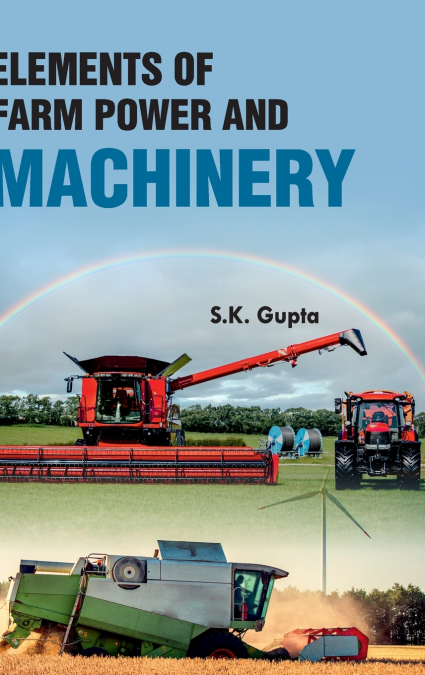
  • Elements of Farm Power and Machinery
    S K Gupta
    Farm mechanization has played a vital role in increasing production, productivity and profitability of farm enterprise. It is mainly attributed to timeliness in farm operations and reduction in application of various inputs through their precise metering, application and higher use efficiencies. Being one of the most important elements of modern agriculture, farm power and mach...
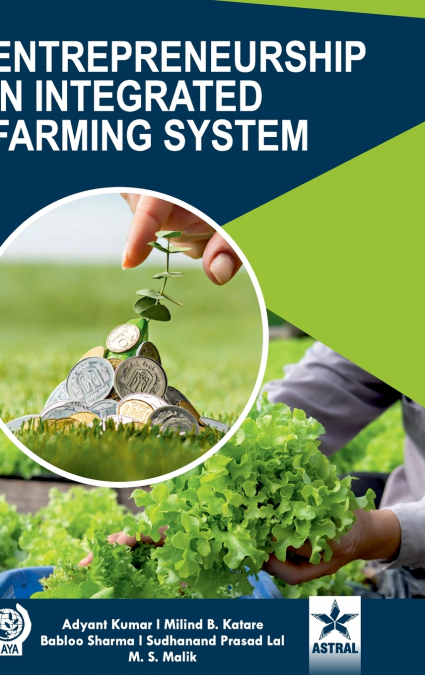
  • Entrepreneurship in Integrated Farming System
    The book deals with the essential information regarding entrepreneurial development of integrated farming system models throughout the country, where agriculture and allied components are extensively presented under the same umbrella in a sustainable way. This book will be of immense use in imparting knowledge on diversified and suitable IFS models based research findings and p...
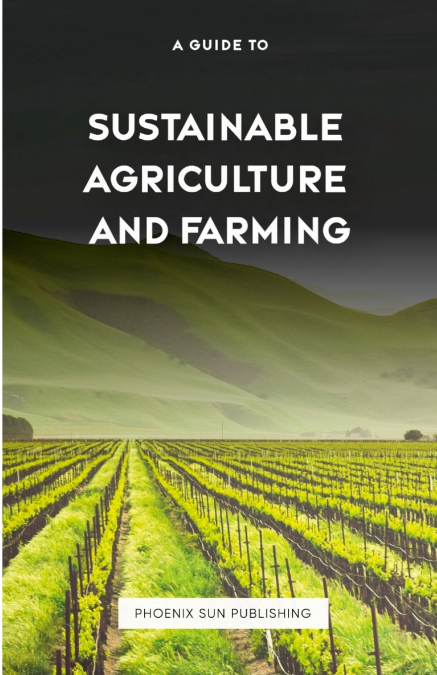
  • The Guide to Sustainable Agriculture and Farming
    PS Publishing
    'The Guide to Sustainable Agriculture and Farming' is an essential resource for anyone interested in sustainable and regenerative farming practices. From understanding the environmental and social impacts of conventional agriculture to exploring innovative solutions for sustainable farming, this book offers a comprehensive and inspiring guide to creating a healthier and more su...
    Disponible

    14,06 €

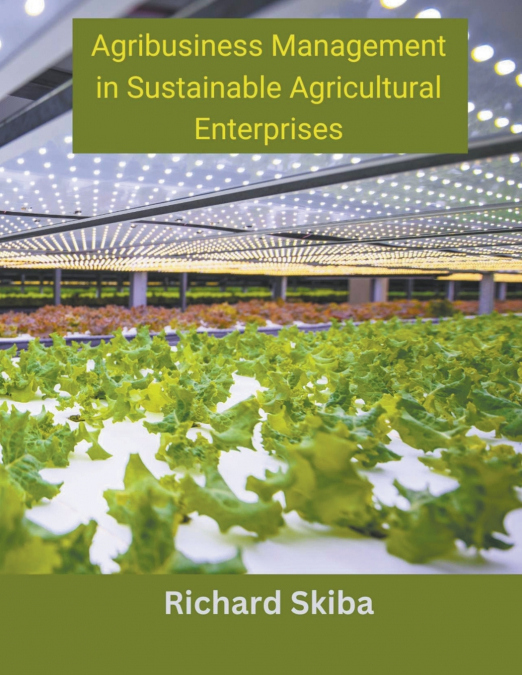
  • Agribusiness Management in Sustainable Agricultural Enterprises
    Richard Skiba
    This book provides a comprehensive overview of sustainable agriculture practices and strategies aimed at improving land use, implementing renewable energy and recycling systems, managing climate risks, developing workplace policies for sustainability, and applying effective agribusiness management practices.Part 1 introduces various approaches to sustainable agriculture, includ...
    Disponible

    30,41 €