 Librería Samer Atenea
 Kálamo Books
 Librería Elías (Asturias)
 Librería Kolima (Madrid)
 Librería Proteo (Málaga)
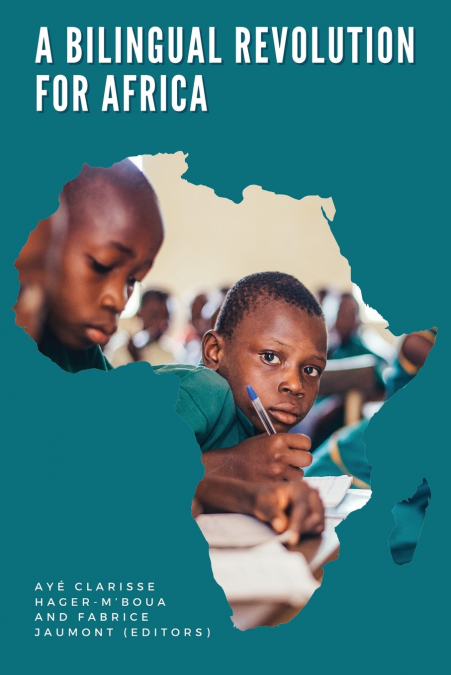
Language is a powerful tool that shapes our identity, connects us to our culture, and allows us to understand and appreciate the diversity of human cultures. In Africa, there are over 2,000 different languages spoken, making it the most linguistically diverse continent on the planet. This creates a unique and complex environment for education, particularly for children who are in the early stages of language acquisition. The native or first language of a child plays a critical role in their cognitive development and perception of the world around them. It is through language that children learn to communicate, understand their environment, and make sense of their experiences. Children who have access to their native language during the early stages of language acquisition tend to develop stronger cognitive abilities, which can benefit their academic performance and overall well-being.However, despite the clear benefits of multilingualism and the importance of native language in child development, many education systems in Africa continue to prioritize colonial languages such as English, French, and Portuguese over indigenous languages. This results in a lack of educational resources and opportunities for children who speak their native language, which can lead to educational inequality and a disconnection from their cultural identity.In response to this, there is a growing need for multilingual education programs that value and support students’ linguistic and cultural backgrounds. These programs prioritize the use of the child’s native language as a means of instruction and aim to promote multilingualism as a valuable asset. They also recognize the importance of preserving indigenous languages and cultures, and work to ensure that these languages are not lost due to the dominance of colonial languages.Overall, the need for multilingual education programs in Africa is stronger than ever. By prioritizing the use of the child’s native language and promoting multilingualism, these programs can support the cognitive development and academic success of children, as well as the preservation of linguistic and cultural diversity.How can we re-evaluate and re-conceptualize the way we approach and think about multilingualism in education? What can we learn from Africa’s linguistic situation and apply to other multilingual regions? How can we create more inclusive and empowering educational environments that promote multilingualism as a valuable asset rather than a hindrance? These questions will be explored in this book.