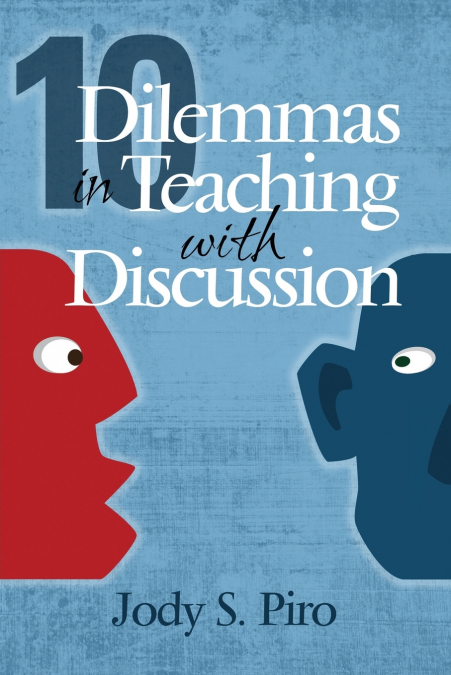

10 Dilemmas in Teaching with Discussion

10 Dilemmas in Teaching with Discussion

Jody S. Piro / Jody Spiro

65,88 €
IVA incluido
Disponible
Editorial:
Emerald Publishing Ltd
Año de edición:
2016
Materia
Organización y gestión educativa
ISBN:
9781681235158
65,88 €
IVA incluido
Disponible

Selecciona una librería:

  • Librería Samer Atenea
  • Librería Aciertas (Toledo)
  • Kálamo Books
  • Librería Perelló (Valencia)
  • Librería Elías (Asturias)
  • Donde los libros
  • Librería Kolima (Madrid)
  • Librería Proteo (Málaga)

Using discussion in instruction may facilitate spaces where students can engage with difficult and opposing ideas as a form of shared inquiry. Discussion is part of a larger curricular goal that intersects the two aspirations of diversity of perspectives and democratic inquiry in that it challengesstereotypes and assumptions through student interactions. An essential goal of discussion is increased personal understanding of difficult issues through social learning. Discussion pedagogy engages students with issues that surpass the self and connects them with larger societal problems, allowingthem to expand their perspectives and increase their worldviews of difficult issues. Discussions may have the capability to advance the public‐sphere through the use of critical and reasoned discourse. Nevertheless, teaching with discussion is a complex and sometimes ambiguous endeavor. Using discussion pedagogy promotes perturbation, disturbance, and disequilibrium as natural and anticipated outcomes of instruction. Instructors using discussion often feel pulled between desirable, but seemingly contradictory, outcomes for their students: for example, wanting students to participate but also wanting them to learn to listen to others’ viewpoints; hoping that they will dialogue but also wanting them to pose questions with each other; expecting they will use the text to ground their opinions and also valuing students’ personal experiences as they relate to the topic under discussion. Similarly, instructors using discussion must manage instructional paradoxes: focusing on the process of discussion but also having an eye on the possible products of the discussion, such as outside actions or a culminating project; wanting to provide structure to help students understand expectations and increase student engagement and also valuing organic, less structured dialogues that highlight student interest in the topic.These contradictions may be met with a problem‐solving stance leading to an either/or consequence, choosing one viewpoint over another. Yet, the paradoxical outcomes and instructional choices in discussion, though opposing, are mutually desirable. In fact, each side of the dilemma relies on the other. These types of problems for discussion outcomes and instruction are not really problems. They are dilemmas that simply need management.

Artículos relacionados

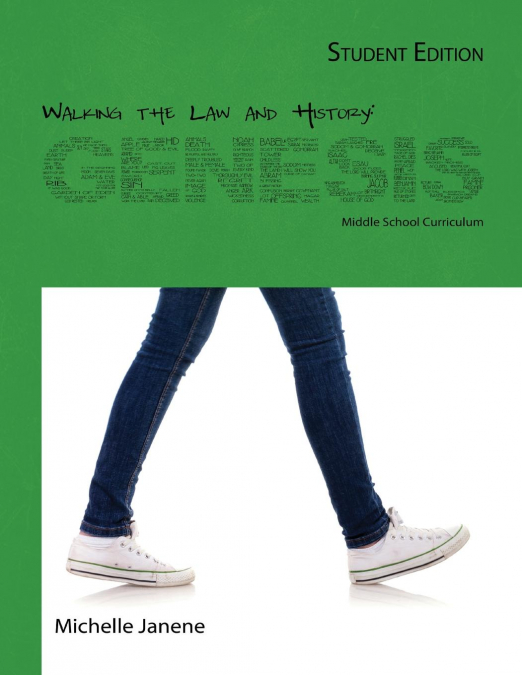
  • Walking the Law and History
    Michelle Janene
    The companion student workbook for the Bible curriculum of Walking the Law and History Genesis. Students will participate in deep Bible study of the creation of the world, the foundations of the Christian faith, and the formation of the Jewish nation.  ...
    Disponible

    9,81 €

  • Reforming Education for the Real World
    George P Waldheim
    Education, as we know it in America, is too often characterized as living in a world by itself; unaccountable and unimproved--so different from the Real World.  Year after year 'Band-Aid' attempts are initiated to improve education and again, year after year, those attempts only produce marginal improvement--if any.  Thus, our international ranking is still depicted as 'mediocr...
    Disponible

    12,21 €

  • Let’s Talk Sex & STDs
    Dr. Katina Davis-Kennedy / DrKatina Davis-Kennedy
    There comes a time when every person has to learn about sex; typically, students learn within their middle school years about sex education. Unfortunately, by then they have been influenced by others with the wrong information, or have heard rumors that are mostly untrue. Let's Talk Sex and STDs: The Student Edition is here to lay all of the misleading information and stori...
    Disponible

    25,31 €

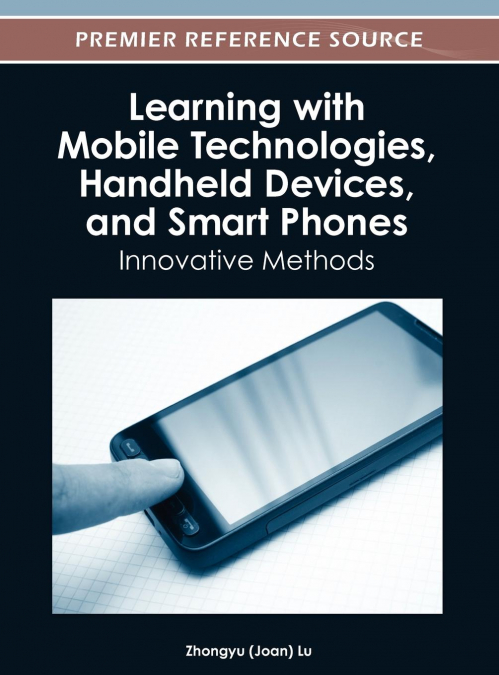
  • Learning with Mobile Technologies, Handheld Devices, and Smart Phones
    Mobile Learning is a new trend in pedagogical communities. It matches the speed of fast moving methodologies in pedagogical world. The theories of activity-based learning, problem-based learning, work-based learning, and opinion-based learning, learner-centered learning, and so forth, can be integrated with these tiny handheld devices. Students and teachers communicate effectiv...
  • Cultural Awareness and Competency Development in Higher Education
    As the world becomes more globalized, student populations in university settings will continue to grow in diversity. To ensure students develop the cultural competence to adapt to new environments, universities and colleges must develop policies and programs to aid in the progression of cultural acceptance and understanding. Cultural Awareness and Competency Development in High...
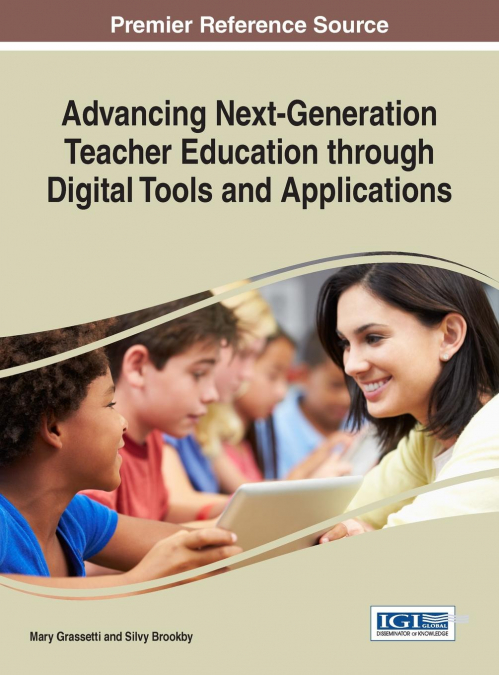
  • Advancing Next-Generation Teacher Education through Digital Tools and Applications
    The implementation of the Common Core State Standards program has spearheaded many changes within the education field. As this initiative is ultimately designed to optimize student performance and success, it is critical that teacher education programs and technological tools being utilized in classrooms align with Common Core State Standards. Advancing Next-Generation Teacher ...

Otros libros del autor

  • 10 Dilemmas in Teaching with Discussion
    Jody S. Piro / Jody Spiro
    Using discussion in instruction may facilitate spaces where students can engage with difficult and opposing ideas as a form of shared inquiry. Discussion is part of a larger curricular goal that intersects the two aspirations of diversity of perspectives and democratic inquiry in that it challengesstereotypes and assumptions through student interactions. An essential goal of di...