
Yiddish Cinema

Yiddish Cinema

Jonah Corne / Monika Vrečar

46,84 €
IVA incluido
Disponible
Editorial:
State University of New York Press
Año de edición:
2024
Materia
Teoría y crítica cinematográficas
ISBN:
9781438494203
46,84 €
IVA incluido
Disponible

Selecciona una librería:

  • Librería Desdémona
  • Librería Samer Atenea
  • Librería Aciertas (Toledo)
  • Kálamo Books
  • Librería Perelló (Valencia)
  • Librería Elías (Asturias)
  • Donde los libros
  • Librería Kolima (Madrid)
  • Librería Proteo (Málaga)

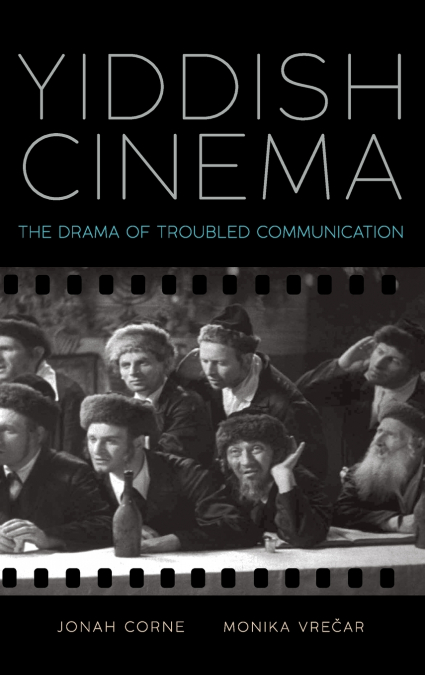
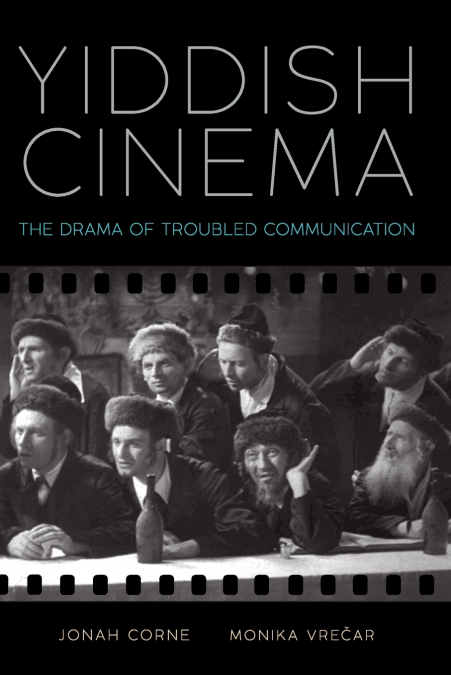
Offers a bold new reading of Yiddish cinema by exploring the early diasporic cinema’s fascination with media and communication.In this book, Jonah Corne and Monika Vrečar offer a conceptually innovative reexamination of Yiddish cinema, a crucial yet little-known diasporic phenomenon that enjoyed its 'golden age' in the mid- to late 1930s. Yiddish cinema, they argue, exhibits a distinctive fascination with media forms, technologies, and institutions, and with relationality writ large. What stands behind this communication obsession, as it might be understood, is the films’ engagement both with Judaic ideals and with a series of Jewish sociohistorical predicaments of troubled communication (immigration, displacement, the breakdown of tradition, and so on) that the films seek to reflect. Accordingly, the authors create a resonant conversation between Yiddish cinema, populated by an endless procession of disconnected characters ardently striving to rejoin the world of communication, and the brilliant yet underappreciated ideas of pioneering Czech-Jewish media theorist Vilém Flusser (1920-1991), who escaped Nazi persecution and built the first part of his intellectual career in Brazil. Indeed, the authors claim that the popular art of Yiddish cinema articulates in dramatic terms a version of the central Flusserian hypothesis that 'the structure of communication is the infrastructure of human reality' and, by doing so, embodies a remarkable Jewish media theory 'from below.' Films discussed include The Wandering Jew (1933), The Dybbuk (1937), Where is My Child? (1937), A Little Letter to Mother (1938), Kol Nidre (1939), Motel the Operator (1939), Tevye (1939), The Living Orphan (1939), and Long Is the Road (1948).
Artículos relacionados

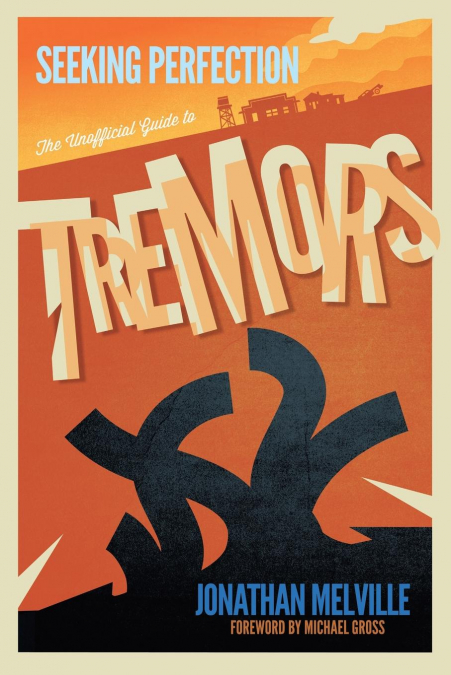
  • Seeking Perfection
    Jonathan Melville
    A behind the scenes look at the making of Tremors and its sequels in the 25th anniversary year 'This high-access tell-all...[is] an unexpected treat' - 4/5, Empire Welcome to Perfection, Nevada A throwback to the kind of sci-fi B movies that had long gone out of fashion, Tremors was a box office flop that became a home video phenomenon, spawning multiple sequels and a shor...
    Disponible

    23,62 €

  • Analysis of Film
    Raymond Bellour
    The Analysis of Film is at once a book about the methods of close film analysis, the narrative structure of Hollywood film, Hitchcock’s work--The Birds, Marnie, Psycho. North by Northwest--and the role of the woman in western representation. But, finally, it is a book about cinema itself and the love for cinema that drives the passion for analyzing the supreme art form of the ...
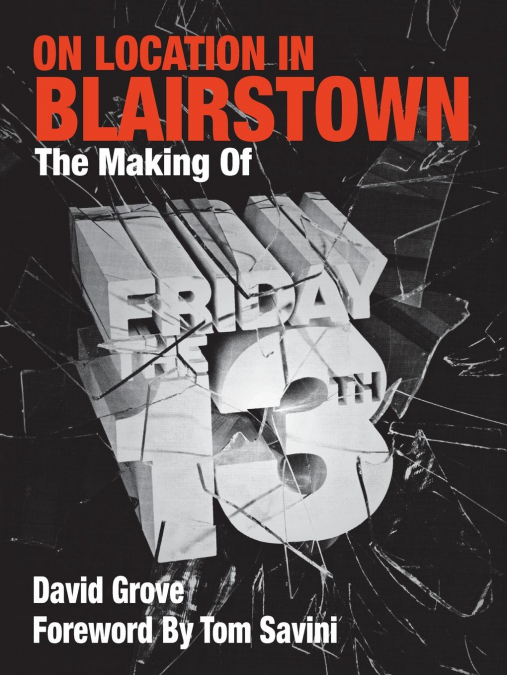
  • On Location in Blairstown
    David Grove
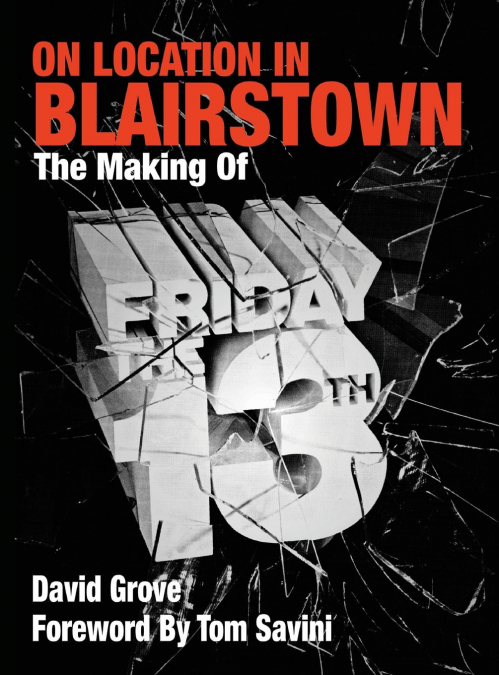
    On location in Blairstown: The Making of Friday the 13th covers the creation, planning and filming of the iconic 1980 film, Friday the 13th in a way that no other film has been documented before. Through the memories of the cast and crew, many speak for the first (and last) time, as well as previously-undiscovered production information and materials, On location in Blairstown ...
    Disponible

    35,50 €

  • On Location In Blairstown
    David Grove
    On location in Blairstown: The Making of Friday the 13th covers the creation, planning and filming of the iconic 1980 film, Friday the 13th in a way that no other film has been documented before. Through the memories of the cast and crew, many speaking for the first (and last) time, as well as previously-undiscovered production information and materials, On location in Blairsto...
    Disponible

    49,09 €

  • Filosofía cinemática como ética del porvenir
    Rafael García Pavón
    El cine puede ser un pensamiento filosófico o la filosofía una expresión cinematográfica. Por la cual, la vida moral de cada individuo puede no solo recuperar su tiempo perdido, sino recomenzarlo con una nueva mirada. El tiempo es libertad y se realiza como temporalidad, en la medida en que nos elegimos en el tiempo como tiempo, como creatividad y fuente de vida; el tiempo es t...
  • PRINCESS MONONOKE
    Jeremy Mark Robinson
    PRINCESS MONONOKE: HAYAO MIYAZAKI: POCKET MOVIE GUIDEREVISED AND UPDATED, WITH NEW ILLUSTRATIONS This book focusses on Hayao Miyazaki’s 1997 masterpiece Princess Mononoke. Princess Mononoke is a work of genius. It is a masterpiece. It is one of the most staggeringly incredible films you will ever see. By any standards you want to apply, the level of imagination and artistry ...
    Disponible

    33,94 €

Otros libros del autor

  • Yiddish Cinema
    Jonah Corne / Monika Vrečar
    Offers a bold new reading of Yiddish cinema by exploring the early diasporic cinema’s fascination with media and communication.In this book, Jonah Corne and Monika Vrečar offer a conceptually innovative reexamination of Yiddish cinema, a crucial yet little-known diasporic phenomenon that enjoyed its 'golden age' in the mid- to late 1930s. Yiddish cinema, they argue, exhibits a ...
    Disponible

    126,55 €