Writing Technology

Writing Technology

Christina Haas

74,38 €
IVA incluido
Disponible
Editorial:
Taylor & Francis Ltd
Año de edición:
1995
Materia
Estudios de comunicación
ISBN:
9780805819946
74,38 €
IVA incluido
Disponible

Selecciona una librería:

  • Librería Samer Atenea
  • Librería Aciertas (Toledo)
  • Kálamo Books
  • Librería Perelló (Valencia)
  • Librería Elías (Asturias)
  • Donde los libros
  • Librería Kolima (Madrid)
  • Librería Proteo (Málaga)

Academic and practitioner journals in fields from electronics to business to language studies, as well as the popular press, have for over a decade been proclaiming the arrival of the 'computer revolution' and making far-reaching claims about the impact of computers on modern western culture. Implicit in many arguments about the revolutionary power of computers is the assumption that communication, language, and words are intimately tied to culture -- that the computer’s transformation of communication means a transformation, a revolutionizing, of culture. Moving from a vague sense that writing is profoundly different with different material and technological tools to an understanding of how such tools can and will change writing, writers, written forms, and writing’s functions is not a simple matter. Further, the question of whether -- and how -- changes in individual writers’ experiences with new technologies translate into large-scale, cultural 'revolutions' remains unresolved. This book is about the relationship of writing to its technologies. It uses history, theory and empirical research to argue that the effects of computer technologies on literacy are complex, always incomplete, and far from unitary -- despite a great deal of popular and even scholarly discourse about the inevitability of the computer revolution. The author argues that just as computers impact on discourse, discourse itself impacts technology and explains how technology is used in educational settings and beyond.
Artículos relacionados

  • Analyzing Language and Humor in Online Communication
    Misunderstandings in technology-mediated communication can be due to a lack of tone and facial expression on the part of the speaker, which provide additional context clues into the meaning of the message beyond textual representation. As technology becomes more of a ubiquitous element in our interactions with one another, further study into the ways in which language and humor...
  • Defining Identity and the Changing Scope of Culture in the Digital Age
    Since the popularization of Internet technologies in the mid-1990s, human identity and collective culture has been dramatically shaped by our continued use of digital communication platforms and engagement with the digital world. Despite a plethora of scholarship on digital technology, questions remain regarding how these technologies impact personal identity and perceptions of...
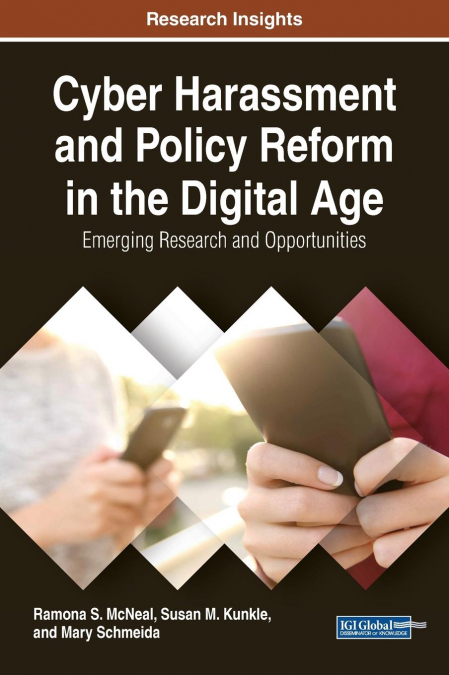
  • Cyber Harassment and Policy Reform in the Digital Age
    Mary Schmeida / Ramona S. McNeal / Ramona SMcNeal / Susan M. Kunkle / Susan MKunkle
    ...
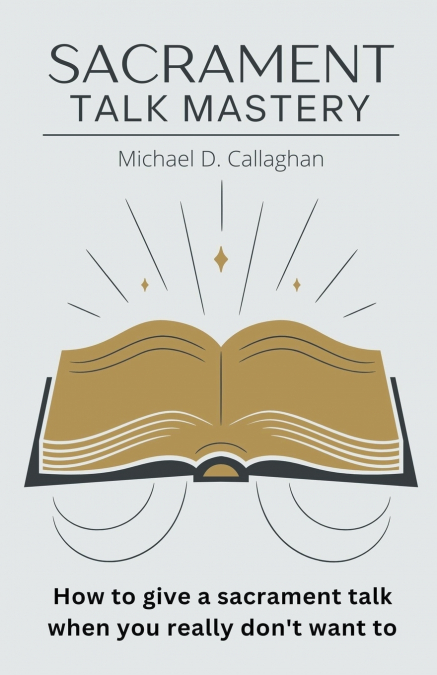
  • Sacrament Talk Mastery
    Michael D Callaghan
    Master Your Fears: Unleash Your Potential in Sacrament Talks Even When Nervous or ReluctantAre you a member of The Church of Jesus Christ of Latter-day Saints looking to improve your public speaking skills, specifically for giving sacrament talks, even when you’re feeling anxious? Sacrament Talk Mastery: How to Give a Sacrament Talk When You Really Don’t Want To is the perfect ...
    Disponible

    13,22 €

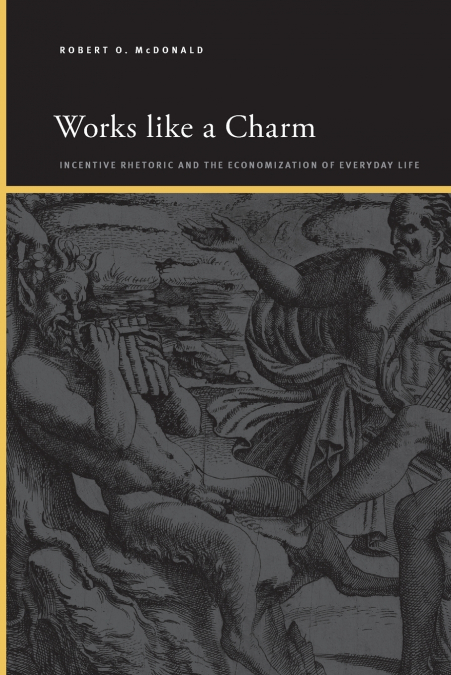
  • Works like a Charm
    Robert O. McDonald
    Breaks the spell of economic thought by interrogating the widespread language and logic of 'incentives' in public life from a Lacanian perspective.Works like a Charm addresses a simple question: Why are 'incentives' everywhere now? From inducements to work harder at our jobs to tax rebates for corporations, 'incentive' names a general theory of motivation-according to economist...
    Disponible

    49,70 €

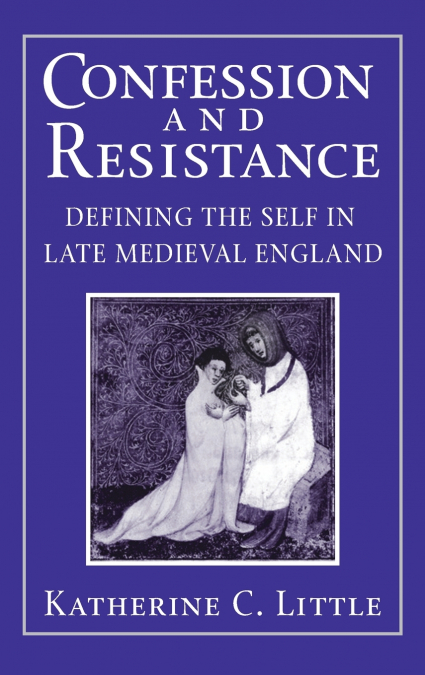
  • Confession and Resistance
    Katherine C. Little
    In this study of Wycliffism (or Lollardy), Little explores the relation between confession and the language of medieval selfhood. She then reevaluates the impact of Wycliffite ideas in selections of medieval literature that include confession as a theme. ...

Otros libros del autor

  • Writing Technology
    Christina Haas
    Academic and practitioner journals in fields from electronics to business to language studies, as well as the popular press, have for over a decade been proclaiming the arrival of the 'computer revolution' and making far-reaching claims about the impact of computers on modern western culture. Implicit in many arguments about the revolutionary power of computers is the assumptio...