

 Librería Samer Atenea
 Kálamo Books
 Librería Elías (Asturias)
 Librería Kolima (Madrid)
 Librería Proteo (Málaga)
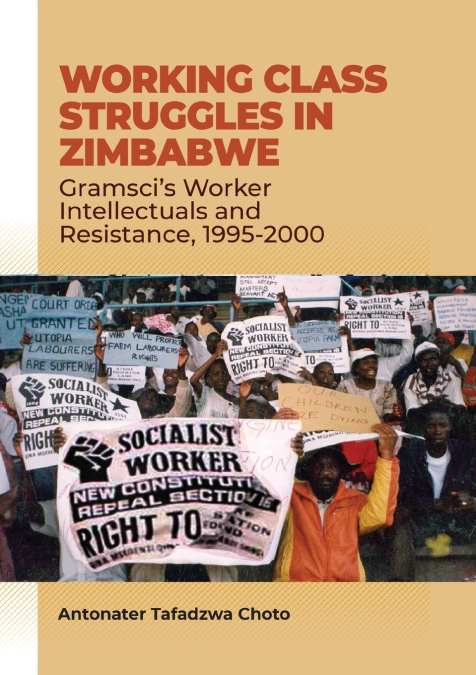
This book explores a crucial period in Zimbabwe’s working-class struggle during the late 1990s - a time described by activists as marked by a surge of working-class power on the streets. Drawing on and expanding Gramsci’s ideas, Choto analyses how intellectuals, emerged as strike leaders, played key roles amid the turbulence of structural adjustment and mass retrenchment. Choto highlights the influence of ’specialized intellectuals - NGO experts, lawyers, and white property owners - who redirected the movement towards reformist channels (like the Movement for Democratic Change), undermining hopes for an independent working-class party and stalling deeper militancy.This is an essential and inspiring testament to collective Zimbabwean grassroots agency. It is an insider’s analytical perspective from the beating heart of the struggle. As a working class intellectual herself, Choto has produced a musthave addition to our understanding of history and politics that resonates beyond Zimbabwe.Prof. Julie Hearn, Lancaster UniversityChoto commendably demonstrates that in the context of Zimbabwe resistance from workers to neoliberal hegemony was contained and derailed. She shows that revolutionary change continues to remain possible for all workers in Africa who dare to reimagine new futures where they are in control of their lives. Lucidly written, Africa needs more genuine grassroot organic intellectuals such as Choto, to not only engage and advance such important struggles but also record them for historical posterity.Prof. Ama Biney - University of Liverpool





