 Librería Samer Atenea
 Kálamo Books
 Librería Elías (Asturias)
 Librería Kolima (Madrid)
 Librería Proteo (Málaga)
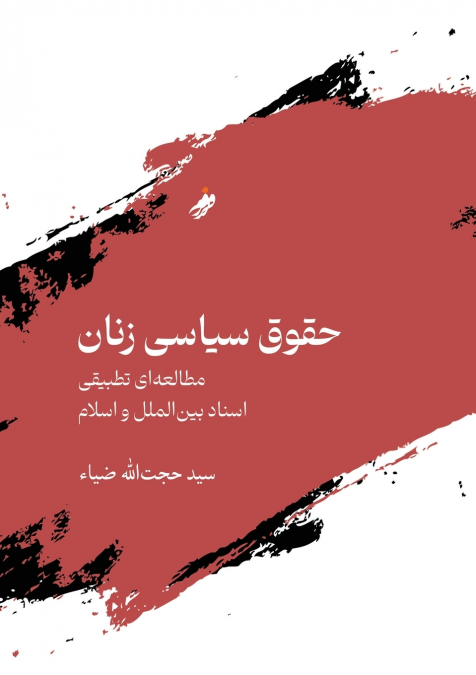
کتاب حقوق سیاسی زنان: مطالعهای تطبیقی در اسناد بینالمللی و اسلام، اثر سید حجتالله ضیا، بهتازگی از سوی انتشارات فرم منتشر شده است. این اثر با رویکردی علمی و بیطرفانه به بررسی دیدگاههای فقهی علمای اهل سنت و شیعه دربارهی حقوق سیاسی زنان پرداخته و آنها را با اسناد بینالمللی حقوق بشری مقایسه کرده است.حضور زنان در عرصههای سیاسی و اجتماعی و بهرهمندی آنان از حقوق برابر با مردان، همواره از موضوعات بحثبرانگیز در اندیشههای فقهی بوده است. در بسیاری از جوامع اسلامی، تفسیر سنتی از دین، قرائت غالب را شکل داده و بر جایگاه زنان در این حوزه تأثیر گذاشته است. نویسنده در این کتاب، با تفکیک میان سیمای فقهی و دینی زن و با توجه به قرائتهای جدید از دین، استدلال میکند که اسلام و هنجارهای جهانی حقوق بشر در تعارض ذاتی با یکدیگر نیستند.بر اساس یافتههای این پژوهش، مسلمانان میتوانند با بازخوانی متون دینی، باورهای خود را با ارزشهای عصر جدید هماهنگ سازند. در این خوانش نوین، حقوق سیاسی زنان، از جمله حق مشارکت در تصمیمگیریهای کلان، بر مبنای کرامت انسانی، آزادی و برابری تعریف میشود.این کتاب با ارائهی تحلیلی منسجم از حقوق سیاسی زنان، میکوشد زمینهی گفتوگویی سازنده را فراهم کند و برداشتهای متعادلتری را در این حوزه شکل دهد. حقوق سیاسی زنان، با تأکید بر همسویی دین و عدالت اجتماعی، خوانندگان را به بازاندیشی در تلقیهای رایج از حقوق زنان دعوت میکند.The book Women’s Political Rights: A Comparative Study of International Documents and Islam, written by Seyed Hojatollah Zia, has recently been published by Form Publications. This work takes an impartial and scholarly approach to examining the perspectives of Sunni and Shia scholars on women’s political rights and compares them with international human rights documents.The presence of women in political and social spheres and their equal political rights with men have long been contentious issues in jurisprudential thought. In many Islamic societies, traditional interpretations of religion have shaped the dominant discourse, influencing women’s status in these areas. In this book, the author distinguishes between the jurisprudential and religious perspectives on women and, considering modern interpretations of religion, argues that Islam and global human rights norms are not inherently contradictory.According to the findings of this study, Muslims can harmonize their beliefs with contemporary values by reinterpreting religious texts. In this new reading, political rights-including participation in major decision-making processes-are recognized as inherent rights based on human dignity, freedom, and equality.