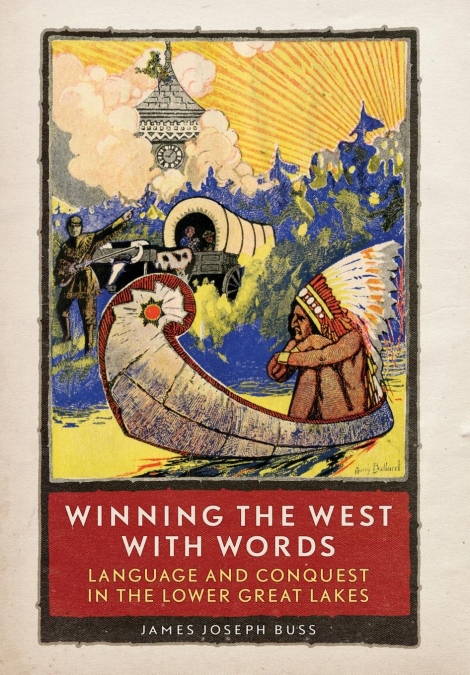

Winning the West with Words

Winning the West with Words

James Joseph Buss

45,97 €
IVA incluido
Consulta disponibilidad
Editorial:
University of Oklahoma Press
Año de edición:
2018
ISBN:
9780806142142

Selecciona una librería:

  • Librería Samer Atenea
  • Librería Aciertas (Toledo)
  • Kálamo Books
  • Librería Perelló (Valencia)
  • Librería Elías (Asturias)
  • Donde los libros
  • Librería Kolima (Madrid)
  • Librería Proteo (Málaga)

Indian Removal was a process both physical and symbolic, accomplished not only at gunpoint but also through language. In the Midwest, white settlers came to speak and write of Indians in the past tense, even though they were still present. Winning the West with Words explores the ways nineteenth-century Anglo-Americans used language, rhetoric, and narrative to claim cultural ownership of the region that comprises present-day Ohio, Indiana, and Illinois.Historian James Joseph Buss borrows from literary studies, geography, and anthropology to examine images of stalwart pioneers and vanished Indians used by American settlers in portraying an empty landscape in which they established farms, towns, and “civilized” governments. He demonstrates how this now-familiar narrative came to replace a more complicated history of cooperation, adaptation, and violence between peoples of different cultures.Buss scrutinizes a wide range of sources—travel journals, captivity narratives, treaty council ceremonies, settler petitions, artistic representations, newspaper editorials, late-nineteenth-century county histories, and public celebrations such as regional fairs and centennial pageants and parades—to show how white Americans used language, metaphor, and imagery to accomplish the symbolic removal of Native peoples from the region south of the Great Lakes. Ultimately, he concludes that the popular image of the white yeoman pioneer was employed to support powerful narratives about westward expansion, American democracy, and unlimited national progress. Buss probes beneath this narrative of conquest to show the ways Indians, far from being passive, participated in shaping historical memory—and often used Anglo-Americans’ own words to subvert removal attempts.By grounding his study in place rather than focusing on a single group of people, Buss goes beyond the conventional uses of history, giving readers a new understanding not just of the history of the Midwest but of the power of creation narratives. 3
Artículos relacionados

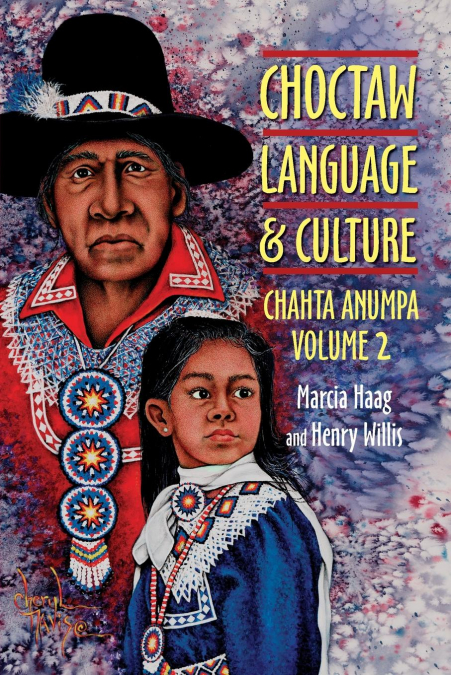
  • Choctaw Language and Culture
    Henry Willis / Marcia Haag
    Building on the foundations laid by the first volume of Choctaw Language and Culture, this follow-up text presents a more advanced linguistic study of Oklahoma Choctaw, accompanied by short stories and anecdotes written by Choctaws in their native language.The book is organized around twelve texts with translations, each followed by a grammar lesson, a vocabulary section that a...
    Disponible

    38,64 €

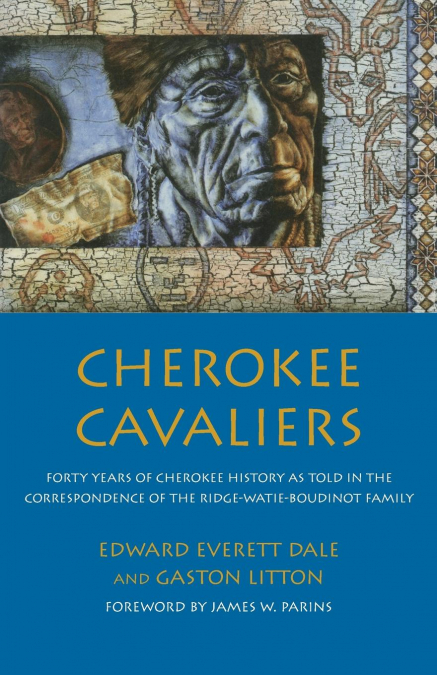
  • Cherokee Cavaliers
    Edward Everett Dale / Gaston Liston
    The two hundred letters which from the colorful mosaic of this story of the Cherokee tell for the first time, in the Indian’s own words, of more than forty years in the history of the old Cherokee Nation. These letters, found in three great trunks in Oklahoma by Edward Everett Dale, and here brought together, in collaboration with Gaston Litton, in sequence and with the necessa...
    Disponible

    17,00 €

  • Indigenous Peoples and Borders
    Sheryl Lightfoot
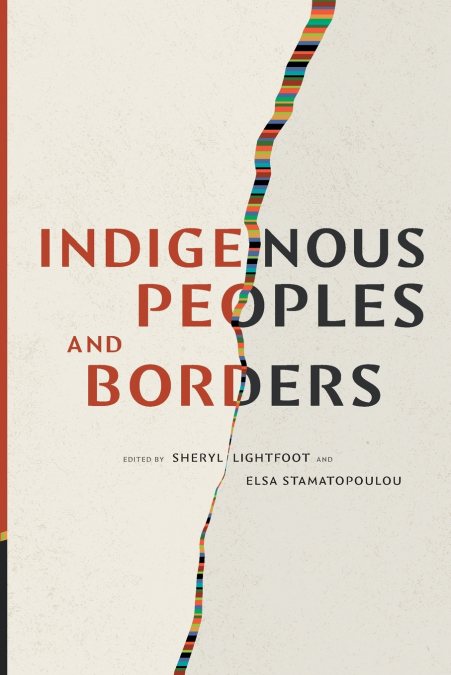
    The legacies of borders are far-reaching for Indigenous Peoples. This collection offers new ways of understanding borders by departing from statist approaches to territoriality. Bringing together the fields of border studies, human rights, international relations, and Indigenous studies, it features a wide range of voices from across academia, public policy, and civil society. ...
    Disponible

    38,69 €

  • The Politics of Kinship
    Mark Rifkin
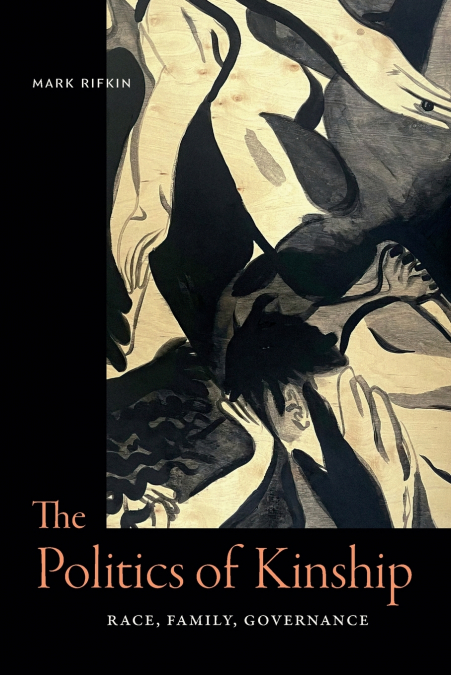
    What if we understood the idea of family as central to representing alternative forms of governance as expressions of racial deviance? In The Politics of Kinship, Mark Rifkin shows how ideologies of family, including notions of kinship, recast Indigenous and other forms of collective self-organization and self-determination as disruptive racial tendencies in need of state conta...
    Disponible

    38,84 €

  • Defend the Sacred
    Michael D. McNally
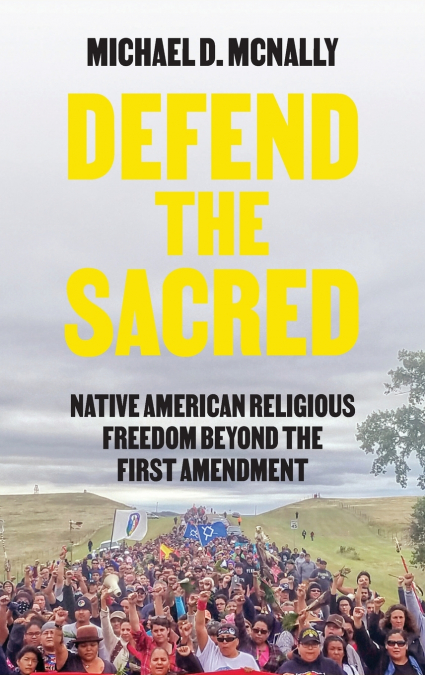
    The remarkable story of the innovative legal strategies Native Americans have used to protect their religious rightsFrom North Dakota’s Standing Rock encampments to Arizona’s San Francisco Peaks, Native Americans have repeatedly asserted legal rights to religious freedom to protect their sacred places, practices, objects, knowledge, and ancestral remains. But these claims have ...
  • Plants and Animals in the Yoeme World
    Felipe S. Molina / Richard S. Felger
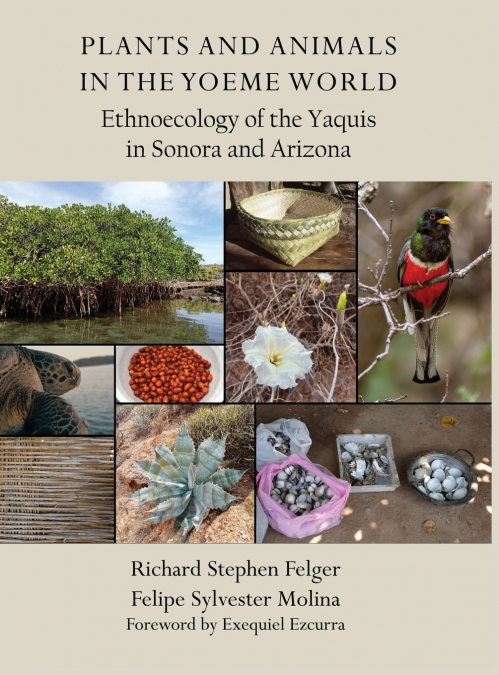
    This is a book about plants and animals in the Yoeme world, including the Yoem Bwiara in Sonora, Mexico, and that region of south-central Arizona where Yoeme communities formed during the diasporas of the nineteenth and twentieth centuries. We document more than 415 plant species and over 600 kinds (taxa) of animal life, and describe from historical and first-person accounts ma...