
Wie man über Wandel spricht

Wie man über Wandel spricht

Edelgard Vacek

78,24 €
IVA incluido
Disponible
Editorial:
Springer Nature B.V.
Año de edición:
2009
Materia
Estudios de comunicación
ISBN:
9783531168432
78,24 €
IVA incluido
Disponible

Selecciona una librería:

  • Librería Samer Atenea
  • Librería Aciertas (Toledo)
  • Kálamo Books
  • Librería Perelló (Valencia)
  • Librería Elías (Asturias)
  • Donde los libros
  • Librería Kolima (Madrid)
  • Librería Proteo (Málaga)

Über die Notwendigkeit tiefgreifenden „Wandels', fortgesetzter „Reformen', eines gesellschaftlichen „Rucks' zu reden, ist unter Gestaltern in Wirtschaft und Politik beinahe selbstverständlich geworden, oft unter Mitwirkung der Wiss- schaft, die - selbst von der Wandel-Rhetorik erfasst - ihr Erkenntnisinteresse verstärkt auf Probleme des Change Managements richtet. Dabei sind die Kon- tationen der zitierten Schlagworte durchaus dramatisch, geht es doch um nichts weniger als die Existenzbedingungen von Gesellschaften, Organisationen und - dividuen in ‚unsicheren’ spätmodernen Konstellationen. Anderseits wird von vielen Verantwortlichen beklagt, dass den Maßnahmen von Change Mana- ment und Change Communication in der Praxis selten Erfolg beschieden ist, m- unter ist gar von „verbrannter Erde' die Rede. Bei alledem herrscht der Eindruck vor, dass einfache Schuldzuweisungen an Verantwortliche oder Betroffene dem komplexen, „systemischen' Charakter des Problems nicht gerecht werden. Vor diesem Hintergrund liegen aus kommunikations- und kulturwiss- schaftlicher Sicht zwei Fragekomplexe auf der Hand: 1. Was genau tun die Beteiligten eigentlich, wenn sie - etwa im Kontext eines unternehmerischen „Verschlankungsprozesses' - über Wandel sprechen, und durch welche soz- kulturellen Gründe kann die gegenwärtige Konjunktur dieser neuen Art von Wandel-Rhetorik erklärt werden? 2. Welche Arten und Weisen, über ‚Wandel’ zu sprechen, haben sich gesellschaftlich etabliert, welche kommunikativen Z- cke werden durch sie verfolgt und inwieweit ist ihnen, z. B.
Artículos relacionados

  • Analyzing Language and Humor in Online Communication
    Misunderstandings in technology-mediated communication can be due to a lack of tone and facial expression on the part of the speaker, which provide additional context clues into the meaning of the message beyond textual representation. As technology becomes more of a ubiquitous element in our interactions with one another, further study into the ways in which language and humor...
  • Defining Identity and the Changing Scope of Culture in the Digital Age
    Since the popularization of Internet technologies in the mid-1990s, human identity and collective culture has been dramatically shaped by our continued use of digital communication platforms and engagement with the digital world. Despite a plethora of scholarship on digital technology, questions remain regarding how these technologies impact personal identity and perceptions of...
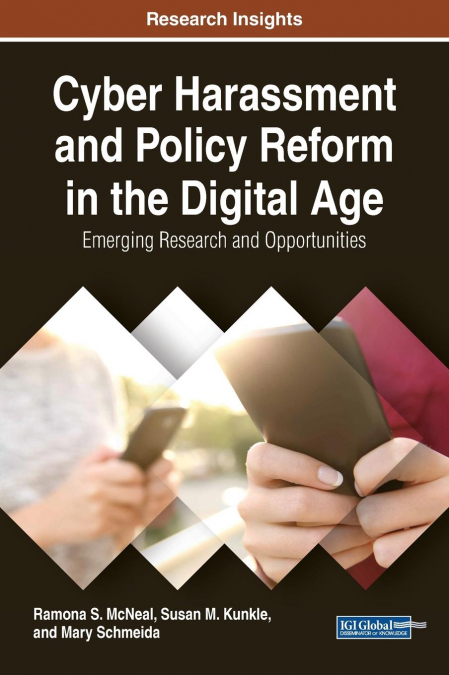
  • Cyber Harassment and Policy Reform in the Digital Age
    Mary Schmeida / Ramona S. McNeal / Ramona SMcNeal / Susan M. Kunkle / Susan MKunkle
    ...
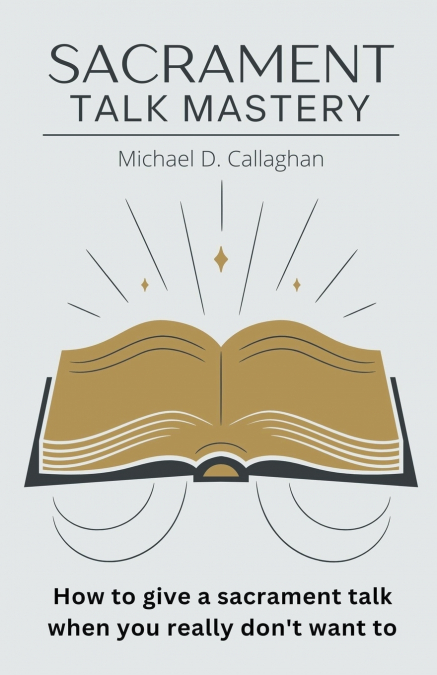
  • Sacrament Talk Mastery
    Michael D Callaghan
    Master Your Fears: Unleash Your Potential in Sacrament Talks Even When Nervous or ReluctantAre you a member of The Church of Jesus Christ of Latter-day Saints looking to improve your public speaking skills, specifically for giving sacrament talks, even when you’re feeling anxious? Sacrament Talk Mastery: How to Give a Sacrament Talk When You Really Don’t Want To is the perfect ...
    Disponible

    13,22 €

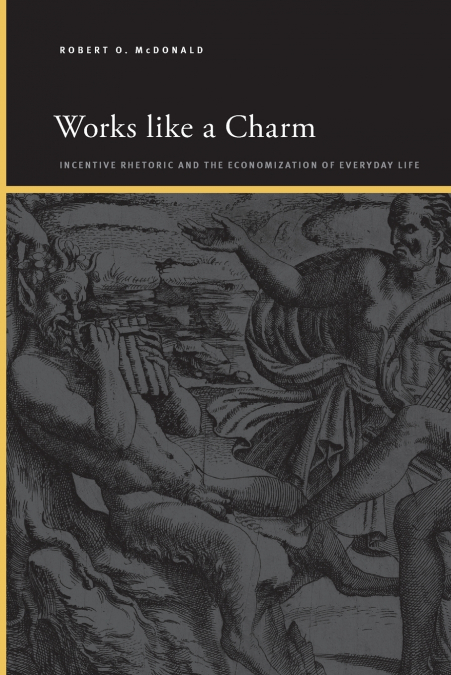
  • Works like a Charm
    Robert O. McDonald
    Breaks the spell of economic thought by interrogating the widespread language and logic of 'incentives' in public life from a Lacanian perspective.Works like a Charm addresses a simple question: Why are 'incentives' everywhere now? From inducements to work harder at our jobs to tax rebates for corporations, 'incentive' names a general theory of motivation-according to economist...
    Disponible

    49,70 €

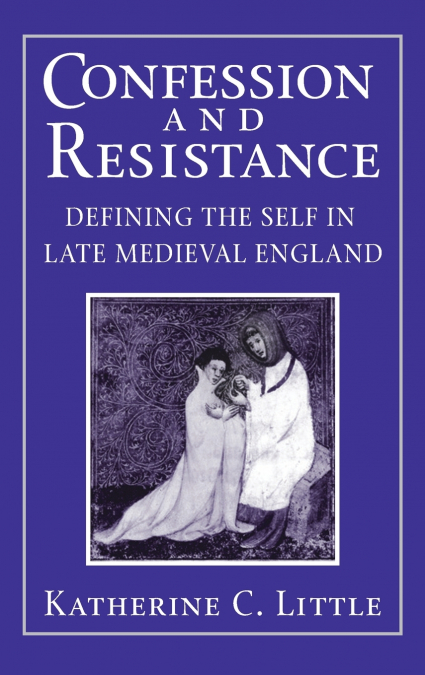
  • Confession and Resistance
    Katherine C. Little
    In this study of Wycliffism (or Lollardy), Little explores the relation between confession and the language of medieval selfhood. She then reevaluates the impact of Wycliffite ideas in selections of medieval literature that include confession as a theme. ...