What We Attend To

What We Attend To

Kas Philippens

14,88 €
IVA incluido
Disponible
Editorial:
Kas Philippens
Año de edición:
2026
Materia
Ética y filosofía moral
ISBN:
9789090422558
14,88 €
IVA incluido
Disponible

Selecciona una librería:

  • Librería Samer Atenea

  • Kálamo Books
  • Librería Elías (Asturias)
  • Librería Kolima (Madrid)
  • Librería Proteo (Málaga)

What happens when attention itself becomes part of the problem?In What We Attend To, Kas Philippens explores attention as an active force shaping both individual experience and collective reality. Rather than treating attention as neutral or purely corrective, this essay argues that what we consistently focus on does not simply become clearer-it often grows in intensity, complexity, or persistence.Drawing on research from psychology and sociology, the book examines how attention operates through mechanisms such as attentional bias, conditioning, and feedback loops. At the individual level, sustained focus can amplify anxiety and reinforce patterns that are difficult to break. At the collective level, similar dynamics appear in social discourse, where repeated emphasis on identity, conflict, and injustice can unintentionally entrench the divisions they aim to resolve.This work does not deny the existence or urgency of issues such as racism, discrimination, or inequality. Instead, it questions how attention is structured once these problems are recognized. A central distinction is introduced between recognition and rumination: recognition brings problems into awareness, while rumination sustains them without necessarily contributing to resolution.The essay further challenges the assumption that good intentions are sufficient for positive outcomes. While intention expresses direction, attention determines impact. Patterns of focus, especially when reinforced by media systems and social environments, shape perception, behavior, and long-term results regardless of intent.Through a combination of theoretical analysis and lived experience, What We Attend To offers a framework for disciplined attention. It calls for a shift from reactive engagement toward conscious allocation of focus, where awareness is paired with responsibility and direction.The aim is not to reduce attention to important issues, but to refine it. Effective engagement requires more than intensity; it requires understanding what attention does over time.The question is not whether we care, but where that care is directed-and what grows because of it.
Artículos relacionados

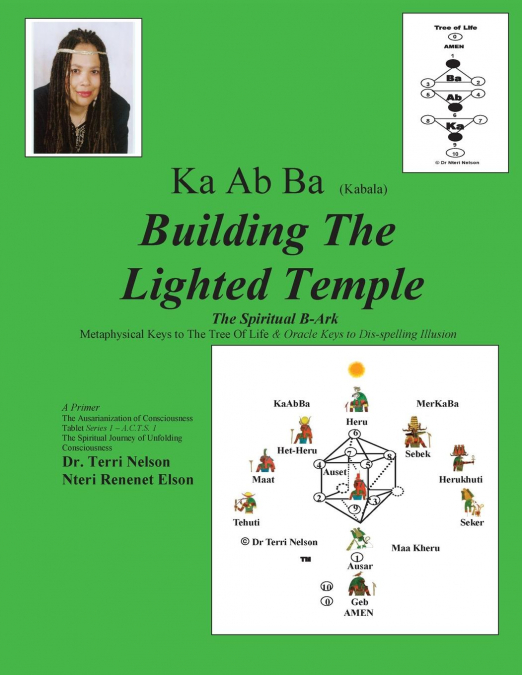
  • Ka Ab Ba Building The Lighted Temple
    Dr Terri R. Nelson / Dr Terri RNelson
    The book KaAbBa Building The Lighted Temple/Metaphysical Keys to the Tree of Life draws a circle that is inclusive of the Afrikan origin of the Ancient Kemetic/Egyptian wisdom. It reveals the undeniable root and link of Ancient Africa to all the religious systems that would develop worldwide. This book is explosive in its power to convey the meaning of KaAbBa, the Medu Neter  (...
    Disponible

    37,41 €

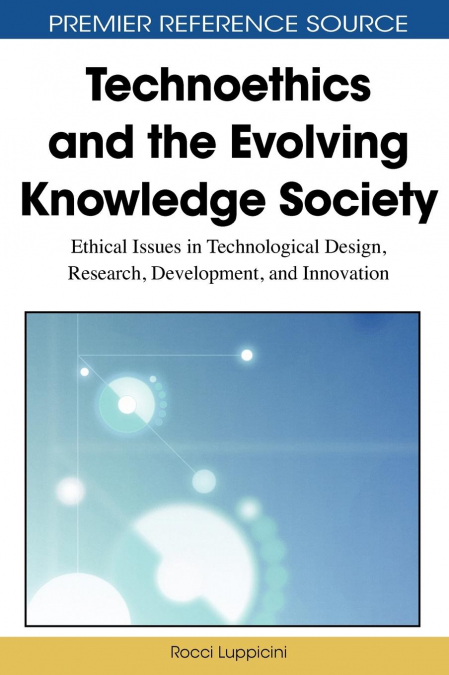
  • Technoethics and the Evolving Knowledge Society
    Rocci Luppicini
    Recently, there has been a major push to rediscover the ethical dimension of technology across the sciences, social sciences, and humanities. Technoethics and the Evolving Knowledge Society: Ethical Issues in Technological Design, Research, Development, and Innovation examines human processes and practices connected to technology embedded within social, political, and moral sph...
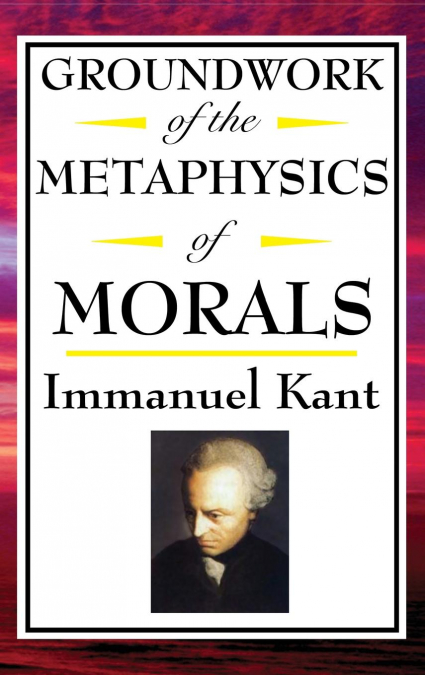
  • Kant
    Immanuel Kant
    Kant’s Groundwork of the Metaphysics of Morals is one of the most important works in modern moral philosophy. It belongs beside Plato, Aristotle, Machiavelli, and Hobbes. Here Kant sets out to articulate and defend the Categorical Imperative - the fundamental principle that underlies moral reasoning - and to lay the foundation for a comprehensive account of justice and human vi...
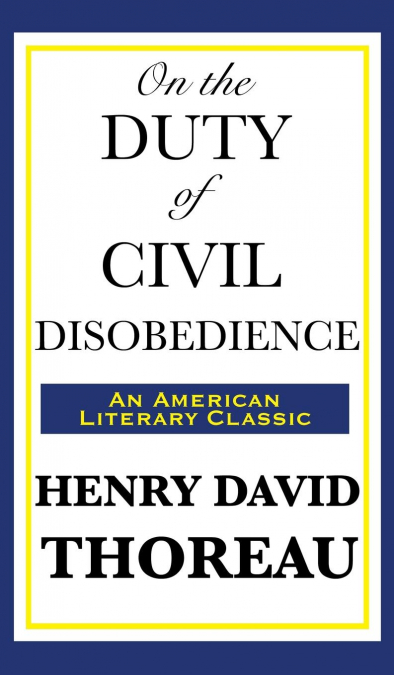
  • On the Duty of Civil Disobedience
    HENRY DAVID THOREAU
    Civil Disobedience argues that citizens should not permit their governments to overrule their consciences, and that they have a duty to avoid allowing their acquiescence to enable the government to make them the agents of injustice. Thoreau was motivated in part by his disgust with slavery and the Mexican-American War, but the sentiments he expresses here are just as pertinent ...
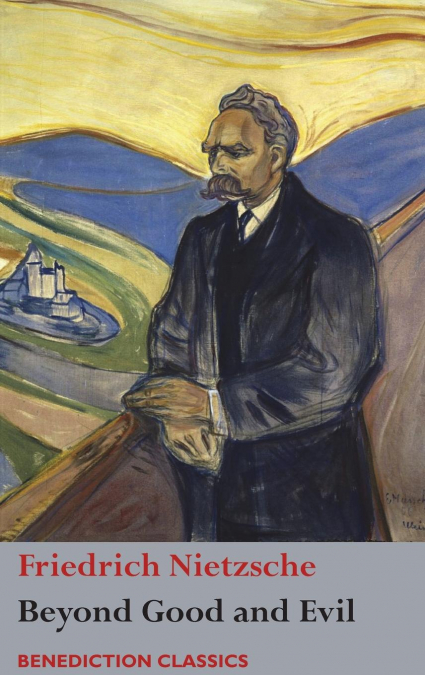
  • Beyond Good and Evil
    Friedrich Nietzsche
    Nietzsche, though primarily a philosopher, wrote widely on art, philology, history, religion, tragedy, culture, and science.  In 1886, at the height of his powers, he published Beyond Good and Evil.  Here he examines much of the best of human thought--dogmatic philosophy, Judeo-Christian morality, science and democracy – and finds it lacking.  Rejecting “slave-morality” he pres...
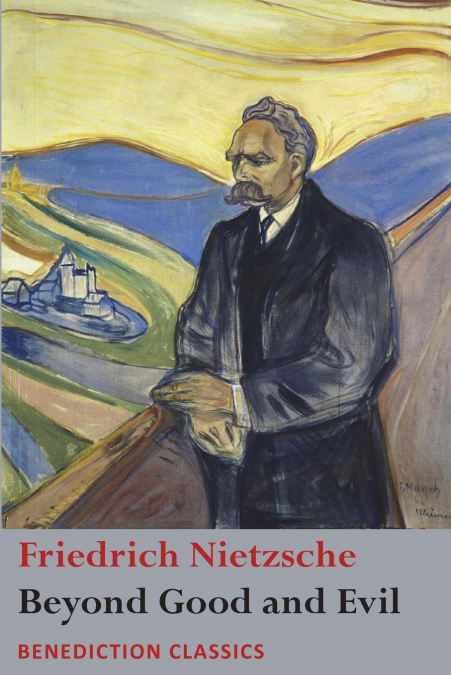
  • Beyond Good and Evil
    Friedrich Nietzsche
    Nietzsche, though primarily a philosopher, wrote widely on art, philology, history, religion, tragedy, culture, and science.  In 1886, at the height of his powers, he published Beyond Good and Evil.  Here he examines much of the best of human thought--dogmatic philosophy, Judeo-Christian morality, science and democracy – and finds it lacking.  Rejecting “slave-morality” he pres...
    Disponible

    9,99 €