Inicio > Lenguas > Lingüistica > Web Corpus Construction
Web Corpus Construction

Web Corpus Construction

Felix Bildhauer / Roland Schäfer

48,41 €
IVA incluido
Disponible
Editorial:
Springer Nature B.V.
Año de edición:
2013
Materia
Lingüistica
ISBN:
9783031010248
48,41 €
IVA incluido
Disponible

Selecciona una librería:

  • Librería Samer Atenea
  • Librería Aciertas (Toledo)
  • Kálamo Books
  • Librería Perelló (Valencia)
  • Librería Elías (Asturias)
  • Donde los libros
  • Librería Kolima (Madrid)
  • Librería Proteo (Málaga)

The World Wide Web constitutes the largest existing source of texts written in a great variety of languages. A feasible and sound way of exploiting this data for linguistic research is to compile a static corpus for a given language. There are several adavantages of this approach: (i) Working with such corpora obviates the problems encountered when using Internet search engines in quantitative linguistic research (such as non-transparent ranking algorithms). (ii) Creating a corpus from web data is virtually free. (iii) The size of corpora compiled from the WWW may exceed by several orders of magnitudes the size of language resources offered elsewhere. (iv) The data is locally available to the user, and it can be linguistically post-processed and queried with the tools preferred by her/him. This book addresses the main practical tasks in the creation of web corpora up to giga-token size. Among these tasks are the sampling process (i.e., web crawling) and the usual cleanups including boilerplate removal and removal of duplicated content. Linguistic processing and problems with linguistic processing coming from the different kinds of noise in web corpora are also covered. Finally, the authors show how web corpora can be evaluated and compared to other corpora (such as traditionally compiled corpora). For additional material please visit the companion website: sites.morganclaypool.com/wcc Table of Contents: Preface / Acknowledgments / Web Corpora / Data Collection / Post-Processing / Linguistic Processing / Corpus Evaluation and Comparison / Bibliography / Authors’ Biographies
Artículos relacionados

  • User-Centered Computer Aided Language Learning
    Giorgos Zacharia / Panayiotis Zaphiris
    ...
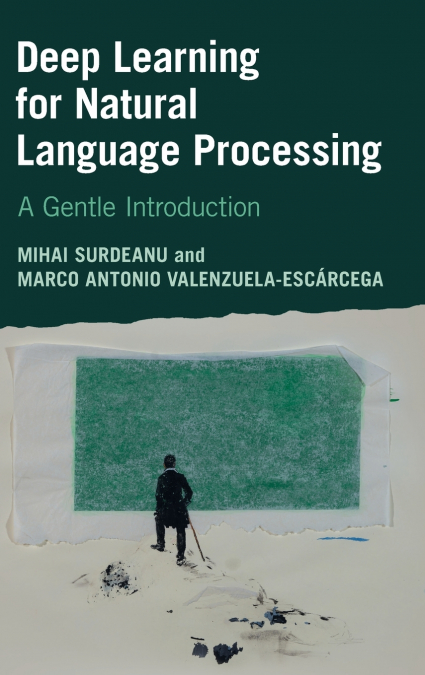
  • Deep Learning for Natural Language Processing
    Marco Antonio Valenzuela-Escárcega / Mihai Surdeanu
    ...
    Disponible

    47,60 €

  • Deep Learning for Natural Language Processing
    Marco Antonio Valenzuela-Escárcega / Mihai Surdeanu
    ...
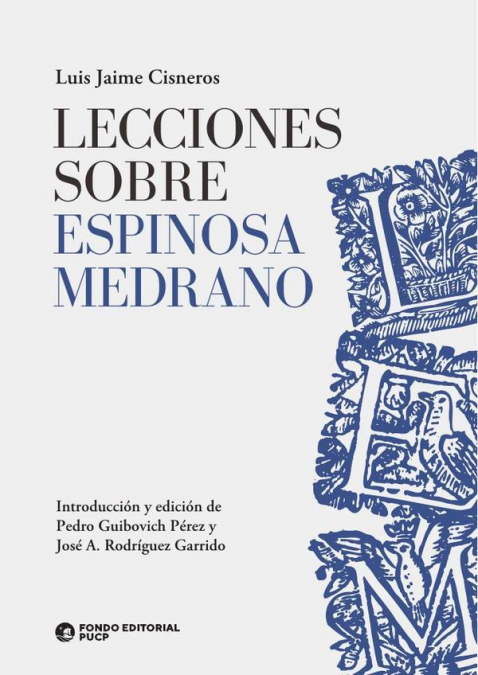
  • Lecciones sobre espinosa medrano
    Luis Jaime Cisneros Vizquerra
    La obra de Juan de Espinosa Medrano, apodado en su tiempo «El Lunarejo» (c. 1629-1688), fue uno de los mayores focos de interés académico de Luis Jaime Cisneros (1921-2011). En 1980 aparecieron sus primeros trabajos dedicados a estudiar los textos capitales de Espinosa Medrano (el Apologético en favor de don Luis de Góngora, la Panegírica declamación por la protección de las ci...
    Disponible

    17,63 €

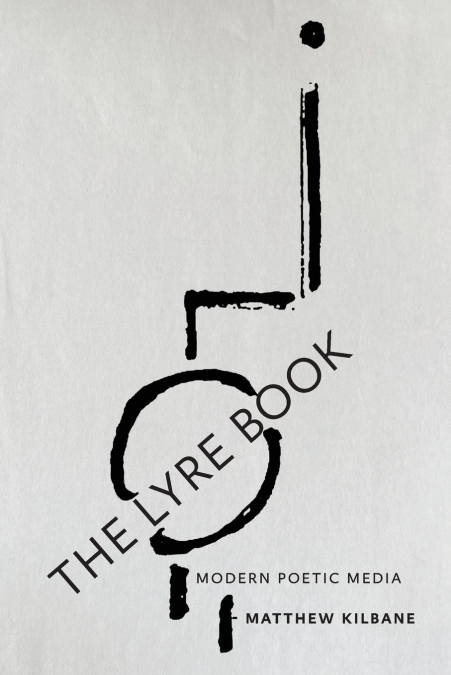
  • Lyre Book
    Matthew Kilbane
    Redefines modern lyric poetry at the intersection of literary and media studies.In The Lyre Book, Matthew Kilbane urges literary scholars to consider lyric not as a genre or a reading practice but as a media condition: the generative tension between writing and sound. In addition to clarifying issues central to the study of modern poetry--including its proximity to popular song...
    Disponible

    50,84 €

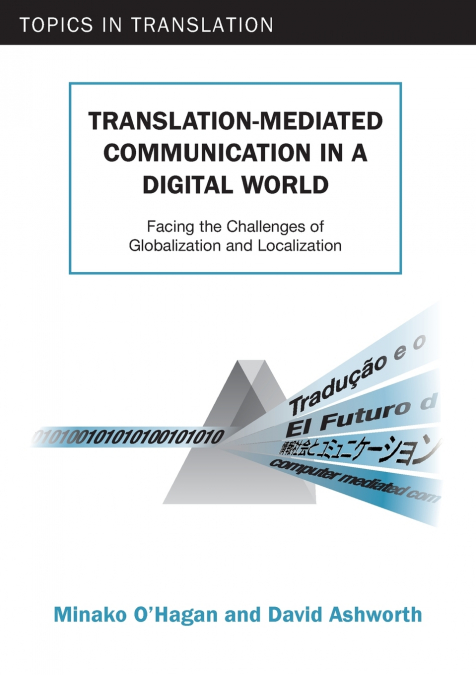
  • Translation-mediated Communication in a Digital World
    David Ashworth / Minako O’Hagan
    The Internet is accelerating globalization by exposing organizations and individuals to global audiences. This in turn is driving teletranslation and teleinterpretation, new types of multilingual support, which are functional in digital communications environments. The book describes teletranslation and teleinterpretation by exploring a number of key emerging contexts for langu...
    Disponible

    45,19 €

Otros libros del autor

  • Web Corpus Construction
    Felix Bildhauer / Roland Schäfer
    The World Wide Web constitutes the largest existing source of texts written in a great variety of languages. A feasible and sound way of exploiting this data for linguistic research is to compile a static corpus for a given language. There are several adavantages of this approach: (i) Working with such corpora obviates the problems encountered when using Internet search engines...
    Disponible

    50,88 €