
Inicio > Humanidades > Filosofía > Von der Richtigkeit des Begriffes von Sittlichkeit und der Apriorität des Begriffes der Pflicht für alle vernünftigen Wesen
Von der Richtigkeit des Begriffes von Sittlichkeit und der Apriorität des Begriffes der Pflicht für alle vernünftigen Wesen

Von der Richtigkeit des Begriffes von Sittlichkeit und der Apriorität des Begriffes der Pflicht für alle vernünftigen Wesen

Stephanie Lipka

19,53 €
IVA incluido
Disponible
Editorial:
GRIN Verlag
Año de edición:
2009
Materia
Filosofía
ISBN:
9783640318056
19,53 €
IVA incluido
Disponible

Selecciona una librería:

  • Librería Samer Atenea
  • Librería Aciertas (Toledo)
  • Kálamo Books
  • Librería Perelló (Valencia)
  • Librería Elías (Asturias)
  • Donde los libros
  • Librería Kolima (Madrid)
  • Librería Proteo (Málaga)

Studienarbeit aus dem Jahr 1999 im Fachbereich Philosophie - Philosophie des 17. und 18. Jahrhunderts, Note: 2,0, Westfälische Wilhelms-Universität Münster (Philosophisches Seminar ), Veranstaltung: Proseminar: Einführung in die kritische Ethik Immanuel Kants, Sprache: Deutsch, Abstract: Diese Seminararbeit beschäftigt sich mit dem zweiten Abschnitt der 'Grundlegung zur Metaphysik der Sitten'. Kant beginnt diesen Abschnitt gleich mit einer These: 'Wenn wir unsern bisherigen Begriff der Pflicht aus dem gemeinen Gebrauche unserer praktischen Vernunft gezogen haben, so ist daraus keineswegs zu schließen, als hätten wir ihn als einen Erfahrungsbegriff behandelt.'Von dieser These ausgehend argumentiert Kant und schließt wieder mit dem Gedanken, dass der Begriff der Pflicht ein Vernunftsbegriff ist.Aus seinen Überlegungen zur Apriorität der Begriffe der Pflicht und der Sittlichkeit leitet Kant eine Begriffserweiterung ab - er spricht nicht mehr vom Menschen allein, sondern von den 'vernünftige[n] Wesen überhaupt'.Meine Arbeit ist eine Textinterpretation der 'Grundlegung zur Metaphysik der Sitten'. Warum findet 'Nachahmung im Sittlichen gar nicht statt' und warum dienen 'Beispiele nur zur Aufmunterung'? Fragen, die auch heute bewegen. Denn im Grunde geht es Kant um selbstbestimmte Aufrichtigkeit, die uns fern von Clichés und gesellschaftlichen Zwängen unmotiviert gut handeln lässt.

Artículos relacionados

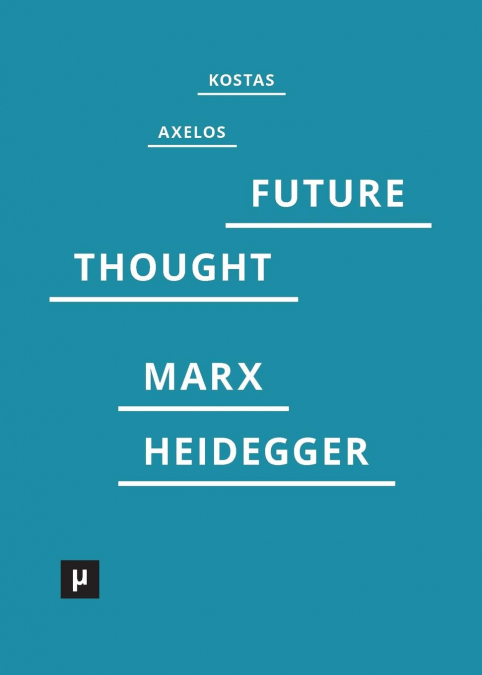
  • Introduction to a Future Way of Thought
    Kostas Axelos / Kenneth Mills
    'Technologists only change the world in various ways in generalized indifference; the point is to think the world and interpret the changes in its unfathomability, to perceive and experience the difference binding being to the nothing.'Anticipating the age of planetary technology Kostas Axelos, a Greek-French philosopher, approaches the technological question in this book, firs...
    Disponible

    18,58 €

  • Capsule
    John Kenneth Press
    Join John and Adam as they wander the mean streets of Japan on a psychedelic fueled search for identity. While fun for the average reader, this book could also serve as a philosphy textbook because of its ordered exploration of sources of identity. Ultimately this trip through nationalist attacks, sex, and drugs, will take you to a better understanding of yourself and your pl...
    Disponible

    11,51 €

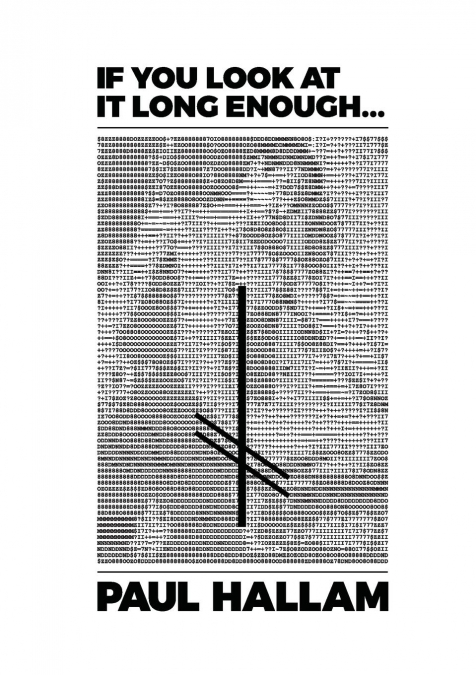
  • If you look at it long enough...
    Paul Hallam
    Originally written for an academic journal, If you look at it long enough... is primarily a personal account of Paul Hallam’s recollections of “self-abuse” through the consumption of porn over several decades. Challenging the familiar form of an “academic essay,” this autobiographical narrative raises several questions in relation to our contemporary morals related to sex in ge...
    Disponible

    11,30 €

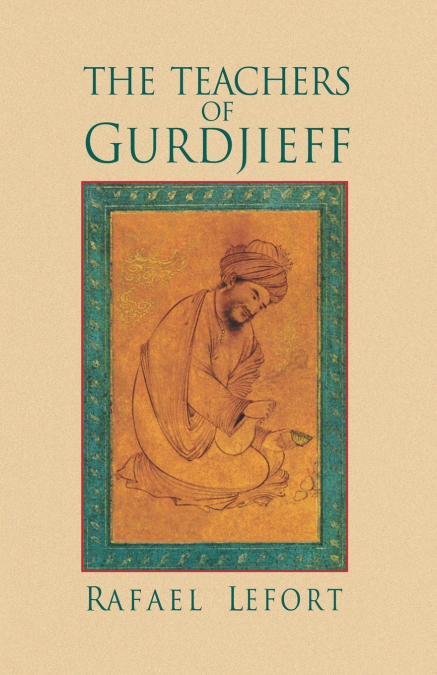
  • The Teachers of Gurdjieff
    Rafael Lafort / Rafael Lefort
    When The Teachers of Gurdjieff was first published more than 50 years ago, it made a considerable stir. George Ivanovich Gurdjieff had been one of the most famous mystics in the West in the first half of the 20th century - a teaching master who had many fashionable and influential pupils. He had a striking appearance and manner of teaching, and his teaching proved to be very in...
    Disponible

    20,45 €

  • Manifesto of the Communist Party
    Karl Marx
    The Communist Manifesto was first published on February 21, and it is one of the world’s most influential political tracts. Commissioned by the Communist League and written by communist theorists Karl Marx and Friedrich Engels, it laid out the League’s purposes and program. The Manifesto suggested a course of action for a proletarian (working class) revolution to overthrow the ...
  • The Art of Literature
    Arthur Schopenhauer
    Collected here are eight short essays, On Authorship, On Style, On the Study of Latin, On Men of Learning, On Thinking for Ones Self, On Criticism, On Reputation, On Genius, by the world renowned philosopher Arthur Achopenhauer. ...