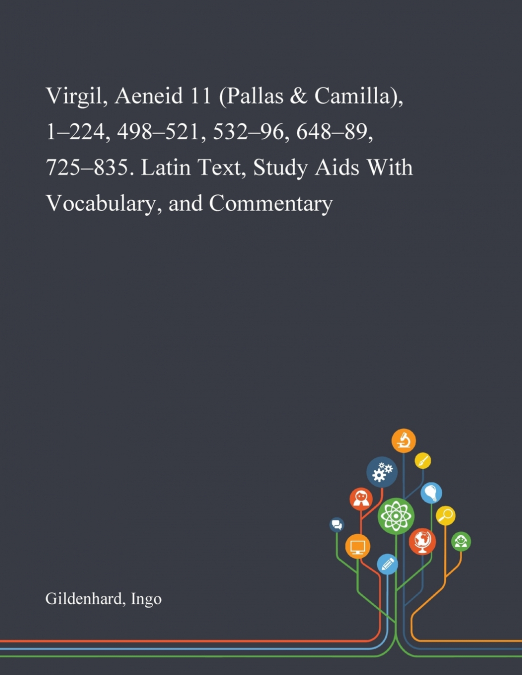

Inicio > Lenguas > Lingüistica > Virgil, Aeneid 11 (Pallas & Camilla), 1-224, 498-521, 532-96, 648-89, 725-835. Latin Text, Study Aids With Vocabulary, and Commentary
Virgil, Aeneid 11 (Pallas & Camilla), 1-224, 498-521, 532-96, 648-89, 725-835. Latin Text, Study Aids With Vocabulary, and Commentary

Virgil, Aeneid 11 (Pallas & Camilla), 1-224, 498-521, 532-96, 648-89, 725-835. Latin Text, Study Aids With Vocabulary, and Commentary

Ingo Gildenhard

96,95 €
IVA incluido
Disponible
Editorial:
Creative Media Partners, LLC
Año de edición:
2020
Materia
Lingüistica
ISBN:
9781013292286
96,95 €
IVA incluido
Disponible

Selecciona una librería:

  • Librería Samer Atenea
  • Kálamo Books
  • Librería Elías (Asturias)
  • Librería Kolima (Madrid)
  • Librería Proteo (Málaga)

A dead boy (Pallas) and the death of a girl (Camilla) loom over the opening and the closing part of the eleventh book of the Aeneid. Following the savage slaughter in Aeneid 10, the book opens in a mournful mood as the warring parties revisit yesterday’s killing fields to attend to their dead. One casualty in particular commands attention: Aeneas’ protégé Pallas, killed and despoiled by Turnus in the previous book. His death plunges his father Evander and his surrogate father Aeneas into heart-rending despair - and helps set up the foundational act of sacrificial brutality that caps the poem, when Aeneas seeks to avenge Pallas by slaying Turnus in wrathful fury. Turnus’ departure from the living is prefigured by that of his ally Camilla, a maiden schooled in the martial arts, who sets the mold for warrior princesses such as Xena and Wonder Woman. In the final third of Aeneid 11, she wreaks havoc not just on the battlefield but on gender stereotypes and the conventions of the epic genre, before she too succumbs to a premature death. In the portions of the book selected for discussion here, Virgil offers some of his most emotive (and disturbing) meditations on the tragic nature of human existence - but also knows how to lighten the mood with a bit of drag.This course book offers the original Latin text, vocabulary aids, study questions, and an extensive commentary. Designed to stretch and stimulate readers, Ingo Gildenhard’s volume will be of particular interest to students of Latin studying for A-Level or on undergraduate courses. It extends beyond detailed linguistic analysis to encourage critical engagement with Virgil’s poetry and the most recent scholarly thought.King’s College, Cambridge, has generously contributed to this publication.This work was published by Saint Philip Street Press pursuant to a Creative Commons license permitting commercial use. All rights not granted by the work’s license are retained by the author or authors.
Artículos relacionados

  • User-Centered Computer Aided Language Learning
    Giorgos Zacharia / Panayiotis Zaphiris
    ...
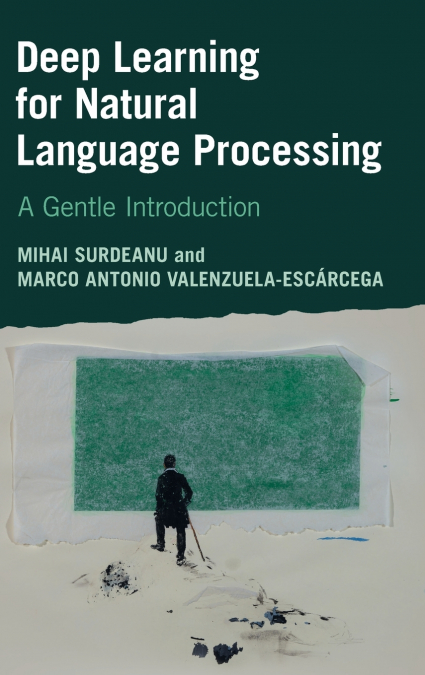
  • Deep Learning for Natural Language Processing
    Marco Antonio Valenzuela-Escárcega / Mihai Surdeanu
    ...
    Disponible

    50,08 €

  • Deep Learning for Natural Language Processing
    Marco Antonio Valenzuela-Escárcega / Mihai Surdeanu
    ...
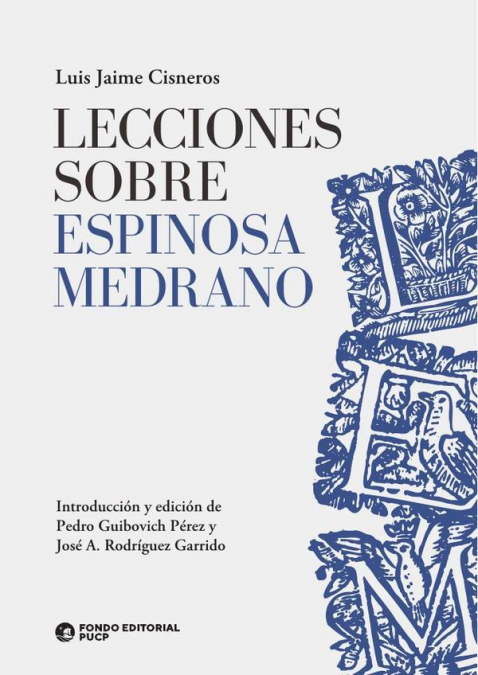
  • Lecciones sobre espinosa medrano
    Luis Jaime Cisneros Vizquerra
    La obra de Juan de Espinosa Medrano, apodado en su tiempo «El Lunarejo» (c. 1629-1688), fue uno de los mayores focos de interés académico de Luis Jaime Cisneros (1921-2011). En 1980 aparecieron sus primeros trabajos dedicados a estudiar los textos capitales de Espinosa Medrano (el Apologético en favor de don Luis de Góngora, la Panegírica declamación por la protección de las ci...
    Disponible

    18,20 €

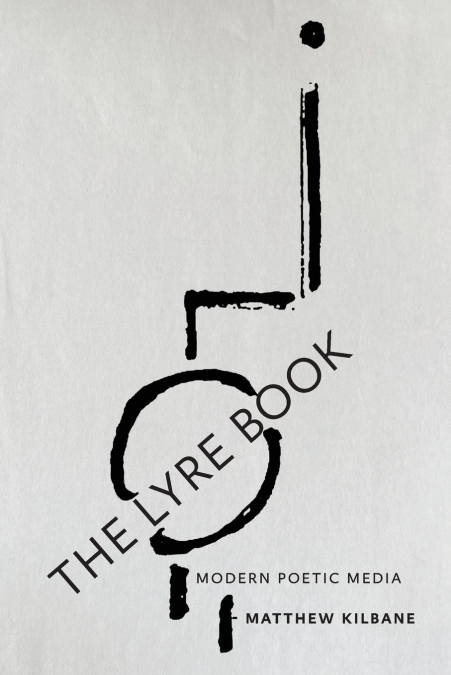
  • Lyre Book
    Matthew Kilbane
    Redefines modern lyric poetry at the intersection of literary and media studies.In The Lyre Book, Matthew Kilbane urges literary scholars to consider lyric not as a genre or a reading practice but as a media condition: the generative tension between writing and sound. In addition to clarifying issues central to the study of modern poetry--including its proximity to popular song...
    Disponible

    50,84 €

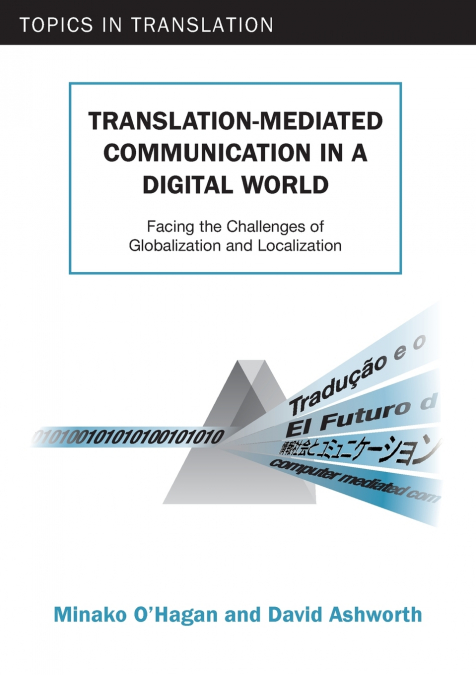
  • Translation-mediated Communication in a Digital World
    David Ashworth / Minako O’Hagan
    The Internet is accelerating globalization by exposing organizations and individuals to global audiences. This in turn is driving teletranslation and teleinterpretation, new types of multilingual support, which are functional in digital communications environments. The book describes teletranslation and teleinterpretation by exploring a number of key emerging contexts for langu...
    Disponible

    45,19 €

Otros libros del autor

  • Teaching Dido
    Ingo Gildenhard
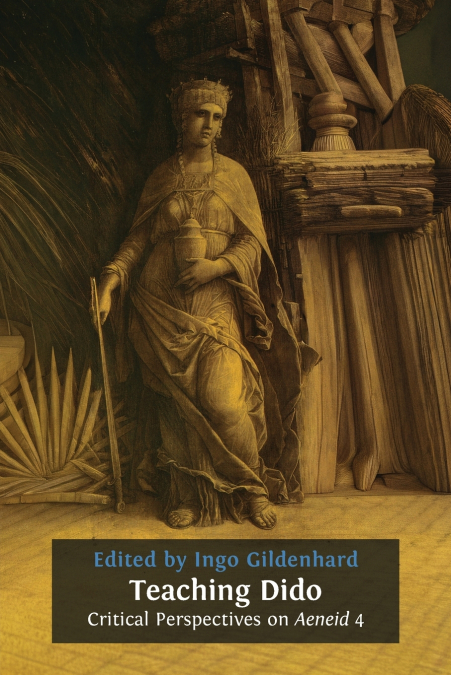
    A companion to Virgil, Aeneid 4, with Study Questions, Vocabulary, and Commentary (OBP 2026), Teaching Dido includes five essays that explore aspects of Virgil’s poetry in a student-friendly way. They range from issues in poetics (verse design, allusion) to key themes (’historiographical Dido’, religion, pietās). Seven reprinted scholarly articles follow, allowing students and ...
    Disponible

    61,65 €

  • Virgil, Aeneid, 4, with Study Questions, Vocabulary, and Commentary
    Ingo Gildenhard
    In Dido’s encounter with Aeneas, the Aeneid explores abiding themes of love and loyalty, fate and fortune, the justice of the gods, imperial ambitions and its victims, as well as cross-cultural encounters and the geopolitics of colonial settlement. As Aeneas’ most significant other, Dido also assumes a crucial role in Virgil’s epic aetiology of Roman history and the Augustan pr...
    Disponible

    79,74 €

  • Virgil, Aeneid 11 (Pallas & Camilla), 1-224, 498-521, 532-96, 648-89, 725-835. Latin Text, Study Aids With Vocabulary, and Commentary
    Ingo Gildenhard
    A dead boy (Pallas) and the death of a girl (Camilla) loom over the opening and the closing part of the eleventh book of the Aeneid. Following the savage slaughter in Aeneid 10, the book opens in a mournful mood as the warring parties revisit yesterday’s killing fields to attend to their dead. One casualty in particular commands attention: Aeneas’ protégé Pallas, killed and des...
  • Cicero, Philippic 2, 44-50, 78-92, 100-119
    Ingo Gildenhard
    Cicero composed his incendiary Philippics only a few months after Rome was rocked by the brutal assassination of Julius Caesar. In the tumultuous aftermath of Caesar’s death, Cicero and Mark Antony found themselves on opposing sides of an increasingly bitter and dangerous battle for control. Philippic 2 was a weapon in that war.Conceived as Cicero’s response to a verbal attack ...
  • Cicero, Philippic 2, 44-50, 78-92, 100-119
    Ingo Gildenhard
    Cicero composed his incendiary Philippics only a few months after Rome was rocked by the brutal assassination of Julius Caesar. In the tumultuous aftermath of Caesar’s death, Cicero and Mark Antony found themselves on opposing sides of an increasingly bitter and dangerous battle for control. Philippic 2 was a weapon in that war.Conceived as Cicero’s response to a verbal attack ...
    Disponible

    83,55 €

  • Cicero, Philippic 2, 44-50, 78-92, 100-119
    Ingo Gildenhard
    Cicero composed his incendiary Philippics only a few months after Rome was rocked by the brutal assassination of Julius Caesar. In the tumultuous aftermath of Caesar’s death, Cicero and Mark Antony found themselves on opposing sides of an increasingly bitter and dangerous battle for control. Philippic 2 was a weapon in that war.Conceived as Cicero’s response to a verbal attack ...
    Disponible

    30,34 €