
Inicio > Humanidades > Filosofía > Ética y filosofía moral > نظام الفطرة وأثره في بناء المشترك الإنساني
نظام الفطرة وأثره في بناء المشترك الإنساني

نظام الفطرة وأثره في بناء المشترك الإنساني

د. جمال اشطيبة

19,84 €
IVA incluido
Disponible
Editorial:
Kinzy Publishing Agency
Año de edición:
2026
Materia
Ética y filosofía moral
ISBN:
9787883534372
19,84 €
IVA incluido
Disponible

Selecciona una librería:

  • Librería Samer Atenea

  • Kálamo Books
  • Librería Elías (Asturias)
  • Librería Kolima (Madrid)
  • Librería Proteo (Málaga)

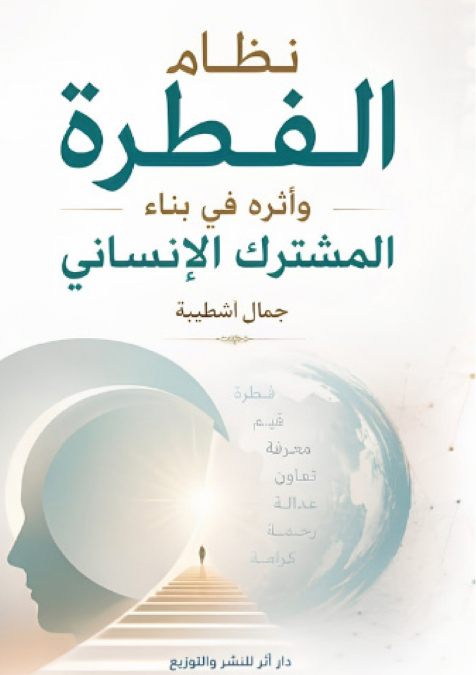
في زحام هذا العالم المتسارع، حين تتصادم الحضارات وتتوارى الإجابات القاطعة خلف ضجيج الصراعات، يتردد في أعماق الكائن البشري سؤال أزلي خافت: ما الذي يجمعنا حقاً حين تتجرد الذات من القشور والحدود؟ هل نحن مجرد شظايا تائهة في مجرة صامتة، أم أن في صميم تكويننا شفرة سرية نُسجت ببراعة لتصل الأرض بالسماء، وتصل الإنسان بأخيه الإنسان؟هذا الكتاب ليس مجرد دراسة فكرية هادئة، بل هو رحلة استكشافية عميقة تُنقّب في أغوار الكينونة الإنسانية، وتستجلي نظام الفطرة بوصفه البوصلة التكعيبية الخفية التي أُودعت في البنية الجسدية والروحية والأخلاقية للبشرية. بأسلوب يجمع بين عذوبة الطرح الأدبي وصرامة المنهج الفكري، يتتبع المؤلف خطوط هذا النظام البديع؛ ليعيد اكتشاف التوازن المفقود بين المادة والروح، وبين العقل والقلب.عبر صفحات تأخذ القارئ في حوار خفي بين نصوص الوحي المعصوم وإشراقات الفكر الفلسفي، وبين صدى العلوم الإنسانية المعاصرة وشواهد الأنثروبولوجيا والبيولوجيا، يُماط اللثام عن المشترك الإنساني الأسمى. إنه نص يُحفّز الفضول التدريجي ليطرح تساؤلات جوهرية: كيف يمكن للفطرة أن تكون جسراً عابراً للثقافات في زمن الاستقطاب؟ وكيف تُنسج الأخلاق لتكون هويتنا الحقيقية لا مجرد قشور جمالية؟كتاب يلمس الوجدان، يوقظ التفكير، ويأخذك إلى المساحة التفاعلية التي التقت فيها الفطرة الإنسانية مع أنوار الحقيقة، ليقدم رؤية استشرافية تلهم كل باحث عن المعنى والانسجام في عالم يبحث عن ذاته
Artículos relacionados

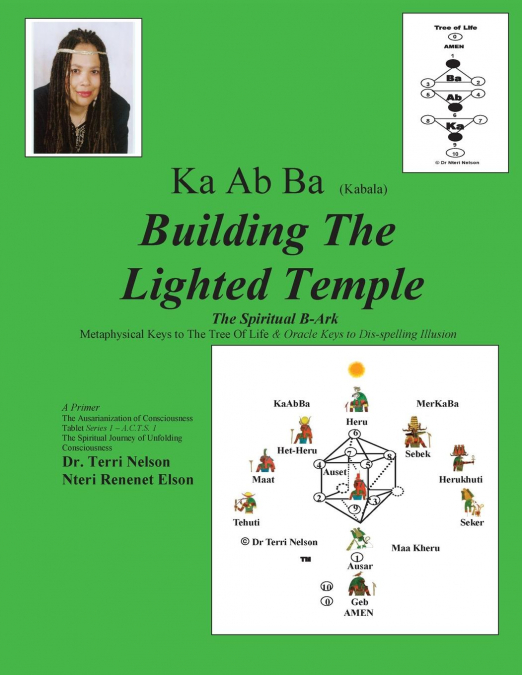
  • Ka Ab Ba Building The Lighted Temple
    Dr Terri R. Nelson / Dr Terri RNelson
    The book KaAbBa Building The Lighted Temple/Metaphysical Keys to the Tree of Life draws a circle that is inclusive of the Afrikan origin of the Ancient Kemetic/Egyptian wisdom. It reveals the undeniable root and link of Ancient Africa to all the religious systems that would develop worldwide. This book is explosive in its power to convey the meaning of KaAbBa, the Medu Neter  (...
    Disponible

    37,41 €

  • Technoethics and the Evolving Knowledge Society
    Rocci Luppicini
    Recently, there has been a major push to rediscover the ethical dimension of technology across the sciences, social sciences, and humanities. Technoethics and the Evolving Knowledge Society: Ethical Issues in Technological Design, Research, Development, and Innovation examines human processes and practices connected to technology embedded within social, political, and moral sph...
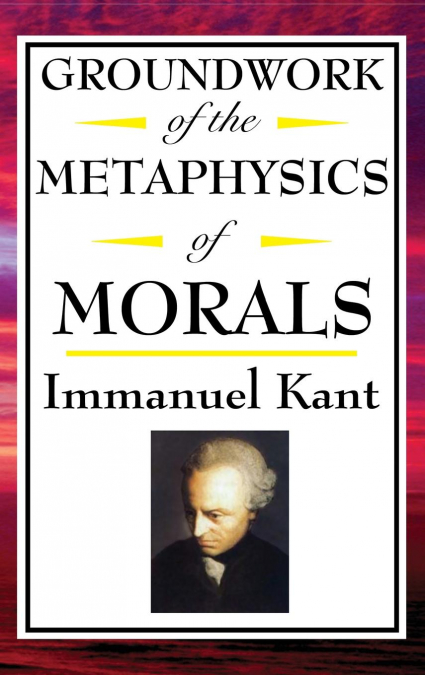
  • Kant
    Immanuel Kant
    Kant’s Groundwork of the Metaphysics of Morals is one of the most important works in modern moral philosophy. It belongs beside Plato, Aristotle, Machiavelli, and Hobbes. Here Kant sets out to articulate and defend the Categorical Imperative - the fundamental principle that underlies moral reasoning - and to lay the foundation for a comprehensive account of justice and human vi...
  • On the Duty of Civil Disobedience
    HENRY DAVID THOREAU
    Civil Disobedience argues that citizens should not permit their governments to overrule their consciences, and that they have a duty to avoid allowing their acquiescence to enable the government to make them the agents of injustice. Thoreau was motivated in part by his disgust with slavery and the Mexican-American War, but the sentiments he expresses here are just as pertinent ...
  • Beyond Good and Evil
    Friedrich Nietzsche
    Nietzsche, though primarily a philosopher, wrote widely on art, philology, history, religion, tragedy, culture, and science.  In 1886, at the height of his powers, he published Beyond Good and Evil.  Here he examines much of the best of human thought--dogmatic philosophy, Judeo-Christian morality, science and democracy – and finds it lacking.  Rejecting “slave-morality” he pres...
  • Beyond Good and Evil
    Friedrich Nietzsche
    Nietzsche, though primarily a philosopher, wrote widely on art, philology, history, religion, tragedy, culture, and science.  In 1886, at the height of his powers, he published Beyond Good and Evil.  Here he examines much of the best of human thought--dogmatic philosophy, Judeo-Christian morality, science and democracy – and finds it lacking.  Rejecting “slave-morality” he pres...
    Disponible

    9,99 €