 Librería Samer Atenea
 Kálamo Books
 Librería Elías (Asturias)
 Librería Kolima (Madrid)
 Librería Proteo (Málaga)
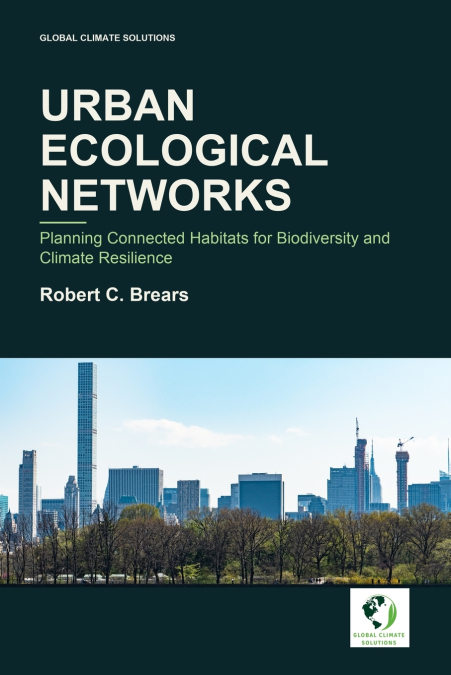
A city can add green space while roads, fences, and development continue to interrupt the routes wildlife depends on. How can planners tell which gaps matter and where an intervention will help?Written for planners, landscape architects, ecologists, and infrastructure managers, Urban Ecological Networks shows how to combine land cover, field observations, and models to distinguish a link on a map from a route species can use. It explains how to prioritize protection or restoration when evidence is incomplete.Robert C. Brears follows those decisions into street design, waterways, parks, buildings, and development approvals. He examines how agencies and landowners can coordinate work, share responsibility for stewardship, and budget for maintenance after construction ends.Readers will learn to set measurable objectives, choose indicators for habitat condition and species movement, and revise interventions as monitoring reveals what works. The book also considers how heat exposure, refuges, and alternative routes affect a network’s ability to function as conditions change.