
Inicio > Humanidades > Filosofía > Une brève analyse du système éthique d’Emmanuel Kant
Une brève analyse du système éthique d’Emmanuel Kant

Une brève analyse du système éthique d’Emmanuel Kant

Abraham Tsehay

60,70 €
IVA incluido
Disponible
Editorial:
KS OmniScriptum Publishing
Año de edición:
2025
Materia
Filosofía
ISBN:
9786209348990
60,70 €
IVA incluido
Disponible

Selecciona una librería:

  • Librería Samer Atenea
  • Librería Aciertas (Toledo)
  • Kálamo Books
  • Librería Perelló (Valencia)
  • Librería Elías (Asturias)
  • Donde los libros
  • Librería Kolima (Madrid)
  • Librería Proteo (Málaga)

Emmanuel Kant a montré que la moralité repose sur un principe universel suprême unique qui s’impose à tous les êtres rationnels. Plus précisément, Kant voulait établir le premier principe de la moralité qui néglige toute considération d’intérêt personnel et de problèmes humains particuliers. Il a exposé cette position dans son ouvrage Fondements de la métaphysique des mœurs. Dans ce livre, je me concentre donc principalement sur les doctrines des Fondements de la métaphysique des mœurs. Dans Fondements de la métaphysique des mœurs, Kant affirme que son intention est de rechercher et d’établir le principe suprême de la morale, et que ce principe suprême est l’impératif catégorique. Il s’agit, pour lui, du seul principe suprême pour tous les domaines de la morale. Il tente de justifier cela à la fin des Fondements de la métaphysique des mœurs. Cependant, la manière dont il tente de justifier l’impératif catégorique est problématique. Dans cet ouvrage, je montrerai clairement que Kant n’a pas donné de fondement solide à l’impératif catégorique ou à la moralité. Cet ouvrage est donc particulièrement utile pour toute personne intéressée par l’étude de l’éthique de Kant et souhaitant comprendre les limites de sa conception de la moralité dans les Fondements de la métaphysique des mœurs.

Artículos relacionados

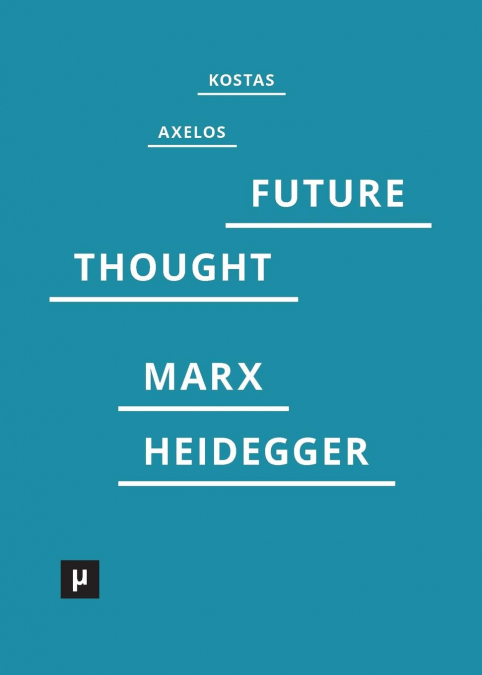
  • Introduction to a Future Way of Thought
    Kostas Axelos / Kenneth Mills
    'Technologists only change the world in various ways in generalized indifference; the point is to think the world and interpret the changes in its unfathomability, to perceive and experience the difference binding being to the nothing.'Anticipating the age of planetary technology Kostas Axelos, a Greek-French philosopher, approaches the technological question in this book, firs...
    Disponible

    18,58 €

  • Capsule
    John Kenneth Press
    Join John and Adam as they wander the mean streets of Japan on a psychedelic fueled search for identity. While fun for the average reader, this book could also serve as a philosphy textbook because of its ordered exploration of sources of identity. Ultimately this trip through nationalist attacks, sex, and drugs, will take you to a better understanding of yourself and your pl...
    Disponible

    11,51 €

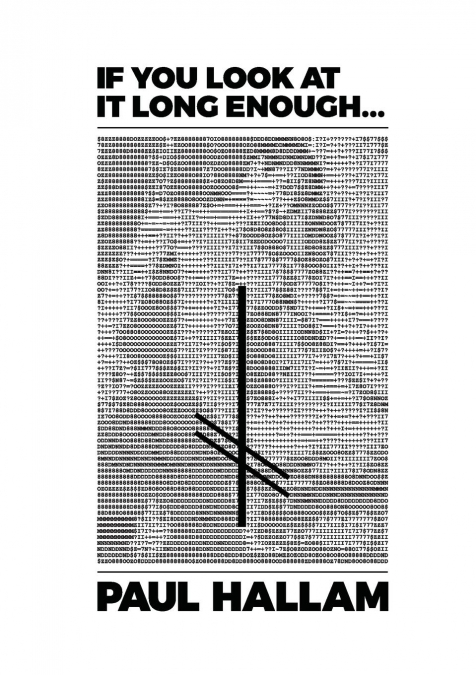
  • If you look at it long enough...
    Paul Hallam
    Originally written for an academic journal, If you look at it long enough... is primarily a personal account of Paul Hallam’s recollections of “self-abuse” through the consumption of porn over several decades. Challenging the familiar form of an “academic essay,” this autobiographical narrative raises several questions in relation to our contemporary morals related to sex in ge...
    Disponible

    11,30 €

  • The Teachers of Gurdjieff
    Rafael Lafort / Rafael Lefort
    When The Teachers of Gurdjieff was first published more than 50 years ago, it made a considerable stir. George Ivanovich Gurdjieff had been one of the most famous mystics in the West in the first half of the 20th century - a teaching master who had many fashionable and influential pupils. He had a striking appearance and manner of teaching, and his teaching proved to be very in...
    Disponible

    20,45 €

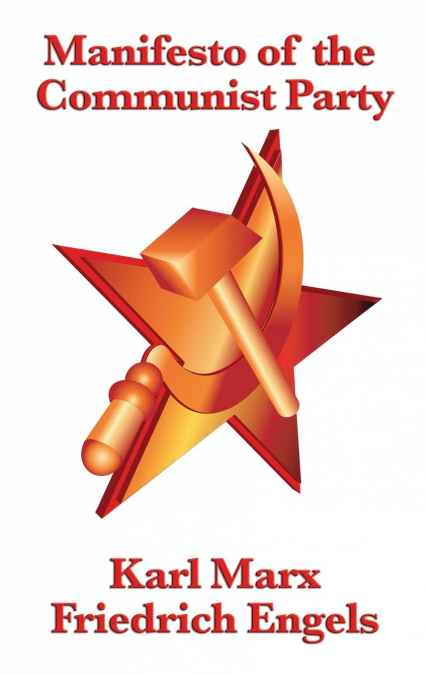
  • Manifesto of the Communist Party
    Karl Marx
    The Communist Manifesto was first published on February 21, and it is one of the world’s most influential political tracts. Commissioned by the Communist League and written by communist theorists Karl Marx and Friedrich Engels, it laid out the League’s purposes and program. The Manifesto suggested a course of action for a proletarian (working class) revolution to overthrow the ...
  • The Art of Literature
    Arthur Schopenhauer
    Collected here are eight short essays, On Authorship, On Style, On the Study of Latin, On Men of Learning, On Thinking for Ones Self, On Criticism, On Reputation, On Genius, by the world renowned philosopher Arthur Achopenhauer. ...

Otros libros del autor

  • Krótka analiza systemu etycznego Immanuela Kanta
    Abraham Tsehay
    Immanuel Kant wykazał, że moralność opiera się na jednej nadrzędnej uniwersalnej zasadzie, która obowiązuje wszystkie istoty rozumne. Kant chciał ustanowić pierwszą zasadę moralności, która pomija wszelkie względy własnego interesu i konkretnych problemów ludzkich. Stanowisko to przedstawił w swoim dziele „Podstawy metafizyki moralności'. W niniejszej książce skupiam się więc g...
    Disponible

    60,70 €

  • Eine kurze Analyse von Immanuel Kants ethischem System
    Abraham Tsehay
    Immanuel Kant zeigte, dass Moral auf einem einzigen höchsten universellen Prinzip basiert, das für alle vernünftigen Wesen verbindlich ist. Genauer gesagt wollte Kant das erste Prinzip der Moral etablieren, das alle Überlegungen zum Eigeninteresse und zu besonderen menschlichen Problemen außer Acht lässt. Diese Position legte er in seinem Werk Grundlegung zur Metaphysik der Sit...
    Disponible

    60,77 €

  • Una breve analisi del sistema etico di Immanuel Kant
    Abraham Tsehay
    Immanuel Kant ha dimostrato che la moralità si basa su un unico principio universale supremo che è vincolante per tutti gli esseri razionali. Più precisamente, Kant voleva stabilire il primo principio della moralità che trascura ogni considerazione di interesse personale e di problemi umani particolari. Ha espresso questa posizione nella sua opera Fondamenti della metafisica de...
    Disponible

    60,64 €

  • Uma breve análise do sistema ético de Immanuel Kant
    Abraham Tsehay
    Immanuel Kant mostrou que a moralidade se baseia num único princípio universal supremo que é vinculativo para todos os seres racionais. Mais precisamente, Kant queria estabelecer o primeiro princípio da moralidade que negligencia todas as considerações de interesse próprio e problemas humanos específicos. Ele colocou essa posição na sua obra Fundamentos da Metafísica da Moral. ...
    Disponible

    60,64 €