Librería Samer Atenea
 Kálamo Books
 Librería Elías (Asturias)
 Librería Kolima (Madrid)
 Librería Proteo (Málaga)
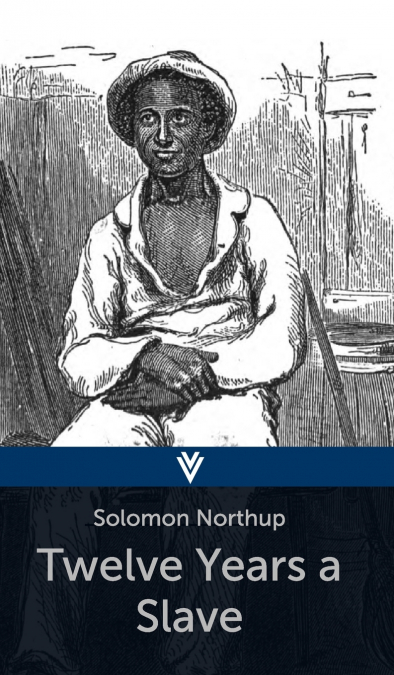
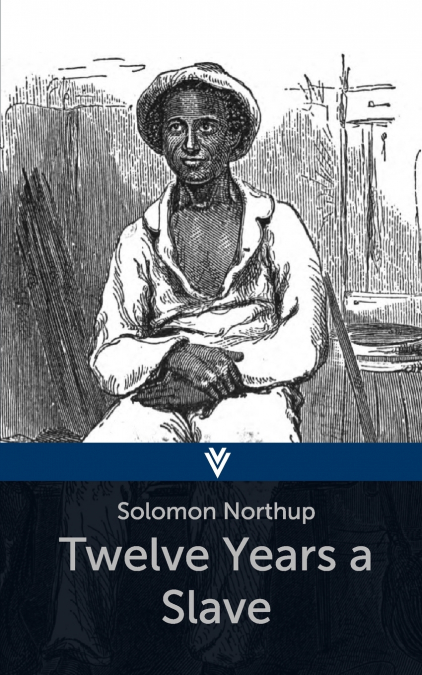
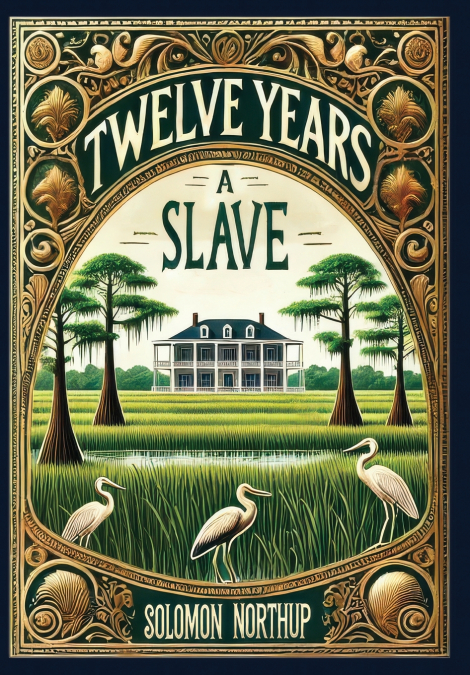
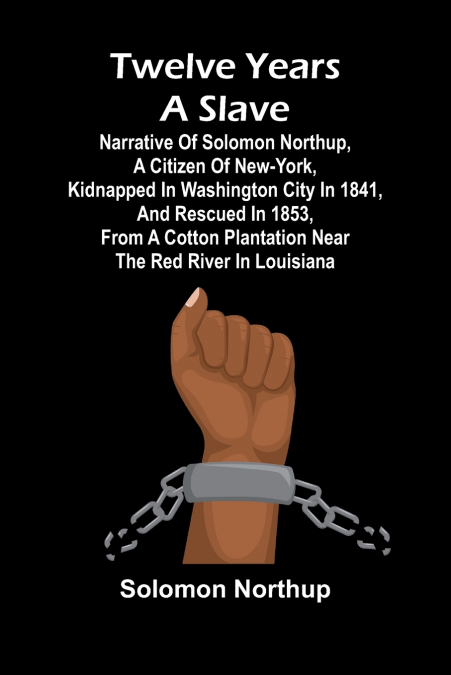
Solomon Northup was a free Black man, husband, father, carpenter, and accomplished violinist living in New York when an offer of paid musical work changed his life. In 1841, after traveling to Washington, D.C., with two men who had hired him, Northup became violently ill and lost consciousness. When he awoke, his freedom papers were gone, and he was chained inside a slave pen. Given the name Platt and transported south, he entered a system designed to erase his identity and make his captivity permanent.For the next twelve years, Northup was enslaved in Louisiana. His narrative records the exhausting labor of plantation life, the violence used to enforce obedience, the constant threat of family separation, and the legal and social structures that made escape extraordinarily difficult. He describes the people around him with close attention: enslaved men and women struggling to survive under brutal conditions, enslavers who differed in temperament but shared authority over the lives of others, and individuals whose decisions shaped his chances of survival.Northup’s account is especially powerful because he writes from the perspective of someone who had lived as a free citizen before being forced into bondage. Again and again, he holds fast to the truth of his identity even when declaring it openly could bring punishment or death. His abilities as a musician and craftsman sometimes provided limited opportunities, but they could not restore the liberty that had been stolen from him.Years passed before Northup met Samuel Bass, a Canadian carpenter willing to risk helping him send letters to friends in New York. That fragile line of communication eventually set in motion the legal effort that led to Northup’s rescue in January 1853. Reunited with his family, he worked with David Wilson to prepare his account for publication later that year.Both personal testimony and historical document, Twelve Years a Slave offers an unflinching record of kidnapping, forced labor, violence, resilience, and the struggle to reclaim freedom. Northup’s detailed descriptions of slavery in the American South give the narrative enduring historical significance, while his determination to return to his family gives it immediate human force. More than a century and a half after its first publication, his testimony remains essential reading for understanding the lived reality of American slavery and the profound vulnerability of freedom in a nation where slavery remained protected by law.