 Librería Samer Atenea
 Kálamo Books
 Librería Elías (Asturias)
 Librería Kolima (Madrid)
 Librería Proteo (Málaga)
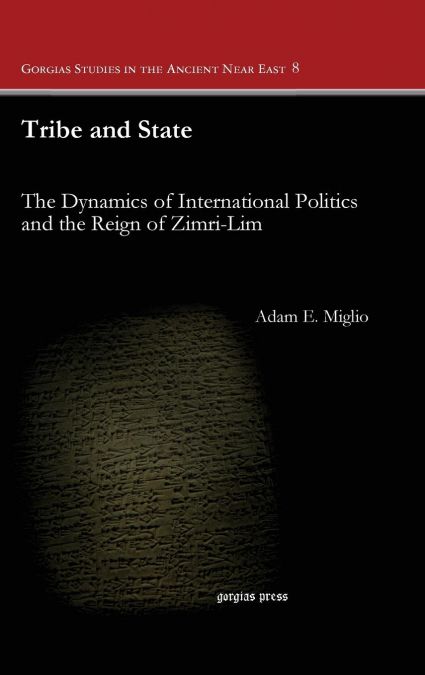
The cuneiform tablets recovered from the ancient city of Mari (Tell Hariri) richly document the socio-political world of ancient Syro-Mesopotamia. The city of Mari flourished as a political capital under the king Zimri-Lim from c. 1775-1762 until Hammu-rabi of Babylon destroyed the city, leaving thousands of cuneiform letters in the ruins.The letters from ancient Mari reveal how society constrained and catalyzed politics during the reign of Zimri-Lim, the last king of Mari. This book analyzes Zimri-Lim’s interactions with contemporary sovereigns from the Habur as well as his dealings with Yamut-bal and Numha tribal polities. It describes how Zimri-Lim’s disproportionate dependence on tribal connections left him vulnerable when tribal alliances began to fail him in his tenth regnal year. At this time, an Elamite force mounted a sustained offensive against several of the states in southern Mesopotamia and the northern regions of the Habur. The Elamite incursion into the Habur undercut the tribal alliances of Zimri-Lim, making him susceptible to the ambitious expansion of Hammu-rabi of Babylon. 3