Too Smart for Our Own Good

Too Smart for Our Own Good

Bruce I. Jacobs

45,45 €
IVA incluido
Consulta disponibilidad
Editorial:
McGraw-Hill
Año de edición:
2018
Materia
Finanzas
ISBN:
9781260440546

Selecciona una librería:

  • Librería Samer Atenea
  • Librería Aciertas (Toledo)
  • Kálamo Books
  • Librería Perelló (Valencia)
  • Librería Elías (Asturias)
  • Donde los libros
  • Librería Kolima (Madrid)
  • Librería Proteo (Málaga)

How investment strategies designed to reduce risk can increase risk for everyone-and can crash markets and economies Financial crises are often blamed on unforeseeable events, the unforgiving nature of capital markets, or just plain bad luck. Too Smart for Our Own Good argues that these crises are caused by certain alluring investment strategies that promise both high returns and safety of capital. In other words, the severe and widespread crises we have suffered in recent decades were not perfect storms. Instead, they were made by us. By understanding how and why this is so, we may be able to avoid or ameliorate future crises-and maybe even anticipate them.One of today’s leading financial thinkers, Bruce I. Jacobs, examines recent financial crises-including the 1987 stock market crash, the 1998 collapse of the hedge fund Long-Term Capital Management, the 2007-2008 credit crisis, and the European debt crisis-and reveals the common threads that explain these market disruptions. In each case, investors in search of safety were drawn to novel strategies that were intended to reduce risk but actually magnified it-and blew up markets. Too Smart for Our Own Good takes a behind-the-curtain look at:• The inseparable nature of investment risk and reward and the often counterproductive effects of some popular approaches for reducing risk• A trading strategy known as portfolio insurance and the key role it played in the 1987 stock market crash• How option-related trading disrupted markets in the decade following the 1987 crash• Why the demise of Long-Term Capital Management in 1998 wreaked havoc on US stock and bond markets• How mortgage-backed financial products, by shifting risk from one party to another, created the credit crisis of 2007-2008 and contributed to the subsequent European debt crisisThis broad, detailed investigation of financial crises is the most penetrating and objective look at the subject to date. In addition, Jacobs, an industry insider, offers invaluable insights into the nature of investment risk and reward, and how to manage risk.Risk is unavoidable-especially in investing-and financial markets connect us all. Until we accept these facts and manage risk in responsible ways, major crises will always be just around the bend. Too Smart for Our Own Good is a big step toward smarter investing-and a better financial future for everyone.
Artículos relacionados

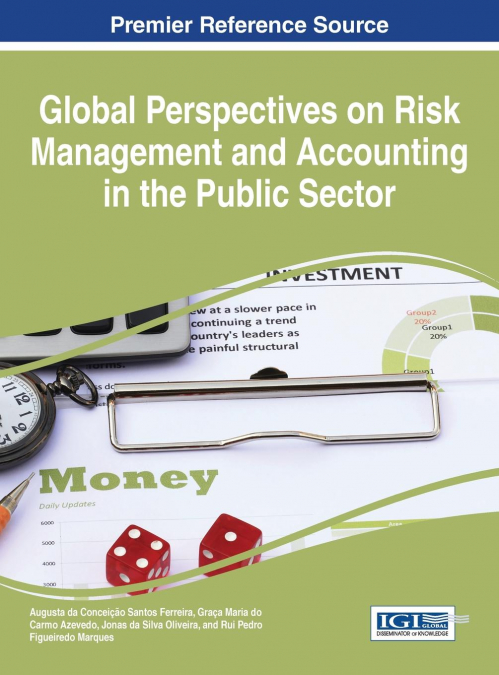
  • Global Perspectives on Risk Management and Accounting in the Public Sector
    The effects of recent economic and financial crises have reached an international scale; a number of different nations have experienced the fallout of these events, calling into question issues of accountability and reform in public management. Global Perspectives on Risk Management and Accounting in the Public Sector is a pivotal reference source for the latest research on cur...
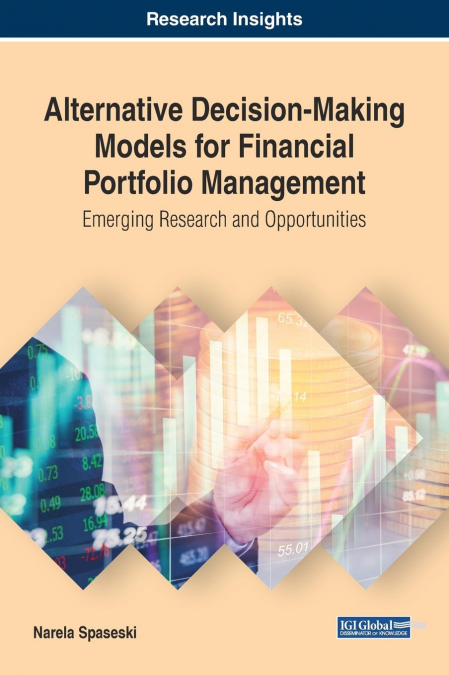
  • Alternative Decision-Making Models for Financial Portfolio Management
    Narela Spaseski
    Economics is an integral aspect to every successful society, yet basic financial practices have gone unchanged for decades. Analyzing unconventional finance methods can provide new ways to ensure personal financial futures on an individual level, as well as boosting international economies. Alternative Decision-Making Models for Financial Portfolio Management: Emerging Research...
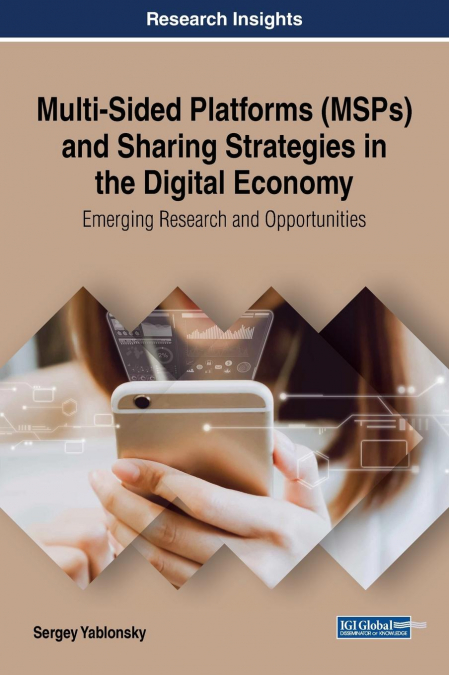
  • Multi-Sided Platforms (MSPs) and Sharing Strategies in the Digital Economy
    Sergey Yablonsky
    Rapid technological advancements have the ability to positively or negatively impact corporate growth and success. Professional leaders and decision makers must consider such advancements when designing and implementing new policies in preparation for the sustainable future of the business environment. Multi-Sided Platforms (MSPs) and Sharing Strategies in the Digital Economy: ...
  • The Complete Penny Stock Course
    Jamil Ben Alluch
    You can learn trading penny stocks from the masses and become part of the 90% of traders who lose money in the stock market, or you can learn from the Best. The Complete Penny Stock Course is based on Timothy Sykes’, various training programs. His strategies have helped individuals like Tim Grittani, Michael Goode and Stephen Dux become millionaires within a couple of years.Thi...
    Disponible

    37,63 €

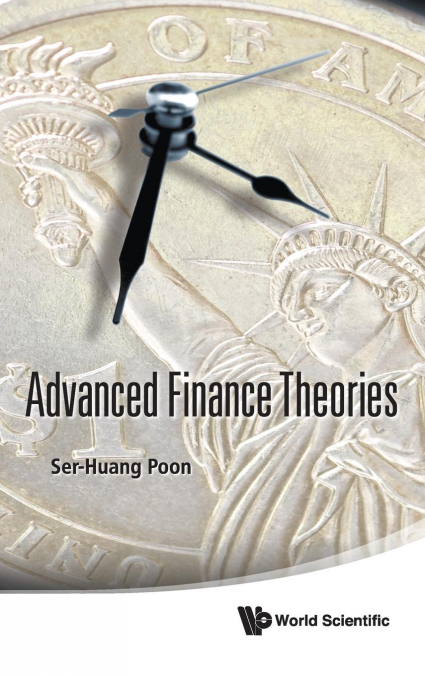
  • ADVANCED FINANCE THEORIES
    POON SER-HUANG / Ser-Huang Poon
    For PhD finance courses in business schools, there is equal emphasis placed on mathematical rigour as well as economic reasoning. Advanced Finance Theories provides modern treatments to five key areas of finance theories in Merton's collection of continuous time work, viz. portfolio selection and capital market theory, optimum consumption and intertemporal portfolio selecti...
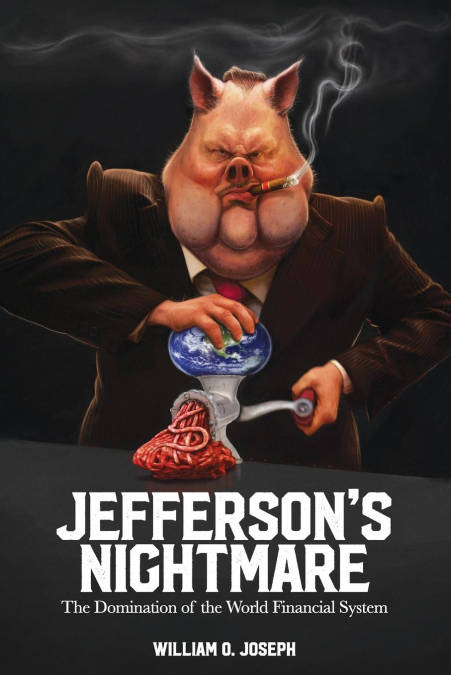
  • Jefferson's Nightmare
    William O. Joseph
    Common working people have been getting screwed by the banking industry for hundreds of years. In the United States over 21 million family members have lost their homes since 2007. Millions more have watched their careers go up in smoke. If you think there is nothing wrong with such a system then don't bother to read this book.   Two hundred years ago, Thomas Jefferson ha...
    Disponible

    12,42 €