 Librería Samer Atenea
 Kálamo Books
 Librería Elías (Asturias)
 Librería Kolima (Madrid)
 Librería Proteo (Málaga)
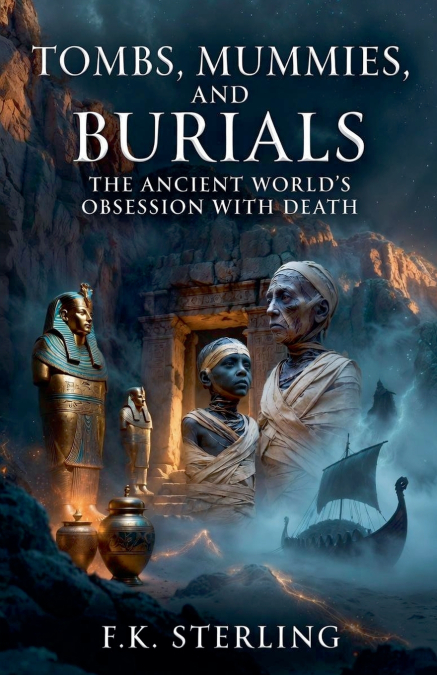
Tombs, Mummies, and Burials: The Ancient World’s Obsession with DeathFrom the first deliberate grave to the most elaborate eternal palace, the way humans have treated the dead reveals more about the living than almost any other act. Tombs, mummies, and burials are not merely the end of a life; they are carefully staged arguments against oblivion.In the earliest known burials, red ochre, tools, and flowers appear beside the body-small, stubborn claims that the person still mattered. Later cultures turned those gestures into architecture. Egyptian pyramids and rock-cut tombs were sealed machines meant to launch the soul into the afterlife, stocked with food, servants, and spells. The mummification process itself-evisceration, natron drying, linen wrapping, and protective amulets-was both practical preservation and sacred technology. A body that did not decay could still be recognized, fed, and named by the gods.Elsewhere the impulse took different forms. Chinese imperial tombs hid terracotta armies and mercury rivers. Andean communities on high peaks left freeze-dried children as offerings, their faces peaceful and their clothing still bright. In medieval Europe, charnel houses and ossuaries arranged bones into walls and chandeliers, turning mortality into architecture. Victorian mourning culture produced elaborate funeral jewelry and hairwork, keeping the dead literally close.What unites these practices is the refusal to let a person vanish. A tomb is a statement of status, a mummy a bid for continued identity, a burial a final negotiation with time. Modern archaeology reads these remains not as curiosities but as documents: diet, disease, migration, belief, and love are all preserved in bone, textile, and stone. Each grave is a letter the living once wrote to the future, still waiting to be opened.