Ernest C. Ellender / Ernest Ellender
 Librería Samer Atenea
 Kálamo Books
 Librería Elías (Asturias)
 Librería Kolima (Madrid)
 Librería Proteo (Málaga)
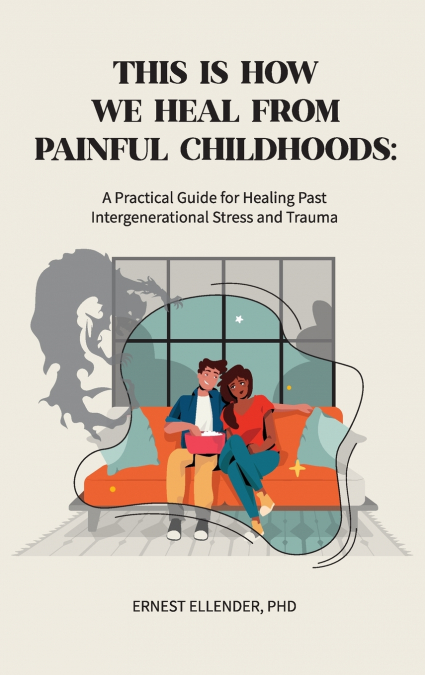
Do you suspect that some of your struggles in adulthood are tied to habits and issues lingering from your childhood? Have you struggled with getting over childhood trauma and family dysfunction? Painful experiences from childhood can include anything from a stressful family divorce all the way to emotional, verbal, physical, and sexual abuse.Chronically stressful childhoods often result in a disorder called Complex PTSD (C-PTSD), making it extremely difficult to maintain healthy and happy relationships with yourself and others. Even if you did not develop C-PTSD yourself, you have likely felt other harmful effects of intergenerational trauma. Through this phenomenon, human struggles are inherited literally as genetic issues or passed along through skills deficits, dysfunctional relationships, and life circumstances such as poverty or lack of education. And when these ancestral issues go unaddressed, we hand them down to the next generation.If your childhood included prolonged periods of chronic stress, family traumas, or dysfunctional family dynamics, then your young brain likely created deeply ingrained physical and mental habits that it believed would help you survive. Unfortunately, though many of these habits and core beliefs were intended for survival, they actually work against your life and relationship goals as an adult. These unfortunate responses to childhood stress and trauma can include:Unhealthy relationship with yourself (self-loathing, toxic shame, perfectionism)Unhealthy personal habits Unstable work life (multiple job losses, conflict)Chaotic, combative, or toxic relationships (breaking down instead of building up)Dysfunctional family dynamicsPersonal or family substance abuseSurvival-based thinking (defensive, distrusting)Chronic anxiety (symptoms of fight-flight-freeze-fawn responses)Depression, panic, bipolar, ADHD, dissociation, and other mental health disordersThese (and many more) are all perfectly normal reactions to a painful childhood, and they do not automatically go away when you grow up! Healing from family trauma is challenging, but it can be done. Instead of hoping these issues will magically fix themselves (hint: they won’t), you can utilize self-education and skills building to heal past your childhood and thrive in your adulthood.This book presents 20 specific concepts that each must be addressed to comprehensively heal from, and thrive past, your stressful childhood. While many books about family trauma (and books about childhood trauma) focus on two to three of these issues in depth, they typically leave out entire concepts critical to beast-mode thriving! The book’s first 11 rules (chapters) focus primarily on you as an individual, and the remaining 9 on your interpersonal functioning. Each chapter explains key concepts before offering realistic drills you will use to redirect your mental and physical habits toward thriving instead of surviving. Here are just a few of the 20 rules:Trauma lies are just that...LIESWe must slow down to speed upRemove shame, learn from guiltPractice treating yourself in a self-loving and self-respecting fashionWe are responsible for the decisions that we are aware ofIt’s us against trauma worldBoundaries are confusing, so keep practicing better boundariesAddictions = Intimacy disordersWill versus skill...both are necessaryThis encouraging and reality-based guide to healing from childhood and family trauma was authored by Ernest Ellender, PhD, presenting the insights of his 20-year career in psychology working directly with survivors of various types of childhood and intergenerational trauma.