 Librería Samer Atenea
 Kálamo Books
 Librería Elías (Asturias)
 Librería Kolima (Madrid)
 Librería Proteo (Málaga)
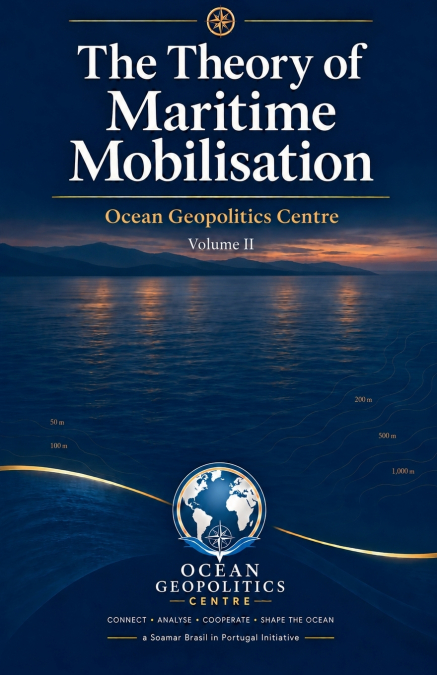
A country may have a large merchant fleet, modern ports and a skilled workforce and still struggle to keep essential goods moving when a crisis hits. In The Theory of Maritime Mobilisation: From National Preparedness to Readiness at Sea, Artur Victoria examines how geography, industrial capacity, public authority and international cooperation shape what states can actually deliver and sustain at sea.Volume I lays the foundations of the theory. It explores how trade routes, infrastructure and international commitments shape national maritime interests, and how governments translate those interests into priorities. It then examines the forces, civilian services, institutions and skilled personnel on which maritime preparedness depends.Volume II follows those arrangements into crisis. It distinguishes political authorisation from activation and verified readiness, and examines what happens when civilian services and defence commitments compete for the same ports, suppliers and workers. Case studies of Russia, Finland, Sweden, Norway, the United States and China show how different geographical and institutional conditions shape national choices. The volume concludes with a framework for national planning that extends from preparation to demobilisation and civilian recovery.Written for scholars, students and practitioners of maritime geopolitics, strategic studies and maritime policy, the book asks what makes a national commitment credible. Its answer rests on what institutions can deliver together, how long they can sustain it and whether the people and organisations that depend on it can resume ordinary activity afterwards.