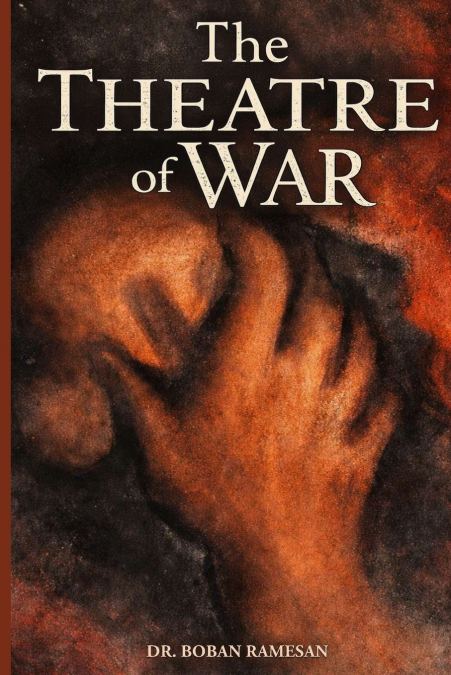

The Theatre of War

The Theatre of War

Boban Ramesan

14,53 €
IVA incluido
Disponible
Editorial:
Kangaroo Book Publisher
Año de edición:
2026
Materia
Ética y filosofía moral
ISBN:
9781923679153
14,53 €
IVA incluido
Disponible

Selecciona una librería:

  • Librería Samer Atenea

  • Kálamo Books
  • Librería Elías (Asturias)
  • Librería Kolima (Madrid)
  • Librería Proteo (Málaga)

What if the greatest war is not fought on a battlefield, but within the human psyche? In The Theatre of War, Dr. Boban Ramesan invites us into a profound and lyrical meditation on the eternal conflict between our primal nature and the thin veneer of civilization. The book unfolds as a surreal, one-sided conversation between a modern man and a silent, stony god-a monologue that becomes a journey into the depths of the human soul.The central metaphor is the 'caveman,' a living presence within us all. He is not a distant ancestor, but a dormant force: the source of our violence, our deepest fears, and our earliest sparks of art and philosophy. As the narrator wrestles with this internal figure, the book traces humanity’s path from the bloodied cave to the modern city, finding that our technological advancements have not quelled the ancient rage, but merely given it new, more devastating weapons.Ramesan masterfully blurs the lines between poetry and prose, reality and dream, creating a narrative that is both timeless and urgently contemporary. He examines our most cherished concepts-freedom, memory, art, and faith-through this primal lens, revealing their complexities and contradictions. Why does man crave freedom only to create new forms of bondage? Is memory a sacred repository of truth or a self-edited fiction for survival? Is the art of war a grotesque corruption of the human spirit or its most honest reflection?Spanning evocative settings from the silence of a hospital ward to the vibrant chaos of a traveler’s journey, The Theatre of War is not merely a book about conflict; it is a work of existential philosophy. It challenges the reader to confront the demon within, to question the narratives we build to comfort ourselves, and to ask whether the pursuit of peace is humanity’s noblest ideal or its most beautiful, unattainable lie.
Artículos relacionados

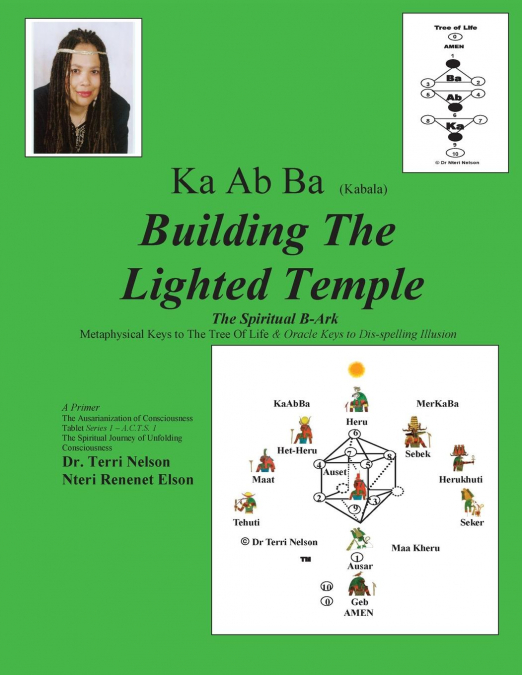
  • Ka Ab Ba Building The Lighted Temple
    Dr Terri R. Nelson / Dr Terri RNelson
    The book KaAbBa Building The Lighted Temple/Metaphysical Keys to the Tree of Life draws a circle that is inclusive of the Afrikan origin of the Ancient Kemetic/Egyptian wisdom. It reveals the undeniable root and link of Ancient Africa to all the religious systems that would develop worldwide. This book is explosive in its power to convey the meaning of KaAbBa, the Medu Neter  (...
    Disponible

    37,41 €

  • Technoethics and the Evolving Knowledge Society
    Rocci Luppicini
    Recently, there has been a major push to rediscover the ethical dimension of technology across the sciences, social sciences, and humanities. Technoethics and the Evolving Knowledge Society: Ethical Issues in Technological Design, Research, Development, and Innovation examines human processes and practices connected to technology embedded within social, political, and moral sph...
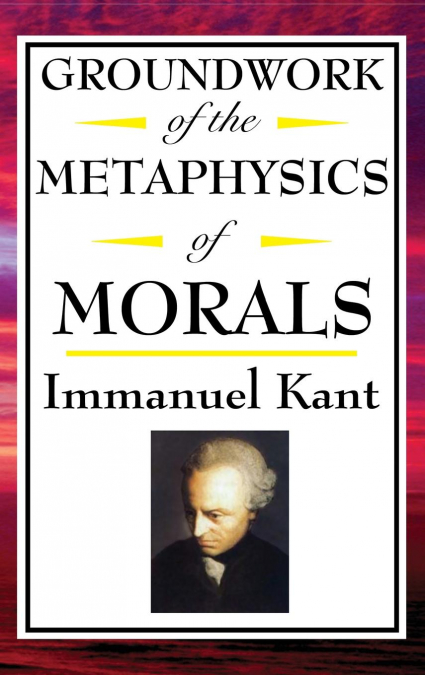
  • Kant
    Immanuel Kant
    Kant’s Groundwork of the Metaphysics of Morals is one of the most important works in modern moral philosophy. It belongs beside Plato, Aristotle, Machiavelli, and Hobbes. Here Kant sets out to articulate and defend the Categorical Imperative - the fundamental principle that underlies moral reasoning - and to lay the foundation for a comprehensive account of justice and human vi...
  • On the Duty of Civil Disobedience
    HENRY DAVID THOREAU
    Civil Disobedience argues that citizens should not permit their governments to overrule their consciences, and that they have a duty to avoid allowing their acquiescence to enable the government to make them the agents of injustice. Thoreau was motivated in part by his disgust with slavery and the Mexican-American War, but the sentiments he expresses here are just as pertinent ...
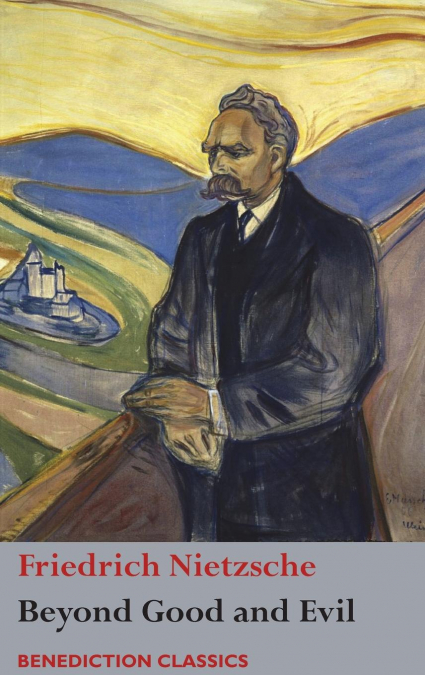
  • Beyond Good and Evil
    Friedrich Nietzsche
    Nietzsche, though primarily a philosopher, wrote widely on art, philology, history, religion, tragedy, culture, and science.  In 1886, at the height of his powers, he published Beyond Good and Evil.  Here he examines much of the best of human thought--dogmatic philosophy, Judeo-Christian morality, science and democracy – and finds it lacking.  Rejecting “slave-morality” he pres...
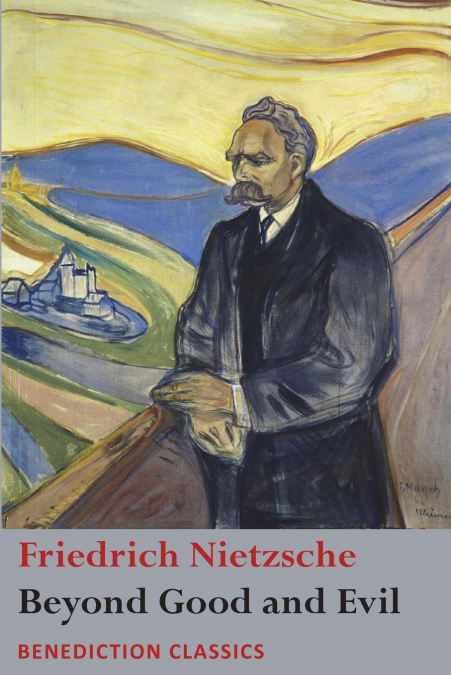
  • Beyond Good and Evil
    Friedrich Nietzsche
    Nietzsche, though primarily a philosopher, wrote widely on art, philology, history, religion, tragedy, culture, and science.  In 1886, at the height of his powers, he published Beyond Good and Evil.  Here he examines much of the best of human thought--dogmatic philosophy, Judeo-Christian morality, science and democracy – and finds it lacking.  Rejecting “slave-morality” he pres...
    Disponible

    9,99 €