
Inicio > Derecho > Teoría general del derecho > Historia del derecho > The Supreme Court and Religion in American Life, Vol. 2
The Supreme Court and Religion in American Life, Vol. 2

The Supreme Court and Religion in American Life, Vol. 2

James Hitchcock

97,57 €
IVA incluido
Consulta disponibilidad
Editorial:
Princeton University Press
Año de edición:
2004
Materia
Historia del derecho
ISBN:
9780691119236

Selecciona una librería:

  • Librería Samer Atenea
  • Librería Aciertas (Toledo)
  • Kálamo Books
  • Librería Perelló (Valencia)
  • Librería Elías (Asturias)
  • Donde los libros
  • Librería Kolima (Madrid)
  • Librería Proteo (Málaga)

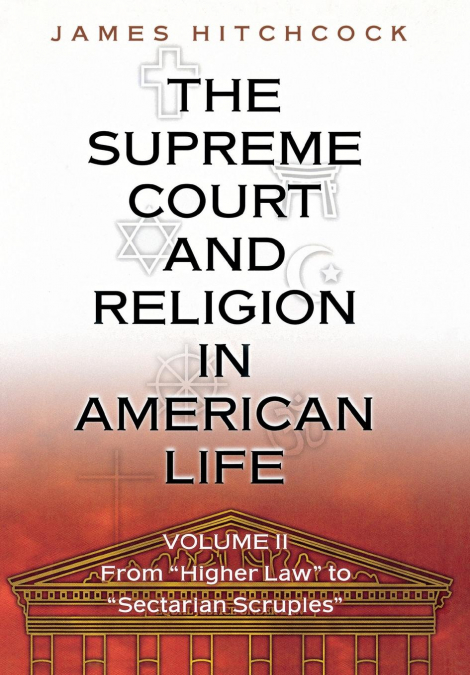
School vouchers. The Pledge of Allegiance. The ban on government grants for theology students. The abundance of church and state issues brought before the Supreme Court in recent years underscores an incontrovertible truth in the American legal system: the relationship between the state and religion in this country is still fluid and changing. This, the second of two volumes by historian and legal scholar James Hitchcock, offers a complete analysis and interpretation of the Court’s historical understanding of religion, explaining the revolutionary change that occurred in the 1940s. In Volume I: The Odyssey of the Religion Clauses (Princeton), Hitchcock provides the first comprehensive survey of the court cases involving the Religion Clauses, including a number that scholars have ignored. Here, Hitchcock examines how, in the early history of our country, a strict separation of church and state was sustained through the opinions of Jefferson and Madison, even though their views were those of the minority. Despite the Founding Fathers’ ideas, the American polity evolved on the assumption that religion was necessary to a healthy society, and cooperation between religion and government was assumed. This view was seldom questioned until the 1940s, notes Hitchcock. Then, with the beginning of the New Deal and the appointment of justices who believed they had the freedom to apply the Constitution in new ways, the judicial climate changed. Hitchcock reveals the personal histories of these justices and describes how the nucleus of the Court after World War II was composed of men who were alienated from their own faiths and who looked at religious belief as irrational, divisive, and potentially dangerous, assumptions that became enshrined in the modern jurisprudence of the Religion Clauses. He goes on to offer a fascinating look at how the modern Court continues to grapple with the question of whether traditional religious liberty is to be upheld.
Artículos relacionados

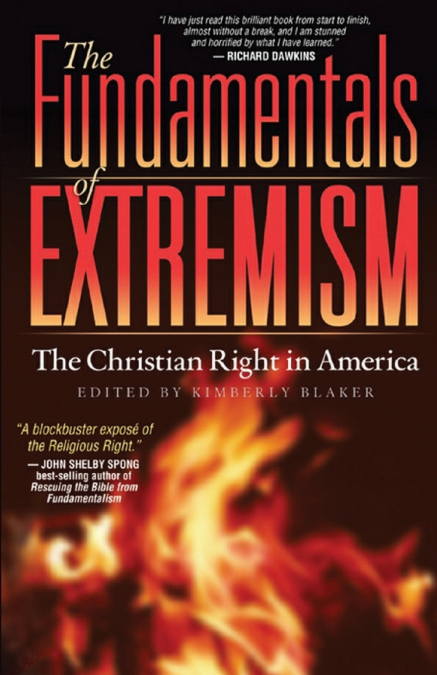
  • The Fundamentals of Extremism
    Ed Buckner / Herb Silverman
    On September 11, 2001, Americans witnessed horrific carnage inspired by religious extremism. We saw religious fundamentalists will stop at nothing to reign terror on those they regard as their enemies.  In our response, we began to focus on the oppressive treatment of women and children in other parts of the world where religious fundamentalism rules. But we failed to acknowled...
    Disponible

    11,68 €

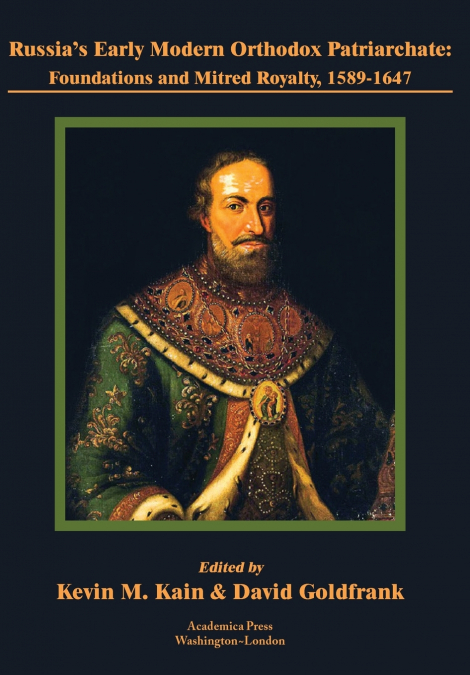
  • Russia’s early modern orthodox patriarchate
    David Goldfrank / Kevin M Kain
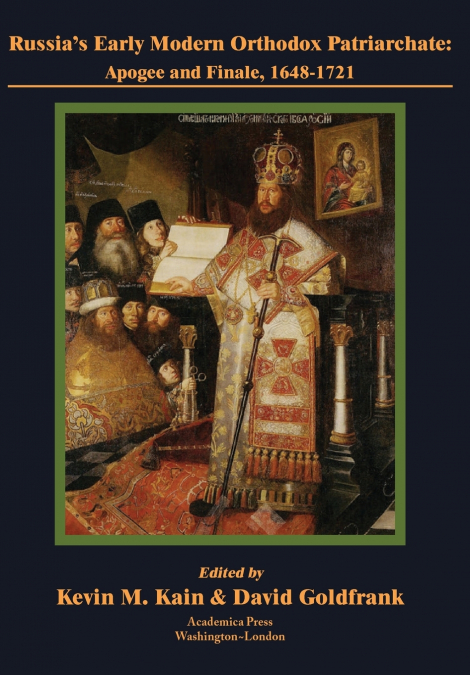
    Focusing on one of Russia’s most powerful and wide-reaching institutions in a period of shattering dynastic crisis and immense territorial and administrative expansion, this book addresses manifestations of religious thought, practice, and artifacts revealing the permeability of political boundaries and fluid transfers of ideas, texts, people, objects, and 'sacred spaces' with ...
  • Russia’s early modern orthodox patriarchate
    David Goldfrank / Kevin M Kain
    Patriarch Nikon, the most energetic, creative, influential, and obstinate of Russia’s early religious leaders, dominates this book. As Patriarch of the Russian Orthodox Church, Nikon’s most important initiative was to bring Russian religious rituals into line with Greek Orthodox tradition, from which Russia’s practices had diverted. Kiev’s Monastery of the Caves served as a med...
  • Peter’s Burn
    K.C. McCraw
    The story takes place in an imaginary city, Malfaxe, located near the east coast of Maryland. Although it concerns several dynamic personalities, it revolves mainly around Emmitt Braedeikk, an egotistical bank manager and bachelor who is persuaded to run for mayor.Comparatively speaking, the idea of Emmitt being a banker is of trivial importance. Both bizarre and sometimes humo...
    Disponible

    16,10 €

  • Exporting Global Jihad
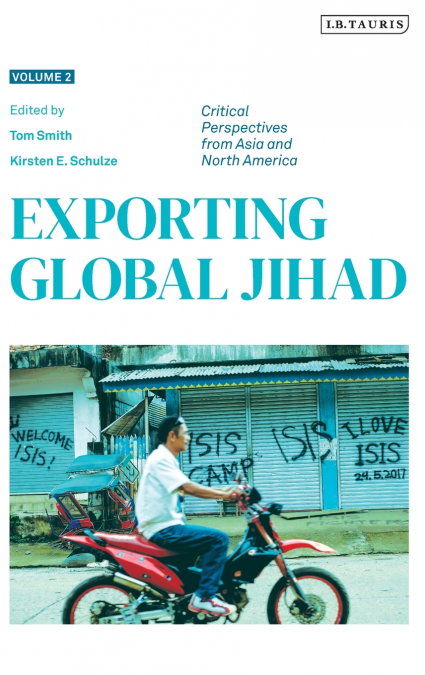
    This timely 2 volume edited collection looks at the extent and nature of global jihad, focusing on the often-exoticised hinterlands of jihad beyond the traditionally viewed Middle Eastern ’centre’. As ISIS loses its footing in Syria and Iraq and al-Qaeda regroups, this comprehensive account will be a key work in the on-going battle to better understand the dynamics of jihad’s g...
  • Religion and Broken Solidarities
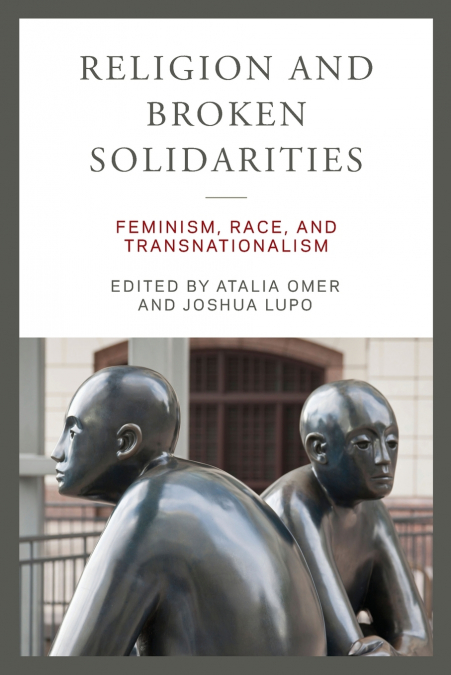
    The contributors to this original volume provide a new and nuanced approach to studying how discourses of religion shape public domains in sites of political contestation and 'broken solidarities.'Our public discourse is saturated with intractable debates about religion, race, gender, and nationalism. Examples range from Muslim women and headscarves to Palestine/Israel and to g...
    Disponible

    50,23 €

Otros libros del autor

  • Abortion, Religious Freedom, and Catholic Politics
    James Hitchcock
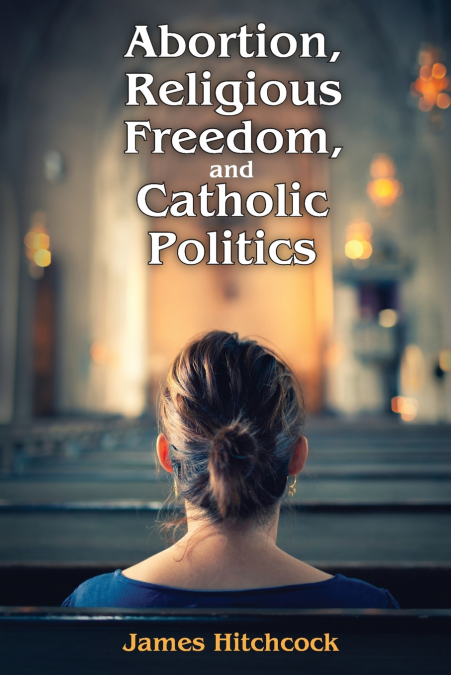
    Throughout its history the Catholic Church has taken positions on many subjects that are in one sense political, but in another sense are primarily moral, such as contraception, homosexuality, and divorce ...
  • Abortion, Religious Freedom, and Catholic Politics
    James Hitchcock
    Throughout its history the Catholic Church has taken positions on many subjects that are in one sense political, but in another sense are primarily moral, such as contraception, homosexuality, and divorce. ...
    Disponible

    89,60 €

  • The Supreme Court and Religion in American Life, Vol. 1
    James Hitchcock
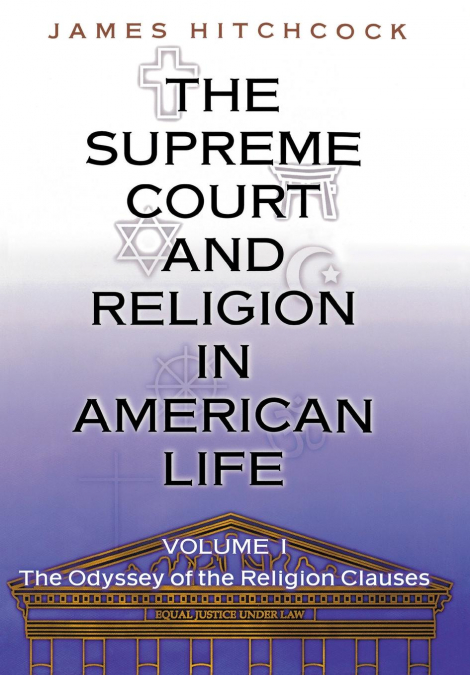
    School vouchers. The Pledge of Allegiance. The ban on government grants for theology students. The abundance of church and state issues brought before the Supreme Court in recent years underscores an incontrovertible truth in the American legal system: the relationship between the state and religion in this country is still fluid and changing. This, the first of two volumes by ...